One of the questions I get asked most often at Urban Nature Store is, “Paul, what should I feed my birds?” And honestly, the answer is simple: whatever you enjoy watching them eat! But over the years, I’ve developed a few favorites that not only keep the birds coming back, but also make my life a little easier—and, let’s be honest, they’re fun to watch.
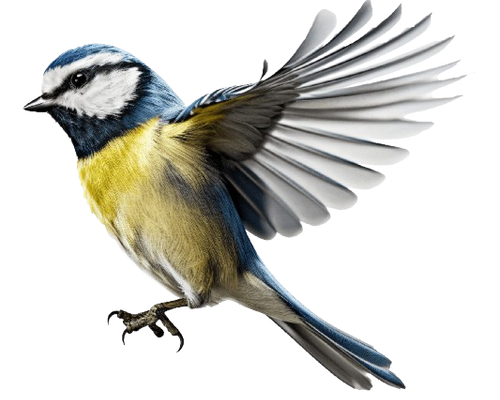
Let’s start with a classic: sunflower hearts. Why? Because they’re no-mess, no-waste, and basically bird candy. The birds adore them, and I adore that I don’t end up sweeping black shells off the patio every morning. You put them in a tube feeder or a hopper feeder, and suddenly you’ve got a gathering of chickadees, nuthatches, finches, and even the occasional cardinal enjoying a feast that looks like a buffet just for them. And me? I get to sip my coffee and watch the show.
 Next up: mealworms. Ah yes, these little protein nuggets that have the birds lining up like they’re at a five-star restaurant. Bluebirds, robins, and even chickadees can’t get enough of them.
Now, let’s talk suet—specifically, the Canadian-made Mill Creek suet we carry at the store. I swear, sometimes it smells and looks so good that I catch myself thinking, “Hmm… maybe just a tiny bite for me?” (I don’t, of course. That would be weird.) But the birds absolutely love it. In winter, it’s a high-energy treat that keeps them warm and active, and in early spring, it’s a welcome snack as they scout for nesting sites. I especially enjoy watching woodpeckers and nuthatches tackle a suet cake.
What I like about these foods is that they aren’t just tasty—they’re practical. Sunflower hearts are easy to clean up, mealworms for a treat, and suet provides long-lasting energy during harsh weather. And let’s be honest: anything that keeps my backyard birds happy and coming back is a win in my book. Plus, it gives me a daily dose of entertainment that no TV show can match.
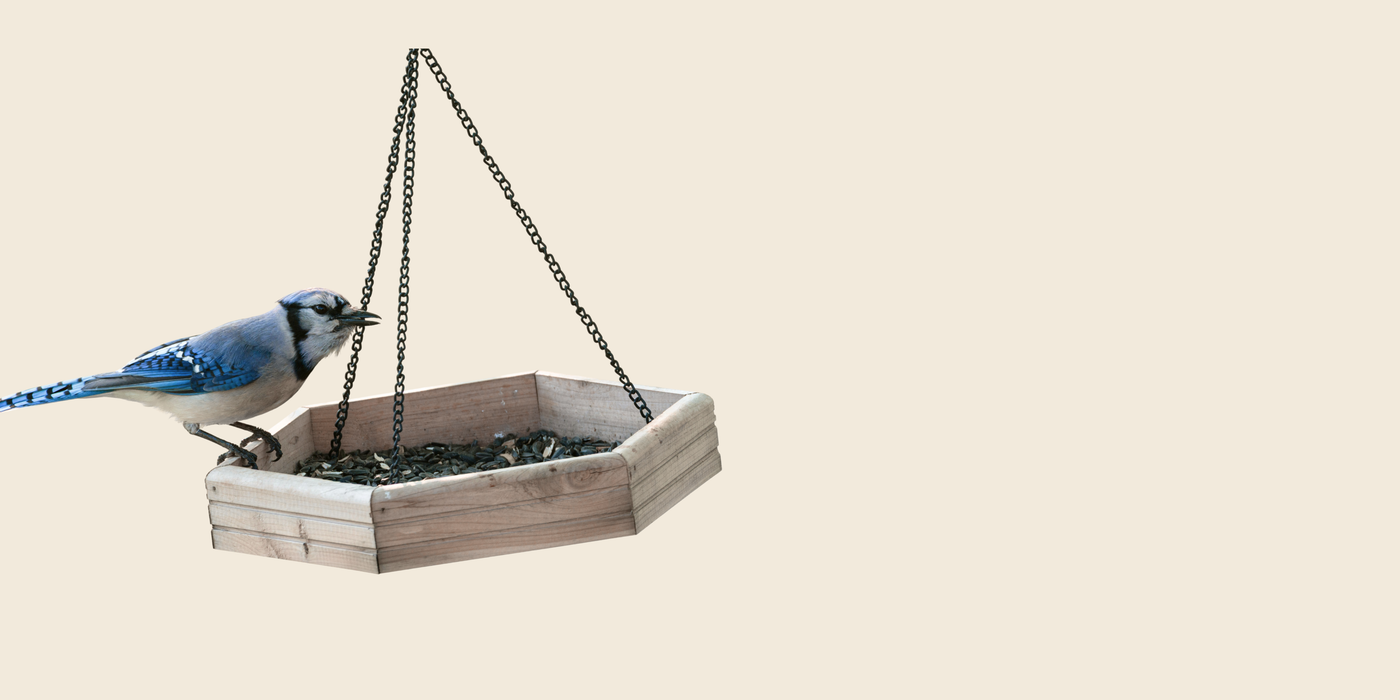
I also love watching the birds interact over food. There’s the bossy cardinal that always claims the platform feeder, the cheeky chickadees that dart in and out, and the finches that seem to have a delicate tea-time etiquette. It’s like living with a cast of tiny, feathered comedians, and feeding them gives me front-row seats to the performance.
Of course, feeding birds isn’t just about entertainment—it’s about helping them thrive. In urban areas, natural food sources can be scarce, especially in early spring or late winter. Offering high-quality foods like sunflower hearts, mealworms, and suet helps them survive tough seasons, fatten up for migration, and raise their young. It’s satisfying knowing that something as simple as a feeder or a cake of suet can make a real difference in their lives.
At the end of the day, feeding birds is one of my favorite parts of being outside. Whether it’s sipping coffee and watching the first chickadees arrive in the morning, or laughing as a woodpecker wrestles with a suet cake, it’s a small ritual that brings joy and a sense of connection to the natural world. And the bonus? I get to do it all without leaving my backyard.
So if you’re new to bird feeding—or even if you’ve been doing it for years—my advice is simple: start with the basics you can enjoy as much as the birds do. Sunflower hearts, mealworms, and a rich suet like Mill Creek But and Nut are my go-to favorites, and I guarantee the birds will thank you. And if you ever find yourself eyeing the suet with a slightly guilty grin… don’t worry. You’re not alone.
Feeding birds is a lot of fun, and endlessly rewarding. So grab a cup of coffee, fill your feeders, and enjoy the show. Trust me—you’ll be hooked before the first cardinal even takes a bite.
Paul Oliver
Founder, Urban Nature Store