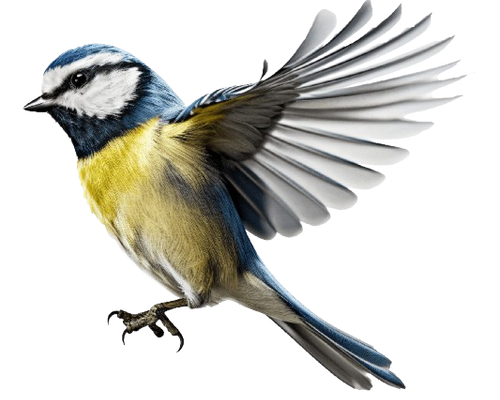
Bird feeders are just one part of creating a thriving backyard habitat. To truly invite birds to stay year-round, nothing beats planting native species. Native plants provide natural food sources, like seeds, berries, and nectar, along with safe nesting and sheltering spots that birds instinctively recognize and rely on. Here are six native plants that thrive in Southern Ontario and help attract a wide variety of birds to a backyard.
1. Serviceberry (Amelanchier Canadensis): which birds does it attract?
Serviceberry attracts Cedar Waxwings, American Robins, Northern Cardinals, and Blue Jays with its purple berries, which ripen in early summer right after its white spring blossoms fade. Also known as June berry or Saskatoon, it's one of the best native shrubs for birds.
Why it works: the berries are rich in nutrients, and the shrub's dense branches create excellent cover for nesting birds, giving it both food and structure value.
Planting tip: Serviceberries prefer full sun to part shade and well-drained soil. A grouping of two or three plants will increase berry yield and visual impact.
2. Red Osier Dogwood (Cornus Sericea): which birds does it attract?
Red Osier Dogwood attracts Song Sparrows, Northern Flickers, and Gray Catbirds with small white berries that ripen in late summer and early fall. This hardy shrub is a true four-season performer: creamy white flowers in spring and summer, berries that follow, and red stems that add a pop of colour to snowy winter landscapes.
Why it works: the berries are a favourite fall and early winter food source, and the dense branches offer excellent protection from predators.
Planting tip: Red Osier Dogwood thrives in moist soil and can even handle low-lying or wet areas. It's perfect for naturalizing along fence lines or near water features.
3. Black-Eyed Susan (Rudbeckia Hirta): which birds does it attract?
Black-Eyed Susan attracts American Goldfinches, Chickadees, and House Finches once its seed heads form in fall. Its cheerful yellow petals bring bright summer colour and draw pollinators throughout the season, before the plant becomes a natural buffet for small birds as autumn arrives.
Why it works: the conical seed heads provide an important food source right when insect populations begin to wane in late summer and fall.
Planting tip: these perennials prefer full sun and dry to moderately moist soil. Leave the seed heads standing through winter to give birds natural foraging material.
4. Wild Bergamot (Monarda Fistulosa): which birds does it attract?
Wild Bergamot, also called Bee Balm, attracts Ruby-throated Hummingbirds along with a variety of seed-eating songbirds. Its lavender-pink blooms are magnets for hummingbirds and butterflies alike, and its fragrant leaves and long-blooming flowers make it a favourite for gardeners and wildlife.
Why it works: in summer, the tubular flowers provide nectar for hummingbirds. Later, when the blossoms dry, the seed heads attract finches and sparrows.
Planting tip: Wild Bergamot grows best in sunny locations with good air circulation. Pair it with Coneflowers for a lively display.
5. Eastern Red Cedar (Juniperus Virginiana): which birds does it attract?
Eastern Red Cedar attracts Cedar Waxwings, American Robins, and Yellow-rumped Warblers. This native evergreen offers year-round shelter and blue, berry-like cones that birds love, providing critical winter cover and a steady food source long after other fruits are gone.
Why it works: the dense foliage gives small birds protection from snow and predators, while the berry-like cones are rich in the sugars and fats essential for cold-weather survival.
Planting tip: Red Cedar thrives in dry, sunny locations and requires little maintenance once established. It's excellent for windbreaks and privacy screens.
6. Purple Coneflower (Echinacea Purpurea): which birds does it attract?
Coneflower attracts American Goldfinches, Dark-eyed Juncos, and Chickadees once its spiky central cones turn into seed hubs in late summer and fall. This iconic wildflower adds structure and long-lasting colour to the summer garden before taking on that second role as a bird feeder.
Why it works: besides its aesthetic appeal, the seed heads persist into winter, providing valuable food when snow covers other sources.
Planting tip: Coneflowers prefer full sun and tolerate dry conditions, making them a perfect companion for low-maintenance gardens.
Bringing it all together: what does a complete bird-friendly backyard look like?
Combining these native species creates a layered, year-round habitat. Tall evergreens like Eastern Red Cedar offer structure and shelter, mid-sized shrubs like Serviceberry and Dogwood provide berries and nesting sites, and lower-growing wildflowers like Black-Eyed Susan and Coneflower supply nectar and seeds across the seasons.
For extra attraction, native plantings pair well with a bird feeder or bird bath from Urban Nature Store. Heated bird baths, for example, provide essential winter water when natural sources freeze, and squirrel-proof feeders help ensure seed reaches its intended guests.
Native plants are more than beautiful, they're the foundation of healthy bird habitats in Southern Ontario. Planting even a few of these species supports local bird populations, brings year-round backyard activity, and helps restore balance to local ecosystems.
urbannaturestore.ca or any of Urban Nature Store's nine store locations offer a wide selection of bird feeders, seed, suet, and accessories that complement a native garden. Every backyard can become a refuge for wildlife, one plant at a time.
Frequently Asked Questions
Do these plants need special care once established?
Not much. The main upkeep across all six is matching them to the right light and soil, full sun to part shade, and well-drained to moist depending on the plant, and leaving seed heads standing through winter so birds can keep feeding on them.
Which of these plants pair well together?
Wild Bergamot and Coneflower are a natural match for a lively display. More broadly, combining a tall evergreen like Eastern Red Cedar with mid-sized shrubs like Serviceberry and Dogwood and lower wildflowers like Black-Eyed Susan builds the layered habitat described above, covering shelter, nesting, and food across the whole year.
Should I clean up seed heads and spend flowers in fall?
No. Black-Eyed Susan and Coneflower both rely on their dried seed heads as a food source once summer ends, so leaving them standing through winter is exactly what gives birds something to eat when other options are scarce.
Do these plants attract anything besides birds?
Yes. Serviceberry's spring blossoms attract pollinators, and Wild Bergamot's lavender-pink blooms are magnets for both hummingbirds and butterflies, so several of these picks support pollinators and birds at the same time