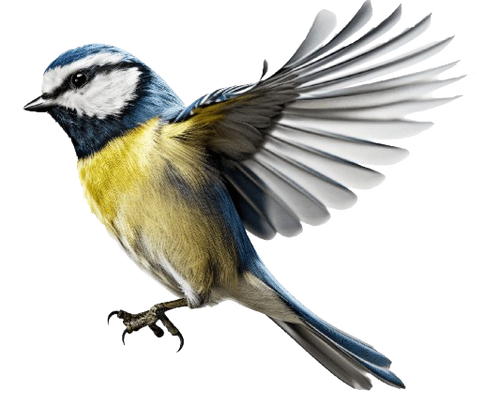
Feeding backyard birds helps more than it harms when a feeder is kept clean and placed thoughtfully, since feeding rarely creates the kind of unhealthy dependency people sometimes worry about, though a couple of real risks, disease spread at a dirty feeder and a higher chance of window strikes near a busy one, are worth managing rather than ignored.
What Are the Real Benefits of Feeding Backyard Birds?
A reliable feeder gives birds an easier source of calories during the hardest stretches of the year, cold snaps, late snow, or a poor natural seed crop, when natural food is harder to find. It also gives people a close, repeated view of species they’d otherwise rarely see well, which is part of why backyard feeding has stayed such a common hobby. It isn’t the only thing keeping a bird alive, but it is a genuine supplement rather than an empty gesture.
Does Feeding Birds Create an Unhealthy Dependency?
No, not in the way people sometimes assume. A backyard feeder is one food source among many a wild bird uses, not a replacement for natural foraging, so birds don’t lose the instinct or ability to find food elsewhere if a feeder runs empty for a while. A feeder going empty during a vacation or a busy week isn’t something to feel guilty about, since the birds visiting it are still foraging naturally the rest of the time.
Can Feeders Spread Disease Among Birds?
Yes, if a feeder isn’t cleaned regularly, since birds crowding around the same surface can pass along illness more easily than they would while foraging spread out in the wild. Keeping Songbirds Safe From Disease covers a full cleaning routine rather than repeating it here. A dedicated cleaner like the Bird Feeder and Bird House Cleaner, priced at $22.95, paired with the Two in One Feeder Brush, priced at $10.95, makes that regular cleaning easier to stay on top of.
Does a Busy Feeder Increase Window Strikes?
It can, since concentrating bird activity near a house naturally increases how often a startled or distracted bird flies toward a window nearby. Placing a feeder either very close to a window, where a bird can’t build up dangerous speed, or well away from the house reduces that risk, and a deterrent like Window Alert Transparent Bird Strike Deterrent, priced at $14.95, marks glass in a way birds can see and people barely notice.
Does Feeder Placement or Crowding Create Other Risks?
A single overcrowded feeder can also draw more squirrels and predators to one spot than a yard would otherwise attract, and more competition at one feeder can mean more aggressive encounters between birds. Spreading activity across more than one feeding spot, including a squirrel resistant option like the Audubon Squirrel Resistant Caged Seed Feeder, priced at $109.95, eases that pressure rather than concentrating it all in one place.
Frequently Asked Questions
Is It Harmful to Stop Feeding Suddenly, Like Going on Vacation?
No. Birds visiting a feeder are still foraging naturally the rest of the time, so a feeder sitting empty for a week or two isn’t something to feel guilty about or rush home for.
How Often Should a Feeder Be Cleaned to Manage Disease Risk?
About once every one to two weeks under normal conditions, sooner if seed gets wet or moldy, with the full routine covered in the disease prevention guide linked above.
Is there a minimum order for free shipping?
Yes. Most Canadian orders over $125 ship free, and anything below that is charged standard shipping at checkout.
What’s the return window on feeder cleaning or deterrent products?
45 days. Items can be returned within that window in their original condition and packaging.