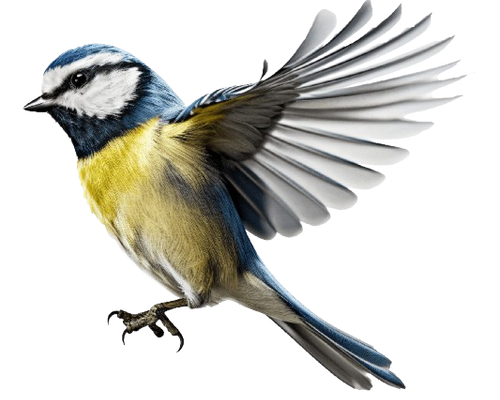
Songbirds can be attracted through an Atlantic Canada winter by combining high-energy food like suet, seed suited to whichever finches are passing through that season, and a dependable source of liquid water despite a coastline's frequent freeze-thaw cycles. The maritime climate across Nova Scotia, New Brunswick, Prince Edward Island, and Newfoundland and Labrador tends to be milder than inland Canada but wetter and windier, which shifts the priorities slightly compared to a drier, colder winter further inland.
What Makes Winter Bird Feeding Different in Atlantic Canada Compared to Inland Canada?
Winter bird feeding in Atlantic Canada tends to deal with repeated freeze-thaw cycles and coastal wind and dampness rather than one long, dry deep freeze. That pattern makes reliable, weatherproof equipment and a stable liquid water source arguably more important along the coast than raw cold-tolerance, since food and water are exposed to more freezing and thawing over the course of a single week.
What Food Gives Songbirds the Most Energy During Coastal Winter Cold?
Suet gives songbirds a dense, fast source of energy during coastal winter cold, since its fat content burns quickly and helps maintain body heat through a cold night. A concentrated pepper oil that birds don't taste but squirrels find unappealing lets Squirrel Proof High Energy Suet work in any standard suet feeder without a specialized squirrel-proof cage, and each 13.5-ounce cake is formulated to be used year-round.
What Kind of Feeder Works Best for Offering Suet in Winter?
A dedicated suet feeder with a stable perch makes it easier for woodpeckers and other clinging species to feed through the winter without struggling for balance. A built-in tail prop that woodpeckers can brace against while feeding is what sets the Suet Feeder with Tail Prop apart, and its recycled composite plastic construction is built to be cleaned and disinfected repeatedly through a full winter season.
Which Winter Finches Might Show Up at an Atlantic Canada Feeder?
Winter finches such as redpolls, pine siskins, and goldfinches are among the species most likely to show up at an Atlantic Canada feeder once nyjer seed is offered. A non-germinating thistle seed suited to a finch tube feeder with small ports or a thistle sock, Nyjer costs more per pound than many other seed types, though it's specifically effective at drawing in goldfinches and other small finches that skip most other seed.
Is Liquid Water Available to Birds Through a Maritime Winter?
Liquid water can stay available to birds through a maritime winter with a heated bird bath, even through repeated freeze-thaw cycles that would otherwise leave a standard bath frozen solid. A 75-watt thermostat-controlled heater tested to minus 23 degrees Celsius, well beyond what a typical Atlantic Canada winter demands, powers the Farm Innovators Heated Bird Bath, which also includes ground, deck-mount, and deck-rail clamp options for placement.
Does Wind Exposure Along the Coast Affect Feeder Placement?
Wind exposure along the coast affects feeder placement significantly, since a feeder left fully open to prevailing wind swings, empties faster, and gets harder for smaller birds to land on safely. Positioning a feeder near a wind-blocking structure, dense evergreen, or hedge, rather than out in an open, fully exposed yard, generally keeps both the food and the birds using it more stable through a windy coastal winter.
Frequently Asked Questions
Do Cardinals Live in Atlantic Canada During Winter?
Cardinals are increasingly seen in parts of Atlantic Canada during winter as their range has gradually shifted northward and eastward over recent decades, though they remain less common there than further inland in central Canada.
Should Backyard Feeding Stop During a Winter Storm?
Backyard feeding doesn't need to stop during a winter storm; if anything, birds rely on it more heavily when natural food is buried or hard to reach, though a feeder may need clearing or repositioning afterward if it's been knocked down or buried by snow.
How Often Does Suet Need to Be Replaced in Winter?
Suet typically needs replacing every one to two weeks in winter, or sooner if it's visibly depleted, since cold temperatures slow spoilage but don't stop birds from working through a cake steadily once they find it.
Can Nyjer Seed Spoil in Damp Coastal Weather?
Nyjer seed can spoil or clump in damp coastal weather if it absorbs moisture, so storing an unopened portion somewhere dry and only filling a feeder with as much as will be used within a week or two helps keep it fresh.
Is In-Store Pickup Available for Winter Feeding Supplies in Atlantic Canada?
In-store pickup isn't available for a customer in Atlantic Canada, since Urban Nature Store's two physical locations are in Toronto and Thornhill, Ontario; free shipping on most Canadian orders over $125 covers delivery to Atlantic Canada instead.