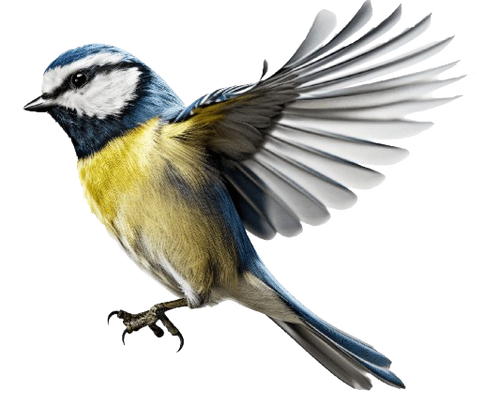
Birds survive freezing winter nights through a combination of physical adaptations, fluffing their feathers to trap insulating air, shivering to generate heat, and drawing on fat reserves built up during the day, often combined with finding a sheltered spot to roost overnight.
How Do Feathers Help Birds Stay Warm?
A bird's feathers trap a layer of air next to its body, and fluffing them out on a cold night thickens that insulating layer, much like a down jacket works by trapping air rather than by the material itself generating heat. This is why birds often look noticeably rounder and puffier on the coldest days.
What Is Shivering Thermogenesis?
Shivering thermogenesis is a bird's ability to generate internal heat by rapidly contracting its muscles, essentially shivering on purpose as a heat-producing mechanism rather than an involuntary response to cold. It's an energy-expensive process, which is part of why birds need reliable access to food through the winter to fuel it.
Why Do Birds Need Extra Fat Reserves in Winter?
Fat is a bird's stored energy reserve, built up during the day's feeding and drawn down overnight to fuel both basic survival and the shivering response needed to stay warm. A bird that can't find enough food during short winter days may not build up enough fat reserve to make it through a long, cold night, which is part of why consistent backyard feeding matters more in winter than in other seasons.
Where Do Birds Shelter Overnight?
Many birds seek out a sheltered roosting spot for the night, whether that's a dense evergreen, a tree cavity, or a dedicated roost box, and some species gather together in these spots to share body heat. Urban Nature Store's existing guide on helping birds find shelter this winter covers roost box placement and design in more detail. The Convertible Roost Birdhouse, priced at $69.95, is built with staggered interior perches for winter roosting and can be converted to a standard nesting box come spring by flipping the entrance panel.
Frequently Asked Questions
Does putting out water in winter help birds as much as food does?
Water matters too, since open water for drinking and bathing can be scarce once ponds and bird baths freeze over. A heated bird bath, or any water source checked and refreshed regularly, rounds out the food and shelter birds already rely on to get through a cold night.
Do smaller birds struggle more with cold nights than larger ones?
Generally, yes. A smaller bird loses heat faster relative to its body size and needs to eat a larger share of its body weight each day to keep pace with that energy cost, which is part of why tiny species like chickadees and kinglets are especially vulnerable on the coldest nights.
Do all birds roost together for warmth?
No, not all species do, but some, including chickadees, nuthatches, titmice, and wrens, are known to gather in a shared cavity or roost box on cold nights specifically to share body heat.
Does a roost box need to face a specific direction?
Urban Nature Store's existing roost box guide recommends mounting away from prevailing winds and facing south where possible, so afternoon sun can help warm the box.
Can birds actually freeze to death overnight?
Yes, it's a real risk for birds that can't access enough food to build fat reserves or can't find adequate shelter, which is why winter feeding and roosting spots both matter more during the coldest stretches.