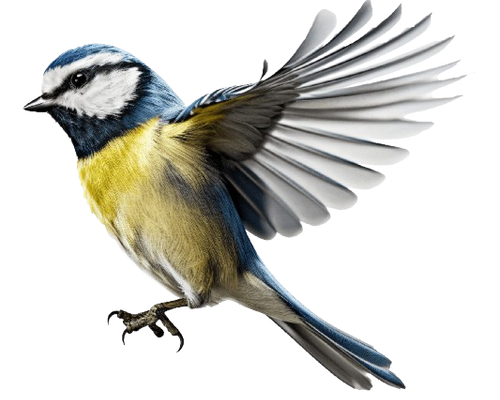
Black-capped chickadees and white-breasted nuthatches live in Ontario year-round rather than migrating, so attracting them consistently means keeping food, water, and shelter available across every season rather than just during the busy winter feeder months. Both species rely on a mix of feeder food, insects, and food cached back in fall, and what they need shifts as the seasons change.
Do Chickadees and Nuthatches Migrate, or Stay in Ontario Year-Round?
Black-capped chickadees and white-breasted nuthatches are non-migratory, meaning the birds visiting a feeder in July are typically the same population present in January. That year-round presence is why consistent food and shelter matter more for these two species than for a summer visitor like an oriole that leaves for winter regardless of what's offered.
Where Do Chickadees and Nuthatches Shelter on Cold Winter Nights?
Chickadees and nuthatches roost in tree cavities or dense conifer cover on cold nights, sometimes several birds together to share body heat. A dedicated winter shelter gives them an alternative to a natural cavity when one isn't available nearby.
The Wooden Winter Roost Birdhouse, built from white pine with its entrance hole at the bottom instead of the side, holds heat in through tightly sealed seams and three staggered interior perches for multiple birds roosting together. It's built for cold-weather shelter rather than nesting, and that bottom entrance is what separates it from a standard nest box.
Is Suet Safe to Leave Out in Summer?
A no-melt formula holds up better than regular suet in summer heat, since standard suet can turn greasy and lose its shape once temperatures climb. Summer Nut Premium Suet stays solid through the summer months while still drawing chickadees and nuthatches along with other birds.
Do Chickadees Cache Food for Later?
Chickadees cache individual seeds in bark crevices, under lichen, or in dead leaf clusters throughout fall, often hundreds of times a day, and rely on spatial memory to relocate a meaningful share of that stored food through winter. A steady feeder supply in fall gives chickadees more to cache, which carries directly into how well-fed they are during the coldest stretches of winter.
Does Water Need to Be Available Year-Round Too?
Yes. Chickadees and nuthatches need water for drinking and bathing in every season, and natural water sources disappear in winter just as reliably as they do during a summer dry spell. A heated bath keeps water accessible once temperatures drop below freezing; the Farm Innovators 3-in-1 Heated Bird Bath uses a 75-watt heater to keep its basin ice-free down to minus 23 degrees Celsius.
Frequently Asked Questions
How much does the Wooden Winter Roost Birdhouse cost?
$69.95 CAD for the Wooden Winter Roost Birdhouse, which measures 17 inches tall by 7¼ inches wide by 9 inches deep.
Is there a minimum order for free shipping?
Yes. Most Canadian orders over $125 ship free, and anything below that is charged shipping at checkout.
Can a roost box or suet order be picked up in-store?
Yes. A pickup location can be chosen at checkout, and orders are typically ready within about three hours of purchase.
What is the return policy on a roost birdhouse?
45 days. Items can be returned within that window in original condition with original packaging, though a restocking fee may apply if the packaging is damaged or missing.