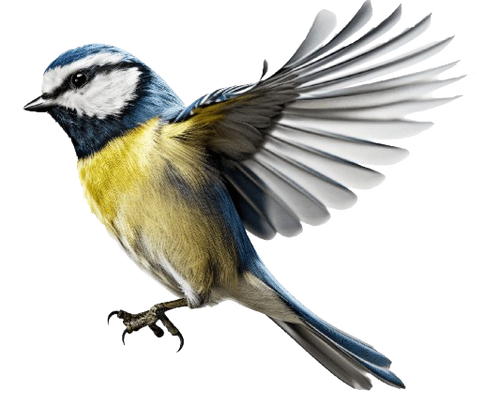
Bird feeders and bird baths bring nature closer to home, attracting colourful cardinals, chickadees, finches and other backyard visitors. But while we enjoy watching our feathered friends, it's important to remember that feeders and bird baths require regular cleaning to help keep them in good condition and reduce the buildup of potentially harmful contaminants.
Dirty feeders can accumulate discarded seed, bird droppings and moisture, while bird baths can develop algae and collect organic debris. These conditions can contribute to the spread of diseases among birds.
The good news? With a simple cleaning routine and the right products, maintaining a clean backyard feeding station doesn't have to be a chore.
How Often Should You Clean a Bird Feeder?
As a general rule, clean your bird feeders every one to two weeks, and more frequently during wet weather or periods of heavy bird activity. Environment and Climate Change Canada recommends cleaning backyard bird feeders and baths at least every two weeks, followed by thorough rinsing and drying.
You should also inspect feeders regularly for:
- Wet, mouldy or spoiled birdseed.
- Accumulated seed husks and droppings.
- Clogged feeding ports or dispensing mechanisms.
- Unpleasant odours or visible contamination.
Remove spoiled seed immediately rather than waiting until your next scheduled cleaning.
If you notice sick birds visiting your feeder, stop feeding temporarily, remove the feeder and follow current wildlife-health guidance.
What's the Best Way to Clean a Bird Feeder?
The first step is to empty the feeder completely and remove all remaining seed and debris. Disassemble the feeder where possible, following the manufacturer's instructions. Cleaning brushes are available for seed feeders, hummingbird feeders.
Scrub the components with warm water and dish soap, paying particular attention to feeding ports, perches, seams and other areas where organic material accumulates. Rinse thoroughly and air dry completely before refilling.
For routine maintenance, removing debris and washing away residue is essential. When disinfection is needed, follow appropriate public-health or wildlife-health guidance and the feeder manufacturer's instructions.
Canadian federal guidance recommends a solution of one part household bleach to nine parts water for cleaning feeders and bird baths. Allow the solution appropriate contact time according to current guidance, rinse thoroughly and let the feeder dry completely before refilling. Never mix bleach with other cleaning products.
Make Cleaning Easier with an Enzyme-Based Bird Feeder Cleaner
Scrubbing feeders isn't everyone's favourite backyard activity. Fortunately, specialist cleaning products can make routine maintenance easier.
Urban Nature Store carries the Songbird Essentials Bird Feeder and Bird House Cleaner, 16 oz, an enzyme-based cleaner formulated for bird feeders and birdhouses.
Its enzyme-based formulation is intended to help clean away organic contamination, including accumulated debris and bird droppings.

Explore the product here: Bird Feeder and Bird House Cleaner at Urban Nature Store.
Always follow the product label for application and rinsing instructions. An enzyme cleaner should not automatically be considered a disinfectant: use an appropriate disinfecting procedure when required.
How to Clean a Bird Bath
Bird baths also need regular attention because standing water can accumulate debris and develop algae, particularly during warm weather.
To maintain a cleaner bird bath:
-
Empty the old water.
-
Remove leaves, droppings and other debris.
-
Scrub the basin to remove visible buildup. Songbird Essentials Bird Bath Brush makes the job easy.
-
Clean and disinfect when appropriate, following current guidance and the manufacturer's instructions.
-
Rinse thoroughly before refilling with fresh water.

Refresh the water frequently, ideally daily during warm weather, and position the bath where it can be monitored and maintained easily. Songbird Essentials Bird Bath Protector helps prevent stains, mineral deposits, organic contamination and sludge.

A clean bird bath provides birds with an accessible source of water for drinking and bathing while helping you maintain a more attractive backyard feature.
What Should You Do If You See Sick Birds?
If you notice birds that appear lethargic, unusually tame, uncoordinated or visibly ill, take the situation seriously.
Temporarily remove your feeders and bird baths, avoid handling wild birds, and consult your provincial wildlife authority or the Canadian Wildlife Health Cooperative for advice. Report sick or dead birds as directed by the relevant authorities.
Do not simply clean the feeder and immediately put it back out if illness is suspected. Follow current guidance on when feeding can safely resume.
Keep Your Backyard Birds Coming Back
Regular cleaning is an essential part of responsible backyard bird feeding. Removing spoiled seed, scrubbing feeders, maintaining fresh bath water and disinfecting when appropriate all help you maintain a cleaner feeding environment.
Urban Nature Store offers products to help make backyard bird care easier, including the Songbird Essentials Bird Feeder and Bird House Cleaner.
Visit UrbanNatureStore.ca to explore bird-feeding accessories and cleaning supplies. A little routine maintenance can go a long way toward keeping your feeding station ready for your next feathered visitor.
Related Reading
For more practical cleaning advice, explore our Proper Wild Bird Feeder Maintenance: How to Clean and Maintain Feeders for Healthier Birds guide and Paul's How and When to Clean a Bird Bath article.