By Paul Oliver, Founder, Urban Nature Store
Have you ever looked out your window and wondered why your neighbour seems to have a backyard full of birds while your feeders are as quiet as a library?
The good news is that attracting more wild birds doesn't have to be complicated. With the right seed, suitable feeders, a little patience and a bird-friendly garden, you can encourage a surprising variety of feathered visitors to stop by.
After more than 20 years in the wild birding business, I've learned that the secret isn't necessarily having more feeders. It's offering the right food in the right feeder and making your backyard a welcoming place for birds.
Here are my recommendations for getting started.
1. Start With the Right Birdseed
Different birds have different food preferences. Choosing seeds that appeal to the species you want to attract is one of the easiest ways to improve your results.
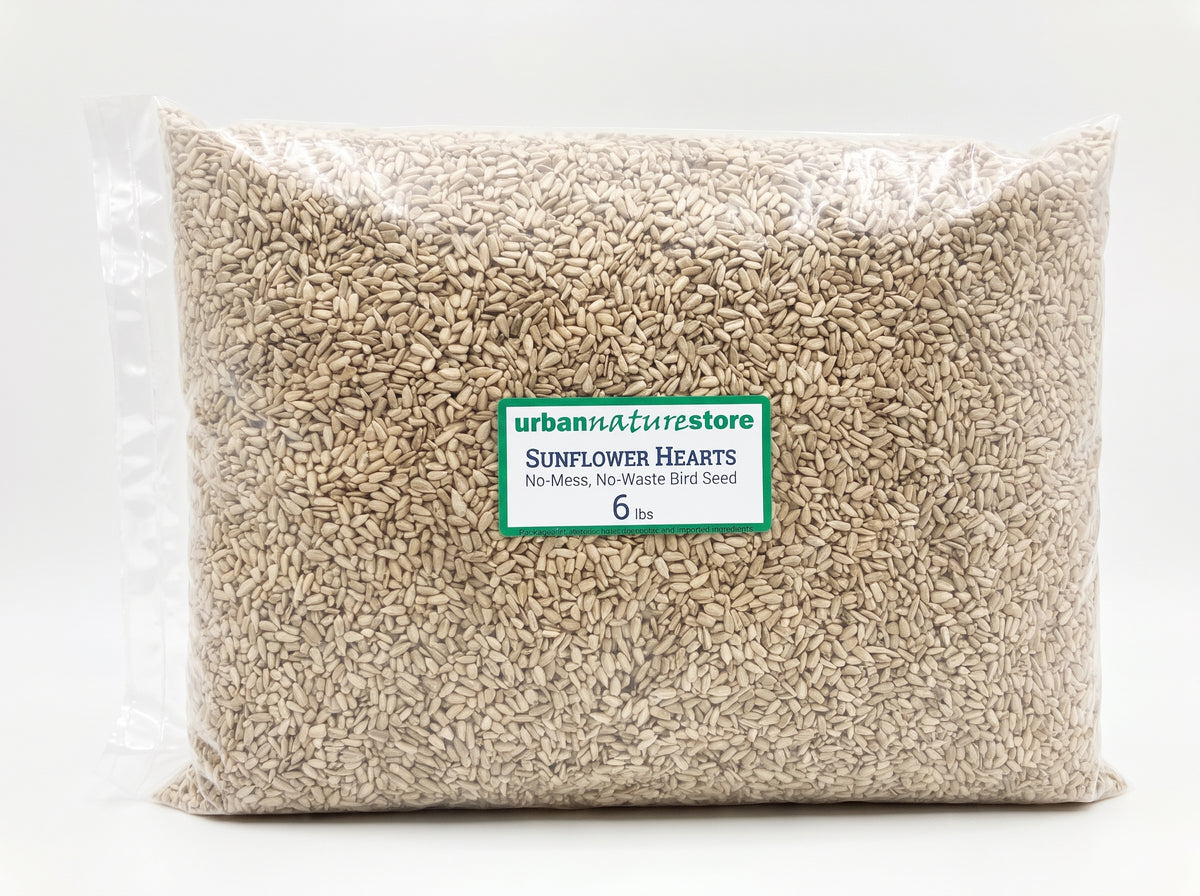
Sunflower hearts are an excellent all-purpose choice. These are sunflower seeds with their outer shells removed, making them easy for many birds to eat. They are particularly popular with Northern Cardinals, Black-capped Chickadees, American Goldfinches, House Finches, White and Red-breasted Nuthatches, and Downy, Hairy, and Red-Bellied Woodpeckers.
Another advantage is the reduced mess. Because the shells have been removed, there are no piles of discarded sunflower husks beneath your feeder.
Explore Sunflower Hearts: No-Mess, No-Waste Birdseed at Urban Nature Store.
Want to attract particular species? Try these options:
- American Goldfinches: Nyjer seed or fine sunflower hearts.
- Northern Cardinals: Black oil sunflower seed, sunflower hearts or safflower seed.
- Black-capped Chickadees: Sunflower hearts, black oil sunflower seed and out-of-the shell peanuts.
- Woodpeckers: Suet, peanuts and sunflower hearts.
Offering more than one food type can attract a wider variety of birds.
2. Match Your Feeder to Your Birds
Even the best seed won't help much if your feeder isn't suited to the birds you're trying to attract.
Tube feeders are ideal for many small birds, including finches and chickadees. Choose a feeder with appropriate feeding ports for the seed you're offering. Brome Bird Care’s Tube Solution Feeders make a good choice and come in three different sizes.
Available models include the Tube Solution 100, Tube Solution 150, and Tube Solution 200.
Hopper feeders provide a sheltered supply of seed and work well for cardinals, chickadees, finches and other familiar backyard visitors. Bird’s Choice offers Green Hopper Feeders made from recycled plastic and come in 2, 3, and 5 quart sizes.

Platform feeders offer an open feeding area that is particularly useful for larger birds such as cardinals and Blue Jays. Bird’s Choice Large Hanging Platform Bird Feeder in Green Recycled Plastic would welcome a variety of birds.

Suet feeders are excellent for woodpeckers, nuthatches and other birds that enjoy high-energy suet products. If squirrels are emptying your feeders faster than the birds can eat, you may want to consider the Squirrel Buster Suet Feeder or a properly installed 16” Dome Top Squirrel Baffle by Erva Nature House.
3. Give Birds Somewhere Safe to Feed
Birds need to feel secure before they will regularly visit a feeder.
Where practical, position feeders near shrubs or trees that provide cover, but avoid locations where cats can hide and ambush visiting birds. Make sure birds have clear sightlines around feeding areas.
Spacing feeders apart can also reduce crowding and allow smaller birds to feed without competing constantly with larger visitors.
Don't forget water. A clean birdbath can attract birds that might not otherwise visit your feeders. In winter, consider a suitable heated birdbath to help maintain access to unfrozen water.
4. Make Your Garden More Bird-Friendly
Feeders are only one part of a welcoming backyard.
Flowering plants, native shrubs and trees provide shelter, nesting opportunities and natural food. Seed-bearing flowers such as coneflowers and black-eyed Susans can be particularly attractive to goldfinches when their seed heads mature.
Avoid pesticides wherever possible. Insects and spiders provide important food for many birds, particularly during the breeding season when adults are feeding their young.
A garden with several layers of vegetation—from ground cover to shrubs and trees—can support a wider variety of species than a yard consisting entirely of lawn.
5. Keep Your Feeders Clean and Be Patient
Clean feeders regularly, remove wet or spoiled seed, and replenish food as needed. A feeder that is left dirty or filled with damp seed can become less attractive and potentially unsafe for visiting birds. Feeders can be cleaned with one part bleach or vinegar to nine parts warm water. Always rinse well with hot water and air dry before refilling with fresh seeds.
If your new feeder isn't busy immediately, don't give up. Birds may take time to discover it, and activity can change with the season and the availability of natural food.
Try a different seed, adjust the feeder's location or add another feeder style. Observe which birds visit and use that information to refine your setup.
Bring More Nature to Your Backyard
Attracting birds is about more than choosing a bag of seed. It's about creating an environment where birds can find food, water and shelter while giving you the pleasure of watching nature unfold outside your window.
At Urban Nature Store, we're here to help you choose the right seed, feeders and accessories for your backyard.
Visit UrbanNatureStore.ca or stop by one of our stores. We'll help you get started on a rewarding backyard birding experience.
Paul Oliver
Founder, Urban Nature Store
Your Local Birding and Nature Experts
Related Reading
For more advice on choosing birdseed, finding suitable feeders, and encouraging birds to visit your backyard, explore our Why Aren't Birds Coming to My Bird Feeder? 10 Reasons Birds May Be Ignoring Your Seed, How to Choose the Right Bird Feeder for Your Backyard, and Beginner's Guide to Bird Feeding.