By Paul Oliver, Founder, Urban Nature Store
Buying quality birdseed is one of the best ways to attract a variety of wild birds to your backyard. But even the best seed can lose its quality if it is stored incorrectly. Heat, moisture, insects and rodents can all affect your birdseed, potentially making it less appealing to birds or unsuitable for feeding.
The good news is that a few simple storage habits can help keep your seed fresh, protect your investment and ensure your feathered visitors continue to enjoy their meals.
How Long Does Birdseed Last?
As a general rule, aim to use your birdseed within six to eight weeks of purchase for the best freshness. The actual shelf life depends on the seed type, its initial quality and the conditions in which it is stored.
Buying a large bag may seem economical, but it is not necessarily a bargain if the seed deteriorates before you can use it. Consider how many birds visit your feeders, how quickly you go through seed and how much suitable storage space you have.
At Urban Nature Store, we recommend buying quantities that suit your feeding routine and replenishing your supply regularly. Fresh seed is more likely to appeal to birds and helps you maintain a reliable backyard feeding station.
Choose the Right Storage Container
The best birdseed storage container protects the contents from moisture, pests and temperature extremes.
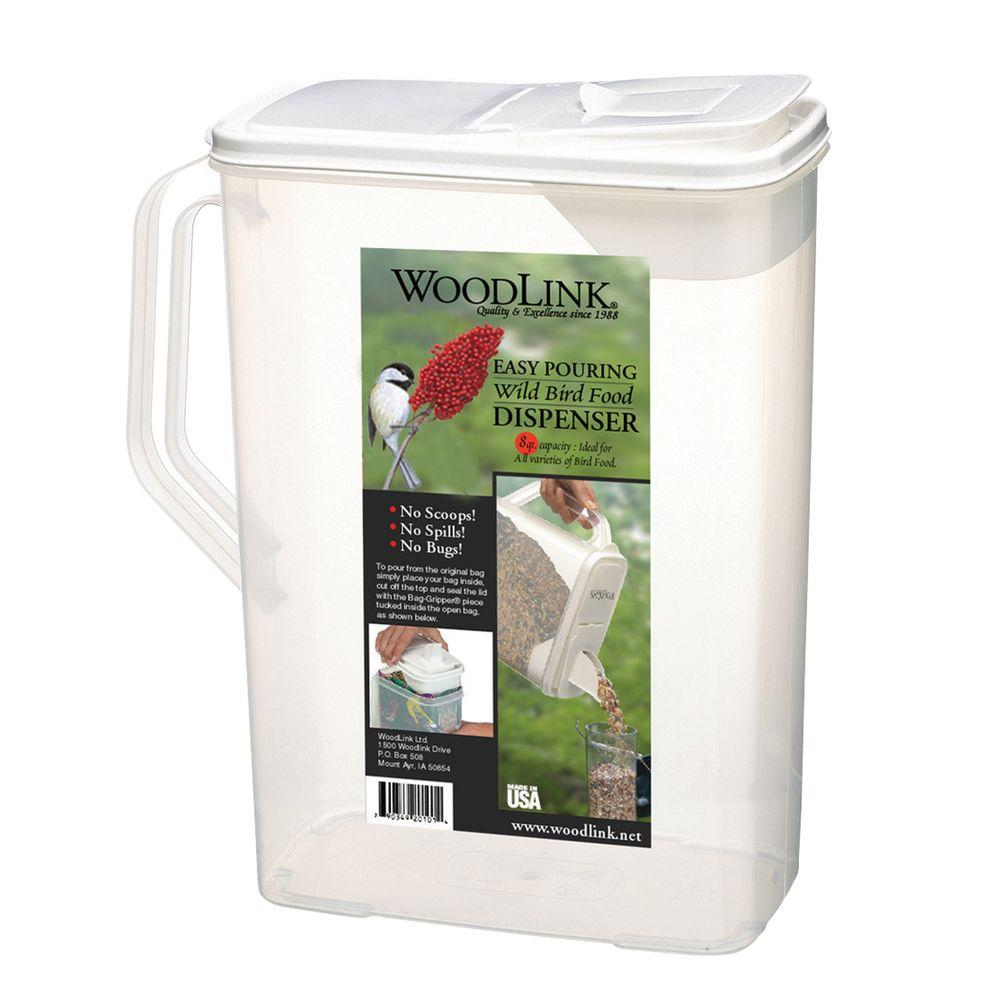
Choose a rigid, food-safe container with a secure, airtight lid. Plastic storage bins with tight-fitting lids or suitable metal containers can work well. Urban Nature Store offers the Galvanized Steel Utility Can with Lid by Behrens, 10 Gallon, and Woodlink Bird Seed Container and Dispenser made from heavy duty plastic in 8 quart and 32 quart sizes. Make sure the container is clean and completely dry before adding fresh seed.

Keep your container:
- In a cool, dry location away from direct sunlight.
- Off damp floors and away from leaking pipes or other sources of moisture.
- Securely closed to discourage mice, rats and insects.
- Away from strong-smelling chemicals, cleaning products and fuels.
Avoid leaving birdseed in an opened bag, especially in a garage or shed where rodents and insects may find it. If you prefer to keep the seed in its original bag, place the entire bag inside a secure storage container.
Always clean and dry containers between batches rather than simply topping up old seed with a fresh supply.
Should You Store Birdseed in the Freezer?
If you expect to keep birdseed longer than six to eight weeks, freezer storage can help preserve its quality. This is particularly useful if you buy seed in larger quantities or want to keep a reserve on hand.
Place the seed in a sealed, freezer-safe bag or airtight container, ideally divided into smaller portions. Label each portion with the seed type and purchase date so you can rotate your supply.
When removing seed from the freezer, keep it sealed until it reaches room temperature. This helps prevent condensation from forming on the seed, as introducing moisture can encourage mould and spoilage.
Nyjer seed, which is especially popular with finches, is also a good candidate for freezer storage if you plan to keep it for an extended period. Proper storage helps slow deterioration and maintain seed quality.
What About Moths and Insects in Birdseed?
Opening a bag of birdseed and discovering small moths, caterpillars or other insects can be an unpleasant surprise. However, the presence of insects does not automatically mean every seed in the bag is spoiled.
Insects are a natural source of protein and other nutrients for wild birds, and many species readily eat them. Birds naturally consume insects as part of their diets, particularly during breeding season when protein-rich food is important for growing chicks.
That said, an insect infestation in stored birdseed is not something to ignore. Moths and their larvae can damage the seed, leave behind webbing or droppings, and spread to other stored food. If the seed is damp, mouldy, musty-smelling or otherwise spoiled, discard it rather than feeding it to birds. When in doubt about an extensively infested bag, replacing it is the safest option.
To reduce the likelihood of insects appearing in your seed:
- Store seed in a clean, sealed, pest-resistant container.
- Keep storage areas cool and dry.
- Inspect new bags before storing them alongside existing supplies.
- Clean containers thoroughly between batches.
- Consider freezing seed intended for longer-term storage.
If you discover moths, inspect nearby bags and containers as well, since pantry moths can spread to other dry goods. Avoid using insecticides around birdseed or feeding areas.
How Can You Tell if Birdseed Has Gone Bad?
Check your seed regularly, particularly during warm or humid weather. Discard seed that has any of the following warning signs:
- A musty, sour or unusual smell.
- Visible mould or discolouration.
- Damp, clumped or sticky seed.
- Evidence of rodent contamination.
- Extensive insect damage or contamination.
Do not mix questionable seeds with a fresh batch. Empty and clean the storage container, allow it to dry completely, and refill it with fresh seed.
Keep Your Backyard Birds Well Fed
Proper storage is an easy but important part of responsible backyard bird feeding. Buy quantities you can use within a reasonable period, keep your seed cool and dry, protect it from pests, and use your oldest suitable seed first.
For quality wild birdseed, including sunflower hearts, black oil sunflower seed and Nyjer seed, visit UrbanNatureStore.ca or stop by one of our stores. We're always happy to help you choose the right seed and feeding supplies for your backyard visitors.
Paul Oliver
Founder, Urban Nature Store
Your Local Birding and Nature Experts
Related Reading
For more advice on choosing, storing and protecting your birdseed, explore our What Should I Look for When Buying Birdseed in Bulk?, How to Keep Rats and Mice Away from Bird Feeders Without Stopping Bird Feeding, and Tips for Successful Summer Backyard Birding.