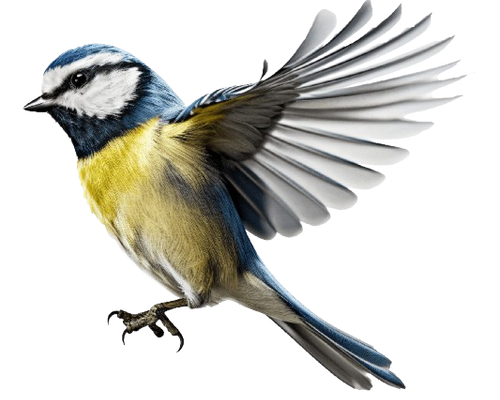
At Urban Nature Store, we love helping people connect with nature through backyard bird feeding. Few things are more relaxing than watching chickadees, nuthatches, and cardinals at your feeder—but along with that joy comes responsibility.
Bird feeders, like any outdoor item, get dirty. Rain, droppings, leftover seed, and even mold can build up over time. Without regular cleaning, feeders can spread diseases that harm the very birds we’re trying to help.
This guide will walk you through how to clean and maintain your wild bird feeders properly so your backyard remains a safe, healthy, and vibrant feeding station—especially in Southern Ontario’s changing seasons.
Why Feeder Maintenance Matters
Just as we clean our dishes before eating, birds need clean feeders to stay healthy.
Unclean feeders can:
- Spread disease: Common bird illnesses like salmonellosis, trichomoniasis, and avian pox can be transmitted through contaminated seed or dirty perches.
- Attract pests: Moldy seed and residue attract rodents, insects, and unwanted visitors.
- Discourage birds: Birds are sensitive to smells and textures. Dirty feeders may drive them away. Regular cleaning reduces these risks, improves bird health, and ensures your feeders last longer.
How Often Should You Clean Your Feeders?
The frequency depends on the season, weather, and feeder type:
- Spring to Fall: Clean feeders every two weeks or more often if it rains frequently. Moisture encourages mold growth.
- Winter: Clean feeders every three to four weeks. While cold weather slows bacterial growth, ice, and snow can trap moisture inside seed ports.
- During Outbreaks: If you hear of local bird illness outbreaks—or notice lethargic or sick birds—take feeders down temporarily and sanitize them before refilling.
At Urban Nature Store, we recommend scheduling a regular “Feeder Maintenance Day.” It’s a great way to keep your setup tidy and your birds happy.
Tools and Supplies
You’ll Need You don’t need special equipment—just a few basics:
- A large bucket or sink
- Warm, soapy water (use mild dish soap)
- A 9:1 water-to-bleach solution for disinfecting
- Feeder cleaning brushes—Urban Nature Store carries various sizes to reach narrow tubes and ports
- Rubber gloves
- Old towels or a drying rack
Optional: Vinegar solution (1 part vinegar to 5 parts water) for natural cleaning if you prefer to avoid bleach.
Step-by-Step: How to Clean a Bird Feeder
1. Empty the Feeder Completely
Remove any remaining seed or suet. Dispose of it in the garbage—not the compost—as spoiled seed can harbor bacteria or mold spores.
2. Disassemble Your Feeder Most feeders can be taken apart.
Remove perches, bases, tops, and ports. The Brome Squirrel Buster feeders (available at Urban Nature Store) are designed for easy disassembly, which makes cleaning much faster.
3. Soak in Warm, Soapy Water
Place all parts in a bucket of warm water with a few drops of dish soap. Let them soak for 10–15 minutes to loosen debris and grime.
4. Scrub Thoroughly
Use a feeder brush to scrub inside tubes, feeding ports, and perches. Pay close attention to corners and seams where moisture collects. Urban Nature Store sells Feeder Brush Sets that include small and large brushes for different feeder types—ideal for reaching every crevice.
5. Disinfect
After scrubbing, rinse everything well, then soak the parts for 10 minutes in a bleach solution (9 parts water to 1 part bleach) or vinegar solution for a gentler clean. This kills bacteria and mold spores. Rinse again thoroughly with clean water.
6. Dry Completely
Allow all parts to air dry fully—preferably in sunlight, which naturally disinfects. Never refill a damp feeder, as moisture quickly spoils seed.
7. Reassemble and Refill
Once dry, reassemble your feeder and fill with fresh, high-quality seed.
Cleaning Different Types of Feeders
Each feeder type needs a slightly different approach:
- Shake out loose seed before washing.
- Use long brushes to reach the bottom and inside ports.
- Ensure seed ports are clear and dry before refilling.
- Remove roofs and trays if possible.
- Check corners and seams for moldy seed buildup.
- Rinse screens or mesh thoroughly and allow full drying.
- Scrub wire cages with a stiff brush.
- Soak briefly in warm, soapy water, then rinse and dry.
- Replace suet regularly, especially in warm weather to prevent spoilage.
Nectar Feeders (for hummingbirds and orioles)
- Clean every 3–5 days, more often in hot weather.
- Use a narrow brush to clean feeding ports.
- Refill with fresh sugar water (4:1 ratio)—never use honey or dye.
Maintaining the Area Around Your Feeders
A clean feeder is only half the battle. The ground beneath and around your feeding station can accumulate spilled seed, shells, and droppings that attract pests or grow harmful fungi.
Here’s what to do:
- Rake and dispose of seed debris weekly.
- Place feeders over grass or mulch instead of hard surfaces to minimize bacteria buildup.
- Consider using a seed catcher tray or No-Mess Sunflower Hearts to reduce waste.
- Move feeders occasionally to allow grass and soil beneath them to recover.
Seasonal Maintenance Tips
Spring: Deep-clean feeders and check for winter damage or rust. Replace worn parts—Brome feeders come with lifetime warranties and replacement parts available at Urban Nature Store.
Summer: Keep feeders shaded to prevent spoilage and clean more frequently due to humidity.
Fall: Inspect mounting poles, clean thoroughly, and stock up on seed for the busy winter season.
Winter: Use weather domes or baffles to shield feeders from snow and ice. Check that seed stays dry and refill more often—birds burn extra calories in the cold.
Signs Your Feeder Needs Attention
Keep an eye out for these signs:
- Wet or clumped seed
- Moldy smell or dark residue
- Unusual bird behavior (avoiding the feeder or appearing ill)
- Increased rodent or insect activity
If you notice any of these, clean immediately and replace old seed.
The Benefits of Good Feeder
Hygiene Clean feeders lead to:
- Healthier bird populations – reduced disease transmission and better survival rates.
- More frequent visitors – birds return to safe, reliable food sources.
- Longer-lasting feeders – regular care prevents rust, wear, and cracking.
- Peace of mind – knowing your backyard contributes positively to local ecosystems.
Feeding wild birds is one of life’s simplest pleasures, but it comes with the responsibility of keeping feeders clean and safe. A well-maintained feeder not only protects your feathered friends—it enhances your enjoyment by ensuring steady, healthy bird activity all year long.
At Urban Nature Store, we carry everything you need for proper feeder care: cleaning brushes, safe disinfectants, seed catchers, weather domes, and a wide selection of Brome Squirrel Buster feeders that make cleaning and maintenance simple.
Visit urbannaturestore.ca or stop by one of our Ontario locations to speak with our birding experts. With a few minutes of care each week, you can help keep Southern Ontario’s wild birds healthy, happy, and coming back season after season.