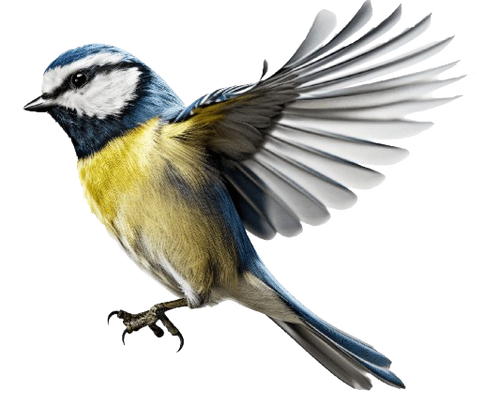
Start with a feeder. It brings in visiting birds almost immediately and works through every season, while a birdhouse only attracts a nesting pair during spring and summer and can sit empty for a season or more before a bird chooses it. Most backyards are better served by starting with a feeder and adding a birdhouse once feeding is already established.
What's the Real Difference Between a Feeder and a Birdhouse?
A feeder offers food, so almost any species in the area that eats what you're offering can start visiting within days, year round. A birdhouse, more precisely called a nest box, offers shelter for raising young, so it only draws cavity-nesting species during their breeding season, and only the species whose body size matches the box's entrance hole. Birds also tend to scout a new nest box over one or more seasons before using it, so a birdhouse is a longer-term project in a way a feeder isn't.
What's a Good Starter Feeder?
A Weatherproof Large Capacity Hopper Bird Feeder holds 4 pounds of seed and accepts mixed seed, sunflower, nyjer, fruit, nuts, or mealworms, priced at $44.95. Its automatic dispensing keeps a steady supply available and a clear panel lets you check seed levels without opening it, which makes it a practical first feeder for drawing cardinals, finches, chickadees, and other common backyard songbirds.
What's a Good Starter Birdhouse?
An Audubon Cedar Wren/Chickadee House is a cedar nest box with a 1-1/8 inch entrance hole, sized for wrens and chickadees, priced at $29.95. It includes ventilation, drainage, and an access point for cleaning, which matters since a nest box needs to be emptied out between seasons.
When Should You Put Up a Birdhouse If You Want It Used This Year?
Late winter, before nesting season gets underway in early spring, since cavity-nesting birds start scouting potential sites well before they actually build a nest. A box put up mid-summer has largely missed that year's nesting window and is really being installed for the following spring.
Can You Put Up Both at the Same Time?
Yes, but give them some distance from each other. Nesting birds can be territorial around an active feeder, and the feeder's traffic can discourage a pair from settling into a nearby box, so placing the birdhouse a few meters away, facing away from prevailing wind, works better than mounting both on the same pole.
Frequently Asked Questions
If nothing uses the birdhouse the first year, does that mean it failed?
No. Cavity-nesting birds often take a season or two to find and trust a new box, especially in an area without an established pair nearby, so an empty first year isn't a sign the box needs to be replaced or moved.
Should a birdhouse be cleaned out between nesting seasons?
Yes. Old nesting material can carry parasites or disease into the next occupant's season, so emptying the box after the young have fledged and before the next spring is standard practice.
Can house sparrows take over a birdhouse meant for a different species?
Yes. House sparrows are aggressive cavity competitors and will evict chickadees, wrens, or other target species even from a box sized for them, so entrance hole size reduces but doesn't eliminate that risk.
Does a feeder draw predators that could threaten nearby nesting birds?
It can. A feeder concentrates birds in one spot, which can attract hawks or neighborhood cats, so keeping a birdhouse set back from heavy feeder traffic reduces that added risk to nesting birds.
Would a bird bath attract more species than either a feeder or a birdhouse?
Often, yes, since water draws almost any bird in the area regardless of diet or nesting needs, with no seasonal limit. It's a reasonable third option, but it doesn't let you feed birds directly or give them a place to raise young the way a feeder or birdhouse does.