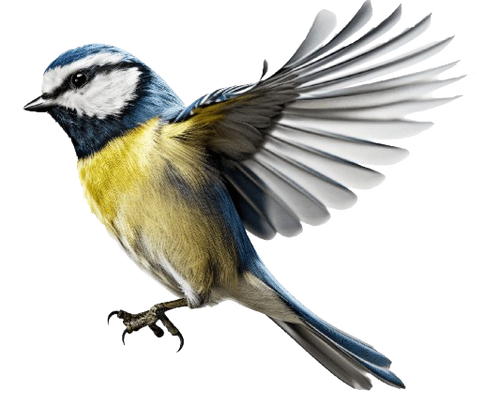
No, not unless you also keep domestic poultry or chickens. Neither the Canadian Food Inspection Agency nor Environment and Climate Change Canada recommends removing backyard bird feeders over avian influenza, since songbirds (the birds feeders mainly attract) aren't considered significant carriers of the virus. Regular cleaning, not removal, is the standard guidance.
What Does Current Guidance Actually Say About Feeders?
Environment and Climate Change Canada's wild bird guidance considers the risk of a feeder spreading avian influenza low, and its recommendations focus on hygiene rather than removal: don't feed waterfowl, gulls, or other water birds, don't handle or hand-feed wild birds, keep feeders away from areas poultry or other domestic animals can access, and clean feeders and baths at least every two weeks. The one case where feeders should come down temporarily is if you see sick or dead birds nearby, in which case the feeder should be removed and the birds reported rather than left in place.
Which Birds Are Actually at Risk?
Waterfowl, gulls, and raptors carry most of the documented highly pathogenic avian influenza (HPAI) cases, while songbirds, the chickadees, finches, and cardinals a typical feeder attracts, are not considered significant carriers. That's the main reason guidance targets water birds and poultry contact specifically rather than backyard feeding in general.
What's the Current Situation in Canada?
As of Ontario's October 2026 update, only one commercial poultry premises in the province has tested positive for HPAI this year, with most of Canada's 2026 poultry cases concentrated in British Columbia. The Canadian Wildlife Health Cooperative has logged 812 positive wild bird detections in Ontario out of 4,190 nationally since surveillance began in late 2021. Spring and fall migration remain the highest-risk windows, since more virus is circulating in the wild bird population during those periods, which is when the two-week cleaning schedule becomes a weekly one.
How Should You Clean a Feeder to Reduce Risk?
Empty the feeder of old seed and debris, scrub it with hot water and a 10% bleach solution (1 part bleach to 9 parts water) or a vinegar solution in the same ratio, rinse thoroughly, and let it air dry completely before refilling. Clean every two weeks under normal conditions, or weekly during spring and fall migration when more wild birds are moving through. Hopper and tray feeders, which hold wet seed and debris more than a tube feeder does, need the more frequent end of that schedule.
What If You Keep Backyard Chickens or Other Poultry?
Keep direct contact between wild birds and your flock to a minimum. Ontario's current guidance for poultry keepers recommends keeping domestic birds indoors during migration periods when possible, avoiding mixing birds from different premises at fairs, shows, sales, or swap meets, and not letting anyone who has handled other birds handle your flock or enter its housing area. If you keep poultry, moving feeders well away from their housing and run reduces the chance of wild birds and your flock sharing the same space.
Frequently Asked Questions
Can humans catch avian influenza from a backyard bird feeder?
Human cases from wild birds are not documented in North America, and transmission to humans overall remains extremely rare, mostly linked to prolonged, direct contact with infected poultry rather than casual exposure to feeders or wild songbirds.
What should you do if you find a sick or dead wild bird near your feeder?
Don't touch it. Report it to the Canadian Wildlife Health Cooperative (on-nu@cwhc-rcsf.ca or 1-866-673-4781) or your provincial wildlife authority, and take the feeder down until you've gotten guidance on whether it's safe to put back up.
Does a bird bath need the same cleaning schedule as a feeder?
Yes. Bird baths hold standing water that can carry the virus between visiting birds, so the same every-two-weeks-or-weekly-during-migration cleaning schedule applies to baths as much as feeders.
Are hummingbird feeders a concern during an avian influenza outbreak?
Less so than seed feeders, since hummingbirds aren't considered a significant HPAI carrier species, but the same general hygiene practice, regular cleaning with hot water and a diluted bleach or vinegar rinse, still applies to any feeder type.
Should you stop feeding birds entirely during a local outbreak near you?
Only if you're seeing sick or dead birds in your own yard, or local wildlife authorities specifically advise it for your area. Absent that, the standing guidance is to keep feeding with a stricter cleaning schedule rather than stopping.