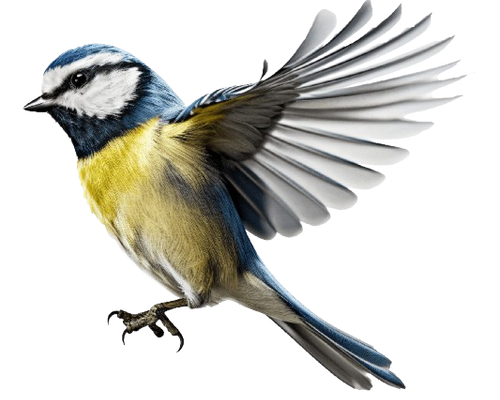
Bird migration in Southern Ontario happens twice a year: a northward spring migration from late February through June (birds returning to breed) and a southward fall migration from August through November (birds heading to warmer wintering grounds). The region sits in the Atlantic Flyway, one of North America's major migration corridors — and your backyard, whether in Toronto or along Lake Erie, is part of the journey.
At Urban Nature Store, we help bird enthusiasts across Southern Ontario experience and support migration. Here's what happens, when, and how you can help migrating birds right at home.
What is bird migration and why do birds do it?
Migration is the seasonal movement of birds between their breeding and wintering areas. For many species it's a survival strategy: food availability, daylight, and temperature change dramatically through the year, and birds follow the resources they need.
Spring migration is a northward journey — birds return to Canada to breed and raise their young. Fall migration is the return trip south, often triggered by shortening days and declining food supplies. These journeys can be astonishingly long: some shorebirds travel from the Arctic to South America, and the Ruby-throated Hummingbird crosses the Gulf of Mexico in a single non-stop flight.
Southern Ontario is a critical stopover region during both migrations, thanks to its mix of forests, wetlands, and lakeshores where birds rest, refuel, and shelter before continuing on.
When does spring migration happen in Southern Ontario?
Spring migration begins subtly in late February and peaks between April and June. As snow melts and days lengthen, familiar songs return to the air.
Early arrivals (March–April)
Red-winged Blackbirds and Common Grackles are among the first to reappear at wetlands and backyard feeders. American Robins follow closely, though some overwinter in mild years. Tree Swallows and Eastern Phoebes return to nest near open areas and water.
Mid-season migrants (April–May)
By May, migration hits full swing. Warblers such as the Yellow-rumped and Black-throated Green arrive in waves. Baltimore Orioles and Ruby-throated Hummingbirds appear as fruit trees bloom. Rose-breasted Grosbeaks and Indigo Buntings add bursts of pink and blue to feeders.
Late arrivals (May–June)
Long-distance migrants complete their journey — Scarlet Tanagers and Wood Thrushes return to mature forests, while flycatchers and vireos follow the emerging insect life north. By June, breeding season is in full swing.
To prepare for the spring influx, set up nectar feeders for hummingbirds in early May, offer orange halves or jelly for orioles, and provide high-protein seed blends like our Red Carpet Premium Wild Bird Mix or Sunflower Hearts (no-mess, no-waste) to help migrants refuel. Our seasonal Spring Birding collection brings these essentials together, and a nesting box put up before June gives breeding pairs a place to settle.
Getting your yard ready for the first wave? See our Spring Birding essentials →
When does fall migration happen in Southern Ontario?
Fall migration runs from August through November, with different species leaving at different times.
Late summer (August–September)
Shorebirds such as sandpipers and yellowlegs are among the first to depart, many heading from northern tundra wetlands to Central or South America. Hummingbirds leave early too — females and young often migrate before males, feeding heavily at nectar feeders to build fat reserves.
Early autumn (September–October)
Warblers, vireos, and flycatchers move through forests and gardens in mixed flocks. Swallows gather on power lines, staging for migration. Broad-winged Hawks and other raptors soar along thermals, forming dramatic "kettles" over the Niagara Escarpment.
Late autumn (October–November)
Sparrows, juncos, and kinglets pass through woodlands and hedgerows. Waterfowl migration peaks as ducks, geese, and loons move south in large numbers, using the Great Lakes as navigational beacons.
As temperatures drop, hardy residents like chickadees, cardinals, and nuthatches remain to brighten the winter months.
Want passing migrants to find a reliable stop? Explore high-energy suet and seed →
How can I help migrating birds in my backyard?
Small backyard steps add up across a flyway. Here are five proven ways to help:
- Keep feeders stocked and clean. Migrating birds need energy-rich food. Offer sunflower hearts, suet and suet cakes, and nyjer seed for essential fats and proteins. Our Canadian-made Mill Creek Suet Cakes, paired with a suet feeder, are a great energy source for woodpeckers and nuthatches.
- Add fresh water. Birds need to drink and bathe during migration. A bird bath, solar water feature, or heated bird bath keeps clean water available year-round.
- Use native plants. Native trees and shrubs such as serviceberry, elderberry, and dogwood provide natural food, shelter, and the insects many migrating birds rely on; the right gardening supplies help you establish them.
- Reduce window collisions. Birds often collide with glass in unfamiliar areas. Feather Friendly window decals make windows visible to birds without spoiling your view.
- Turn off lights at night. Many birds migrate after dark and navigate by the stars; artificial light disorients them. Participate in Lights Out Ontario by switching off unnecessary outdoor lighting during peak migration months.
Turning your backyard into a migration haven? Browse feeders, baths, and bird-safe essentials →
Where are the best places to see bird migration in Southern Ontario?
Southern Ontario sits within a major North American migration corridor, and several spots offer world-class viewing:
- Point Pelee National Park — famous for spring warbler migration; May mornings here are legendary.
- Long Point — a UNESCO Biosphere Reserve and key stopover for songbirds and raptors.
- Rondeau Provincial Park — diverse habitats for both spring and fall migration.
- Toronto Islands — excellent fall birding, especially for thrushes and sparrows.
Even urban green spaces like High Park, Tommy Thompson Park, and the Guelph Arboretum can host remarkable migration activity. A quality pair of binoculars or a spotting scope makes these outings far more rewarding, especially for warblers high in the canopy or waterfowl out on the lake.
Heading out this season? Compare birding binoculars and scopes →
Why does bird migration matter?
Migration isn't only beautiful — it's essential to healthy ecosystems. Along their routes, birds disperse seeds, control insects, and pollinate plants. Yet many migratory species are in decline due to habitat loss, light pollution, and climate change. By making our gardens bird-friendly, we play a small but vital role in helping these travellers reach their destinations safely.
At Urban Nature Store, you'll find everything you need to welcome migrating birds — from Brome Squirrel Buster feeders and bird feeders to heated baths and field guides. Visit UrbanNatureStore.ca or stop by one of our Southern Ontario locations to prepare for migration season.
Ready to welcome this season's travellers? Start shopping bird-friendly supplies → — with free shipping on most Canadian orders over $125.
Frequently Asked Questions
When is bird migration in Southern Ontario?
Spring migration runs from late February through June, peaking April–May as birds head north to breed. Fall migration runs August through November as birds head south. Shorebirds and hummingbirds are among the earliest to leave in late summer.
Which birds migrate through Southern Ontario?
Spring brings Red-winged Blackbirds, American Robins, warblers, Baltimore Orioles, Ruby-throated Hummingbirds, Rose-breasted Grosbeaks, and tanagers. Fall sees shorebirds, raptors like Broad-winged Hawks, sparrows, and waterfowl including ducks, geese, and loons. A regional field guide makes them easy to tell apart.
How can I help migrating birds?
Keep feeders and nectar stocked as fuel stops, add fresh water, plant native species, prevent window strikes with decals, and turn off outdoor lights at night during peak migration.
Where can I watch bird migration near Toronto?
Top spots include Point Pelee National Park, Long Point, Rondeau Provincial Park, and the Toronto Islands. Urban green spaces like High Park and Tommy Thompson Park also offer excellent viewing.
Why are migratory birds declining?
The main pressures are habitat loss, light pollution, and climate change — which is why bird-friendly backyards along the migration corridor matter.