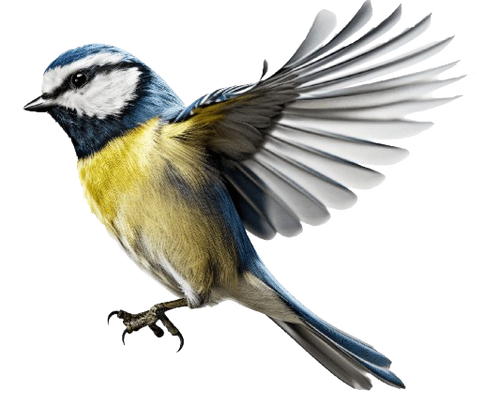
A repeat balcony visitor can usually be identified without a feeder in place at all, just by comparing its size to a known bird like a sparrow or a pigeon, noting its basic shape and colour pattern, watching how it moves, and listening for its call, since those five clues together narrow a Canadian city balcony bird down to one of a small, predictable list of species.
What’s the Fastest Way to Narrow Down an Unfamiliar Balcony Bird?
Size and shape come first, before colour. Comparing the bird to a sparrow, a robin, or a pigeon as a mental ruler rules out most of the wrong answers in seconds, and shape, a plump rounded body versus a slim upright one, a fan shaped tail versus a long pointed one, is visible even in poor light or when the bird is backlit against the sky. Colour pattern, especially on the head and breast, and behaviour, constant head bobbing versus a quick hop versus a still upright perch, confirm the identification once size and shape have already narrowed the list. A distinctive call is often the very first clue, arriving before the bird is even in view.
What Birds Are Most Likely to Show Up on a Canadian City Balcony?
A short list covers most sightings. Rock pigeons are stocky, grey, and strut or bob their heads while walking; mourning doves are slimmer with a long pointed tail and a low, mournful cooing call, and are the species most often mistaken for a pigeon at a glance. House sparrows are small, chunky, and grey crowned with a black throat patch on the male, often appearing in noisy little groups, while European starlings are dark, iridescent, and give a varied, chattering, sometimes mimicked call. A house finch or a black capped chickadee shows up less often, usually where there’s a nearby tree, plant, or a neighbour’s feeder pulling it past the building. Birding tips for condo dwellers covers setting up a balcony feeder in full, for anyone who wants to draw a visitor in rather than just identify it in passing.
Does the Time of Day or Season Give Any Clues?
Yes. A bird appearing at the exact same time each day is often commuting past a nearby feeding or roosting spot rather than visiting the balcony itself, which is a useful clue when nothing on the balcony would otherwise draw it in. Season narrows things further, since a year round resident like a pigeon, sparrow, or starling can show up any month, while a bird appearing only for a few weeks in spring or fall is more likely passing through on migration.
What Equipment Makes a Balcony Identification Easier to Confirm?
A close focusing pair of binoculars is the single most useful tool for a balcony sighting, since the bird is often only a few feet away rather than across a yard. The Vortex Vanquish 10x26 Binoculars, priced at $189.00, focus down to about 7.6 feet and weigh under a pound, suited to confirming field marks at exactly that short a range. A compact reference shortens the search further, and the Peterson Field Guides to Feeder Birds of Eastern North America, priced at $14.95, orders species from most to least commonly seen rather than covering every bird in the region, which matches the small, predictable list a balcony actually attracts.
Is There a Low Commitment Way to Draw the Bird Closer for a Better Look?
Yes, a window mounted feeder requiring no railing or pole gives a repeat visitor a reason to land close enough to confirm an identification. The Perky Pet Window Feeder, priced at $21.95, suction mounts directly to the glass, making it a reasonable trial for anyone unsure whether they want a permanent balcony setup.
Frequently Asked Questions
Is a Repeat Visitor Usually a Pigeon or a Mourning Dove?
Either is common, and the two are the most frequently confused pair on a city balcony. A mourning dove is slimmer with a long pointed tail and a soft cooing call, while a pigeon is stockier with a fan shaped tail and a more varied, lower coo.
Can a Bird Be Identified Without Ever Seeing It Up Close?
Often, yes, since call and behaviour alone can confirm a species before a clear look is possible. A low, mournful cooing points to a mourning dove, while a constant head bob while walking points to a pigeon, regardless of lighting or distance.
Is there a minimum order for free shipping?
Yes. Most Canadian orders over $125 ship free, and anything below that is charged standard shipping at checkout.