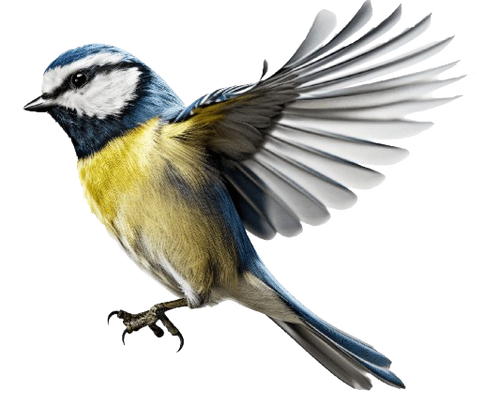
A Southern Ontario winter feeder most often draws year round residents such as black capped chickadees, northern cardinals, and blue jays, alongside visitors that arrive only once their own breeding range turns colder than Ontario, including dark eyed juncos and American tree sparrows. How many of each appear depends on the severity of the season.
Why do more bird species appear at feeders once winter sets in?
Dark eyed juncos and American tree sparrows breed in the boreal forest or the arctic and move into southern Canada specifically for winter. Year round residents such as chickadees and cardinals stay put but lean more on feeders once snow buries natural seed.
Which year round residents are most likely to appear?
Black capped chickadees, northern cardinals, blue jays, white breasted nuthatches, and downy woodpeckers stay in southern Ontario year round. The Armstrong Woodpecker Suet Cake, a rendered beef fat cake blended with corn, milo, and sunflower seed, is labeled as drawing woodpeckers, chickadees, jays, and nuthatches.
Which birds arrive at a feeder only once the weather turns cold?
Dark eyed juncos and American tree sparrows are the two most common winter only arrivals at a feeder, feeding mostly on the ground. The Deck and Ground Tray Feeder sits low enough for these birds to reach, while Black Oil Sunflower, listed as popular with sparrows, doves, and finches, keeps that tray filled.
What should a winter feeder hold to keep goldfinches coming?
American goldfinches stay in southern Ontario through winter but trade bright yellow for duller olive plumage, often passing as a different species at a feeder. A mesh body built to hold tiny nyjer seed forms the Metal Mesh Nyjer Thistle Bird Feeder, listed as drawing finches and sparrows.
Frequently Asked Questions
Does the suet cake need a special feeder?
Yes. It is designed for a wire suet cage or a hopper feeder with a built in suet cage, not an open tray.
Where should a ground tray be placed for juncos and sparrows?
Within a few feet of shrub or brush cover, since these birds feed in the open but retreat quickly if startled.
Does a ground tray need more frequent cleaning than a hanging feeder?
Yes. Seed at ground level sits closer to droppings and wet snow, so clearing it out every few days keeps it usable.
Do the same winter finches show up every year?
Not always. Pine siskins and common redpolls move through southern Ontario in some winters and skip the region in others, depending on seed crops farther north.
Do these species appear at feeders outside southern Ontario?
Many of them do. Chickadees, blue jays, and dark eyed juncos winter across most of southern Canada, though the exact mix shifts further north and on the coasts.