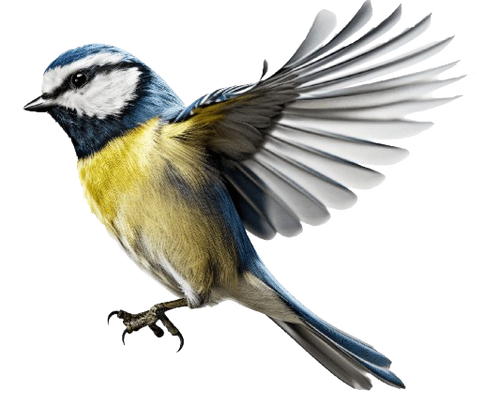
A bird call clock is a wall clock that plays a different birdsong on the hour instead of chiming or beeping, using a built-in speaker and a light sensor that keeps it quiet overnight. Whether it sounds realistic or gimmicky comes down mostly to the specific model and how closely its recordings match real calls, but the better-known versions pair each hour with a named species and a reference guide, which is closer to a casual identification tool than a novelty noisemaker.
How Does a Bird Call Clock Actually Work?
A bird call clock runs on batteries rather than a plug, with the Mark Feldstein Singing Bird Clock lineup using 3 AA batteries that aren't included in the box. Each of the 12 hour positions is tied to one bird species, and the clock plays that species' call once an hour as the hour hand reaches it, cycling through the full set of songs over a 12-hour period. A light sensor built into the clock face detects when a room goes dark and switches off the hourly calls automatically, so the clock stays silent overnight without needing to be muted by hand.
Which Birds Does a Bird Call Clock Typically Feature?
The Mark Feldstein Singing Bird Clock plays 12 North American species, one per hour: American robin, American goldfinch, pileated woodpecker, black-capped chickadee, blue jay, common loon, Baltimore oriole, purple martin, eastern screech-owl, northern cardinal, white-breasted nuthatch, and bald eagle. That mix leans toward birds that are either common backyard visitors, such as the chickadee and cardinal, or distinctive enough by sound alone to be instantly recognizable, such as the loon's call and the screech-owl's trill.
Is the Birdsong Realistic, or Does It Sound Synthesized?
Whether a bird call clock's audio reads as realistic depends on the manufacturer's source recordings, and the Mark Feldstein clock pairs each hour with a printed reference card describing that bird's habits and habitat, which points to the calls being treated as an identification aid rather than a generic sound effect. A clock built around a single repeating chime or a vaguely bird-like whistle, by contrast, is the version most likely to come across as a gimmick rather than something a birder would actually use to learn calls. Buying from a line that names its featured species explicitly, as the Mark Feldstein clocks do, is the clearest sign a clock takes the recordings seriously rather than treating them as background noise.
Which Size Should I Buy?
The Mark Feldstein Singing Bird Clock comes in two sizes that share the same 12 species and light-sensor feature, so the choice comes down to where the clock will hang and how visible the dial needs to be.
|
Product |
Price (CAD) |
Size |
Shared features |
|---|---|---|---|
|
$44.95 |
8 inches |
12 species, light sensor, 3 AA batteries (not included) |
|
|
Check product page for current price |
13 inches |
Same 12 species, light sensor, 3 AA batteries (not included) |
Frequently Asked Questions
Does a bird call clock make noise all night?
No. A built-in light sensor turns off the hourly birdsong once the room goes dark, so it stays silent overnight without needing to be switched off by hand.
Do bird call clocks run on electricity or batteries?
Batteries. The Mark Feldstein Singing Bird Clock runs on 3 AA batteries, which aren't included, so no outlet or cord is needed.
Can a bird call clock help with learning bird calls?
It can, especially paired with the printed reference guide some models include, since hearing a consistent recording tied to a named species builds a reference point for recognizing that call elsewhere.
Do all bird call clocks feature the same species?
No. The specific lineup of 12 birds varies by model and manufacturer, so it's worth checking which species are included before buying if particular birds matter.
Is a bird call clock loud enough to be disruptive indoors?
It can be in a small or quiet room, since the point of the clock is an audible call once an hour; placing it somewhere with some ambient background noise, rather than directly over a desk or bed, keeps the hourly calls from feeling intrusive.