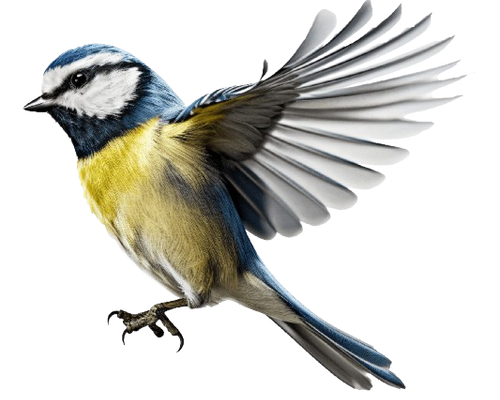
The best way to prepare a backyard for spring nesting season in Ontario is to have nest boxes cleaned and mounted, nesting material and a water source available, and any predator guards in place before birds start scouting sites in late winter or early spring, since most cavity-nesting species claim a location well before eggs are laid.
When Should Nest Boxes Be Cleaned and Put Up for Spring?
Nest boxes should be cleaned out and mounted before birds start scouting sites in late winter or early spring, since many cavity-nesting species, including chickadees and tree swallows, begin checking potential nest sites well before eggs are laid. Interior grooves that help a fledgling climb out are built into the Backyard Nesting Box, a red cedar box with a 1 1/4 inch entrance sized for many common cavity nesters, which is worth emptying of old material and checking over before it goes back up each year.
What Nesting Material Helps Birds Build in Spring?
Natural fibers left out in a suet cage or similar holder give nesting birds material they would otherwise have to search for further afield. The Canadian Wool Nesting Material, sourced from a farm in Napanee, Ontario, is meant to be filled into a suet holder and hung from a tree, giving birds an untreated, chemical-free fiber to line a nest with.
Do Nest Boxes Need Predator Guards Before Nesting Season?
A nest box benefits from a predator guard before nesting season, since raccoons and larger birds can enlarge an unprotected entrance hole to reach eggs or nestlings once a box is in use. Installing directly over an existing entrance hole, the Galvanized Predator Guard, 1 1/8" adds a galvanized steel barrier that keeps the opening at its original size, resisting the kind of gnawing or clawing that widens an unprotected hole over a season.
Is a Water Source Important During Nesting Season?
A water source becomes more important during nesting season than at almost any other time of year, since adult birds need it both for drinking and for keeping feathers in condition while making repeated trips to and from the nest, and fledglings rely on a nearby source once they leave the box. That daily need is easy to meet with something like the Deck Rail Birdbath, which clamps onto a standard deck rail and works well placed in a shaded spot near feeding areas or trees, refreshed regularly and kept clean to avoid bacterial buildup.
Should Extra Protein Be Offered to Birds During Nesting Season?
Extra protein is worth offering during nesting season, since adult birds feed insects and other protein-rich food to nestlings rather than seed, and few natural insects are available yet in early spring in Ontario. Mealworms 7oz. Standup Pouch, described as a source of protein for insect-eating birds, offers a dried supplement that can be set out on a platform or in a dedicated feeder while natural insect populations are still building for the season.
Is There a Nesting Option for Birds That Don't Use a Box?
Birds that nest in the open, such as robins and swallows, need a ledge or shelf rather than an enclosed box, since they build a cup-shaped nest on a flat surface instead of inside a cavity. The Cedar Select Robin Roost offers exactly that kind of ledge, giving robins and other ledge-dwelling species a nesting spot away from a porch or doorway where a nest might otherwise end up.
What Yard Habits Should Be Avoided During Spring Nesting Season?
A few common yard habits work against nesting birds if they continue into spring:
- Trimming or removing dense shrubs and hedges just as birds are choosing nest sites, which eliminates cover before eggs are even laid.
- Applying pesticides or herbicides in areas where birds forage for insects to feed nestlings.
- Leaving cats to roam unsupervised near nest boxes or low shrubs where fledglings are learning to fly.
- Mowing or disturbing brush piles and garden edges where ground-nesting or low-nesting species may already be sitting on eggs.
Frequently Asked Questions
How Early Should Nest Boxes Go Up Before Spring in Ontario?
Nest boxes are best put up by late winter, since some species begin investigating cavities well before nesting actually begins, and a box already in place gives birds time to find and claim it before competition for good sites picks up in early spring.
Does Cleaning Out a Nest Box Disturb Birds That Already Used It?
Cleaning out a nest box does not disturb birds that already used it, as long as it is done between nesting seasons rather than while eggs or nestlings are present; removing old material after the previous season's brood has fledged and before a new season begins is the appropriate window.
What Should Be Avoided When Choosing Nesting Material for Birds?
Dryer lint, string longer than a couple of inches, and pet fur treated with flea or tick products should all be avoided as nesting material, since they can trap or injure nestlings or introduce chemicals into the nest; natural, untreated fiber, like the wool described above, avoids those risks.
Do All Backyard Birds Use a Nest Box?
Not all backyard birds use a nest box; cavity nesters such as chickadees, tree swallows, and wrens will use one readily, while open nesters such as robins build on a ledge or in a shrub instead, which is why a yard benefits from both a box and open cover rather than a box alone.
How Can Fledglings Be Helped Once They Leave the Nest?
A fledgling on the ground shortly after leaving the nest is usually still being fed and watched by a parent nearby, so the most helpful response is to keep pets and people at a distance rather than intervening, since a young bird spending time on the ground while learning to fly is normal rather than a sign it needs rescuing.