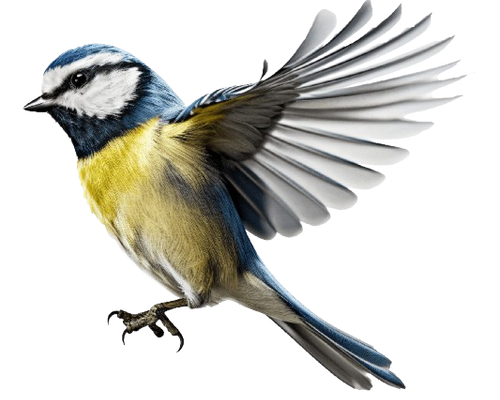
Safflower seed paired with a squirrel-resistant cage feeder attracts the most colourful backyard birds overall, since it is the top pick for cardinals while also holding up against squirrels, grackles and sparrows. For a fuller range of colour, cardinals need safflower or sunflower hearts, goldfinches need Nyjer, orioles need jelly and nectar, and hummingbirds respond to red feeders filled with sugar-water nectar. Matching the right seed to the right feeder is what turns a plain backyard into a stop for red, yellow, orange and iridescent birds. The full seed line up behind every recommendation below is in the Bird Seed collection.
What seed attracts the most cardinals?
Safflower is the seed most likely to bring cardinals to a feeder. The small white, thin-shelled seed is a favourite of cardinals, nuthatches and chickadees, and it has the added benefit of being disliked by squirrels, grackles and sparrows, so more of it ends up eaten by the birds it was bought for. Safflower also does not require a special feeder; it can go in any feeder already set up for sunflower seed.
For a second option, sunflower hearts leave no shells on the lawn and are especially popular with cardinals, chickadees and finches. Because the hulls are already removed, it takes a full 75 pounds of black oil sunflower seed to match the feeding value of just 25 pounds of sunflower hearts, which makes the hearts a strong per-pound value for a feeder that gets refilled often.
Birds that regularly visit a safflower feeder include:
- Cardinals
- Chickadees
- Nuthatches
- Rose-breasted grosbeaks
- House finches
- Mourning doves
Which feeder works best for cardinals?
A wide-perch, squirrel-resistant feeder works best for cardinals, since the birds need room to sit and feed rather than cling. The Red Cardinal Wild Bird Feeder is built from metal with a large feeding surface designed to stand up to squirrels and other pests while still giving cardinals an easy landing spot. For a broader line up of cage, hopper and platform styles built for this species, the Cardinal Feeders collection covers the full range, and the Squirrel Proof Feeders collection covers heavier-duty options for yards with a lot of squirrel pressure.
What seed attracts goldfinches and other finches?
Nyjer seed, also called thistle seed, attracts the widest range of finches, including goldfinches. It is a non-germinating seed that is more expensive than most bird food, but the payoff is a large, reliable turnout of goldfinches. Squirrels rarely bother with it, which keeps more of it available for the birds. Nyjer needs a finch tube feeder with small ports or a thistle sock, since standard feeder openings are too large for the tiny seed.
For a blended option, the Finch & Friends Mix combines Nyjer, finely chopped sunflower hearts, white millet and canary seed. It is built specifically to attract goldfinches, purple finches and pine siskins, and it works in both standard finch feeders and feeders made for clinging birds only. The Birding Journey: Finches guide covers feeding habits for this group in more depth.
Which feeder works best for finches?
Tube feeders with small perches and mesh feeders built for fine sunflower hearts or Nyjer work best for finches, since goldfinches feed by clinging rather than perching flat. House finches and goldfinches will also feed comfortably at hopper and platform feeders stocked with sunflower hearts. Browse the full range in the Nyjer & Thistle Feeders collection, the Goldfinch Feeders collection, or the broader Finch Feeders collection.
What food and feeder attract orioles?
Orange halves, grape jelly and nectar attract orioles, since these birds feed on fruit and sugar rather than seed. A feeder built with cups for jelly or orange halves and a base for nectar covers all three at once. The Oriole Slice and Jelly Feeder is built from bright orange powder-coated steel with four perches, and it offers orioles a choice of oranges, jelly or mealworms in a single stop. The Fruit and Jelly Oriole Feeder is made from recycled material, holds four orange halves, and carries more jelly capacity than most comparable feeders. The Dish Poly Oriole Feeder w/Spikes adds a built-in ant moat alongside its jelly and orange cups.
For nectar, the Oriole Orange Powder Nectar mixes one part concentrate with three parts water and needs no boiling. One 8 oz package makes 40 oz of nectar and contains no artificial dyes or flavours. The full range of feeders, jelly and nectar for this species is available in the Oriole Feed collection, the Oriole Feeders collection, and the Birding Journey: Orioles guide.
What colour and nectar attract hummingbirds?
Red is the most effective feeder colour for attracting hummingbirds, since the birds can spot it easily from high in the sky while searching for food, and insects are far less drawn to red than hummingbirds are. That colour advantage is also why a red ribbon or bow tied to a feeder can raise hummingbird activity around it.
A hummingbird feeder should be hung at roughly chest height, in a spot sheltered from strong wind, since hummingbirds are used to feeding on flowers and shrubs at that level. The Glass Hummingbird Feeder holds 28 oz of nectar in a red, ant-moat-equipped design, the Leak-Proof Glass Hummingbird Feeder with Ant Moat offers six flower-shaped ports with bee guards, and the 32-ounce Hummingbird Feeder covers larger yards with more frequent visitors.
Hummingbirds are loyal to a reliable feeding site and will return to the same backyard year after year. Because male Ruby-throated Hummingbirds are territorial, putting out more than one feeder spreads them out and increases the number of birds a yard can host. Keeping the nectar fresh matters as much as the feeder colour, since hummingbirds avoid nectar that has started to ferment; the Hummingbird Food collection carries ready-to-use and concentrate nectar options. For a complete walkthrough, see Successful Hummingbird Feeding in Canada and the full Hummingbird Feeders collection.
What food attracts blue jays?
Peanuts, whether shelled or in the shell, are the top food for attracting blue jays. Sunflower seed, suet, and whole or cracked corn round out the rest of their diet. Whole Peanuts in the Shell are known to make blue jays visit a feeder daily, and the birds will call, or even scream, if the peanuts run out.
Because blue jays are larger birds, they need sturdy feeders such as platform or hopper styles that can support their weight. The Peanut Wreath Feeder is a particularly strong draw for this species and can be filled with peanuts in the shell. Blue jays also cache food for later, so a feeder stocked with peanuts often gets frequent repeat visits as the birds store supplies. The Peanut Feeders collection, the Blue Jay Feeders collection, and the Birding Journey: Blue Jay guide cover feeders and habitat tips sized for this species.
Frequently Asked Questions
Do colourful backyard birds need different feeders, or will one feeder work for all of them?
Different feeders work better for different species. Cardinals need a wide perch or cage feeder for safflower or sunflower hearts, finches need a small-port tube feeder or sock for Nyjer, orioles need a jelly-and-nectar feeder, and hummingbirds need a dedicated red nectar feeder. Running two or three feeder types side by side is the most reliable way to bring in a mix of colours at once.
What is the single best seed for attracting the widest range of colourful birds?
Sunflower hearts attract the widest range of species, since cardinals, chickadees and finches all feed on them and no shells are left behind on the ground. Safflower is the stronger single choice specifically for cardinals, since it also discourages squirrels, grackles and sparrows from crowding the feeder.
Will squirrels take over feeders meant for colourful birds?
Squirrels are far less likely to bother safflower or Nyjer feeders, since both seeds are low on a squirrel's list of preferred food. Black oil sunflower and sunflower mixes are more appealing to squirrels, so a squirrel-resistant cage or feeder is worth pairing with those seed types.
How long does it usually take for colourful birds to find a new feeder?
Birds rely on visual attraction and memory to locate feeders, and once a species finds a reliable food source it tends to return to that spot regularly. Placing feeders where they catch the light and keeping seed fresh and topped up gives new visitors the best chance of finding and returning to a feeder.