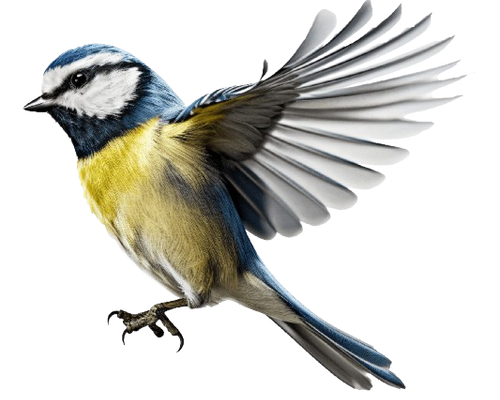
Backyard birds in an Ontario winter need high-fat foods such as suet, black oil sunflower seed, and unsalted peanuts, plus a reliable water source, since insects are scarce and short daylight hours limit how far birds can forage. The right combination of food and water keeps chickadees, nuthatches, woodpeckers, and cardinals returning to a yard through the coldest stretches of the season.
Why does suet matter most for winter bird feeding?
Suet is the single most important food for backyard birds during an Ontario winter because it delivers concentrated fat energy at a time when insects, the natural protein source for many species, are hard to find. Suet is rendered animal fat blended with seeds, nuts, fruit, or mealworms, and unlike loose seed, it stays soft enough to peck at even in sub-zero temperatures instead of freezing solid.
Birds most commonly seen at a winter suet feeder include:
- Woodpeckers
- Nuthatches
- Chickadees
- Wrens
- Cardinals
The Mill Creek Insect & Nut Suet Cake is a Canadian-made option formulated for exactly this kind of cold-weather feeding, and the Black Oil Sunflower Premium Suet is a good all-round choice for attracting a wide mix of species. The full suet cakes and blocks selection covers other Canadian-made formats as well.
What seed mix works best for Ontario winter birds?
Black oil sunflower seed is the best base seed for an Ontario winter feeding station because its thin shell is easy for small birds to crack open and its high fat content provides more usable energy per seed than most other options. A well-rounded winter seed lineup typically includes:
- Black Oil Sunflower seed, for the widest range of visiting species
- Squirrel Proof Wild Bird Seed, for yards where grey squirrels are a persistent problem
- Sunflower Hearts: No-Mess, No-Waste Birdseed, for feeders placed near patios or walkways where hulls would otherwise pile up
- Whole Peanuts in the Shell, for jays, woodpeckers, and other larger winter visitors
The complete bird seed range covers additional finch and mixed-seed options for rounding out a winter feeding station.
How do you stop squirrels from taking over winter feeders?
Squirrel-proof feeders stop squirrels from emptying a feeder by using a weight-triggered mechanism: the openings only line up with the feeding ports when a lightweight bird lands, and a squirrel's added weight shifts the shroud down, closing off access to the seed. This protects the food supply without harming the squirrel, which simply moves on to try elsewhere.
Common squirrel-proof options for a winter feeding station include:
- The Brome Squirrel Buster Plus Bird Feeder, a weight-activated tube feeder
- The Arundale Mandarin Squirrel Proof Feeder, a caged seed feeder sized to exclude squirrels
- The Squirrel Buster Suet Feeder, for protecting suet cakes specifically
The full squirrel-proof feeders collection includes further models built for this kind of exclusion.
Do backyard birds need water in an Ontario winter?
Yes, backyard birds need a reliable water source in winter as much as they need food, since natural water sources freeze over and birds still require water daily for drinking and for preening feathers into the aligned position that traps body heat. Searching for open water in a frozen landscape also burns energy that a bird would otherwise use to stay warm.
A heated bird bath solves this by keeping water from freezing through a thermostatically controlled heating element. The Songbird Heated Bird Bath is built to keep water open down to about -23 degrees Celsius, while the Allied Precision 20-Inch Heated Bird Bath uses a 150-watt element that cycles the water temperature between roughly 5 and 10 degrees Celsius.
The full heated bird baths collection and the separate de-icers range both offer options sized for decks, poles, or ground placement.
What should be avoided when feeding birds in winter?
The main things to avoid are letting seed and hulls build up under a feeder and letting suet or seed sit long enough to get wet or moldy, since both conditions can attract pests and spread disease among visiting birds. Clearing spilled seed regularly and keeping feeders clean supports healthier, more consistent visits from the birds a feeding station is meant to attract.
Frequently Asked Questions
Does suet freeze in freezing temperatures?
No. Suet is formulated to stay soft enough for birds to peck at even in sub-zero temperatures, unlike loose seed, which can freeze or clump in wet winter conditions.
Which birds are most likely to visit a winter suet feeder?
Woodpeckers, nuthatches, chickadees, wrens, and cardinals are the species most commonly drawn to a suet feeder during the winter months, since suet offers the concentrated fat energy that replaces the insects they would normally eat.
What makes a bird feeder squirrel-proof?
A squirrel-proof feeder uses a weight-triggered shroud or cage: a bird's light weight allows normal access to the feeding ports, while a squirrel's greater weight closes those ports off, keeping the feeder's seed supply intact.
How cold can a heated bird bath keep water from freezing?
It depends on the model. Some heated bird baths, such as the Songbird Heated Bird Bath, are built to keep water from freezing down to about -23 degrees Celsius, while other models use lower-wattage elements suited to milder cold snaps.
Why do birds need water in winter, not just food?
Birds need water year-round for drinking and for preening their feathers into proper alignment, which is what allows the feathers to trap body heat effectively. In winter, frozen natural water sources make a heated bird bath one of the most useful additions to a backyard feeding station.