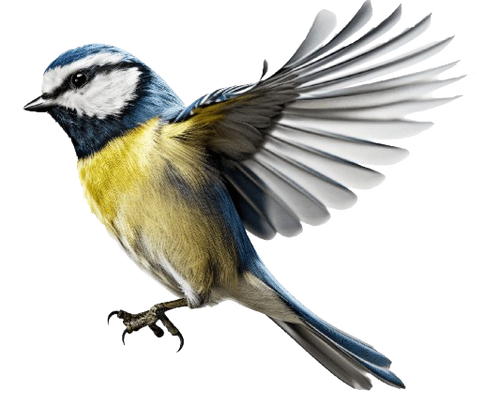
A sudden jump in backyard bird activity is usually one of four things: a migration wave passing through, a weather front pushing birds down and concentrating them in one spot, an irruption year for winter finches, or simply a new feeder or food source drawing in a local flock that was already nearby.
What Are the Most Common Reasons a Yard Suddenly Fills With Birds?
Each cause has a different timeline and a different group of species attached to it, which is usually the fastest way to tell them apart. A migration wave is tied to a specific few weeks in spring or fall and brings species passing through rather than staying. A weather front is sudden and short, often lining up with a storm or temperature drop. An irruption year is tied to a poor seed crop further north and can last an entire winter. A new feeder effect is tied to timing a feeder was filled or added, not to the weather or calendar at all.
Could It Be a Migration Wave Passing Through?
Yes, especially during peak spring or fall migration windows, when a large number of birds can move through a single area within a day or two of favourable wind and weather. This kind of event, sometimes called a fallout, happens when migrating birds that have been flying overnight land in whatever cover and food is available at daybreak, which can briefly turn an ordinary yard into a stopover site. A field guide like Birds of Ontario, priced at $29.95, helps identify species that may not normally be seen at a feeder, since a migration wave often brings birds through that don’t stick around the rest of the year.
Could a Weather Front Be Pushing Birds Down Into Yards?
Yes. A sudden cold snap, strong wind, or storm front can push migrating or wintering birds out of more exposed areas and concentrate them in yards with reliable food and shelter, since birds burn through energy reserves faster in bad weather and need to feed more often to compensate. A high energy option like Mill Creek Insect and Nut Suet Cake, priced at $6.75, gives birds a denser fuel source exactly when a weather driven influx is putting the most feeding pressure on a yard.
Is This an Irruption Year for Winter Finches?
It might be, particularly if the new arrivals are finches like Pine Siskins, Common Redpolls, or Evening Grosbeaks showing up in winter. What Does an Irruption Year Mean? Covers the definition in full: an irruption happens when a poor seed crop further north pushes these species south in search of food, in numbers well above a typical winter, rather than repeating that explanation here.
Did Putting Out a New Feeder or Food Cause This?
Possibly, if the timing lines up with when a feeder went up or got refilled rather than with any particular week in the migration or weather calendar. A high draw, general purpose seed such as Black Oil Sunflower, priced from $10.95, tends to pull in a wider range of species quickly once local birds find it, which can look like a sudden influx even though nothing about the weather or season actually changed.
Frequently Asked Questions
Is a Sudden Increase in Backyard Birds Something to Worry About?
No. A sudden jump in activity is almost always a normal seasonal or weather driven event rather than a sign something is wrong in the yard.
How Long Does a Sudden Flock Usually Stick Around?
It depends on the cause. A migration wave often clears out within a few days as birds continue on, a weather driven influx usually eases once conditions improve, and an irruption year can last for the entire winter season.
Is There a Way to Identify What Showed Up?
A field guide covering the local range is the most reliable option, since an unusual visitor during a migration wave or irruption year may not be a bird normally seen at the feeder the rest of the year.
Is there a minimum order for free shipping?
Yes. Most Canadian orders over $125 ship free, and anything below that is charged standard shipping at checkout.