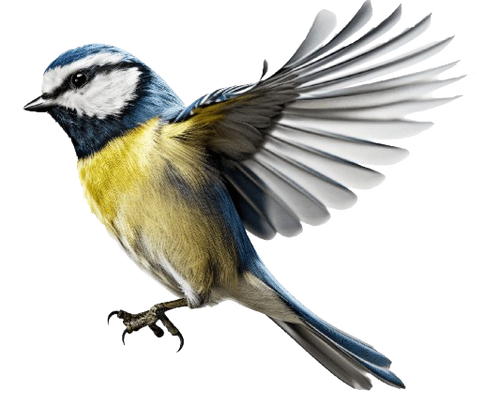
When Canadians think about feeding wild birds in winter, they often picture snow-covered gardens, frozen landscapes and cardinals searching for food beneath the snow. But winter bird feeding is important even during relatively mild winters when snowfall is limited.
For wild birds, winter survival involves much more than finding food beneath the snow. Freezing rain, strong winds, fluctuating temperatures and declining natural food supplies can create significant challenges. Even when the ground is bare, backyard birds can struggle to find the nutrition and fresh water they need to survive.
Providing supplemental human-assisted food, fresh water and suitable shelter can make residential backyards important refuges for birds throughout the Canadian winter.
Why Winter Is Challenging for Wild Birds
Birds must maintain a relatively stable body temperature, even when outdoor temperatures drop well below freezing. This requires considerable energy, particularly for smaller species such as chickadees, goldfinches, nuthatches and woodpeckers.
Unlike mammals, birds cannot rely on stored body fat alone to survive extended periods without food. Many backyard birds need to feed regularly throughout the day to replenish the energy they use maintaining body temperature and remaining active.
Several winter conditions can make finding food particularly difficult:
Freezing Rain and Ice: Freezing rain can coat branches, berries, seed heads and other natural food sources with ice. Even a thin layer of ice can make seeds and insects inaccessible. It can also cover the surfaces where birds normally forage.
Strong Winds: Wind increases heat loss and makes it more difficult for birds to conserve energy. During particularly windy conditions, birds may spend more time seeking shelter and less time searching for food.
Declining Natural Food Supplies: By midwinter, many natural food sources have been depleted. Insects are less available, berries have been eaten, and seeds from native plants may be difficult to access. A mild winter does not necessarily mean an abundant supply of natural food.
These conditions explain why maintaining backyard bird feeders throughout winter is beneficial, regardless of how much snow is on the ground.
Choosing Nutritious Winter Bird Food
Not all bird foods provide the same nutritional value. During winter, foods rich in fats and oils are particularly valuable because they provide concentrated energy.
Consider offering a variety of foods to attract different backyard species.
Sunflower Hearts
Sunflower hearts are sunflower seeds with their outer shells removed. They provide the nutritional benefits of sunflower seeds without the shells, making them an excellent no-mess feeding option.
Because birds do not need to spend time removing the shells, sunflower hearts are particularly convenient during cold weather when conserving energy is important.
Cardinals, chickadees, finches, nuthatches and woodpeckers are among the species attracted to sunflower seeds.
Suet and Other High-Fat Foods
Suet is one of the most valuable foods to offer during winter. Its high fat content provides concentrated energy that helps birds meet their increased nutritional requirements during cold weather. Mill Creek Insect & Nut Suet Cake and Garden Friendly Premium Suet.
Woodpeckers, chickadees, nuthatches and other backyard visitors readily consume suet. Offering suet in an appropriate feeder provides birds with another nutritious food source when natural supplies are limited. Songbird Essentials Recycled Composite Plastic Suet Feeder w/Tail Prop.
Peanuts
Unsalted peanuts are another excellent winter food. They provide fats and protein and are particularly attractive to woodpeckers, blue jays and nuthatches.
Offering several types of food helps support a greater variety of backyard birds.
Fresh Water Is Just as Important as Food
One of the most overlooked aspects of winter bird feeding is providing access to fresh water.
Birds require water for drinking and maintaining healthy feathers. Clean feathers are particularly important during winter because they help provide insulation against cold temperatures.
Unfortunately, natural water sources such as ponds, puddles and shallow streams frequently freeze, limiting access to drinking and bathing water.
A heated bird bath is one of the most effective ways to provide accessible water throughout winter. Heated bird baths and thermostatically controlled bird bath heaters help prevent water from freezing, allowing birds to drink even when temperatures fall below zero.

A Simple Winter Water Solution
If a heated bird bath isn't available, homeowners can try placing a shallow bowl of fresh water outdoors in a sunny, sheltered location during the morning.
Direct sunlight may help keep the water liquid longer, particularly on milder winter days. Use a shallow, stable container with approximately one to two inches of water. A few stones or a rough landing surface can help birds access the water safely.
Check the bowl regularly, replace the water as necessary and remove it when it freezes. This is a simple way to provide birds with an additional water source without investing in specialized equipment.
Other Ways to Help Backyard Birds Survive Winter
Food and water are essential, but providing a safe environment is equally important.
Here are several additional ways homeowners can support winter birds:
- Provide natural shelter: Evergreen trees and shrubs offer protection from wind, precipitation and predators.
- Leave some natural vegetation: Seed-bearing flowers, native grasses and berry-producing shrubs provide valuable natural food sources.
- Position feeders strategically: Place feeders near protective cover, while allowing enough distance from shrubs and structures that could provide hiding places for predators.
- Keep feeders clean: Regularly clean feeders and remove wet, spoiled or mouldy seed to help reduce the risk of disease.
- Maintain a consistent feeding routine: Once birds discover a dependable food source, keeping feeders supplied helps provide a reliable feeding opportunity throughout winter.
- Provide New Shelter: Add additional winter roosts to provide bird with new short-term shelter for birds during harsh weather

Make Your Backyard a Winter Refuge for Birds
Winter conditions can be unpredictable. A season with very little snow can still bring freezing rain, strong winds and prolonged periods when natural food and water sources are unavailable.
Providing nutritious bird food, particularly sunflower seeds, sunflower hearts and suet, along with accessible fresh water and protective shelter, can help backyard birds meet their daily survival requirements.
Whether you have a large backyard, a small garden, a balcony or simply a window feeder, there are many ways to make a positive contribution to local bird populations.
At Urban Nature Store, we believe supporting backyard wildlife is a year-round commitment. Explore our selection of premium bird seed, suet, bird feeders, heated bird baths and birding accessories at one of our 10 local locations or online at UrbanNatureStore.ca.
Related Reading
For more winter bird-feeding tips, read Feeding Birds Through Frost – My Winter Readiness Checklist.