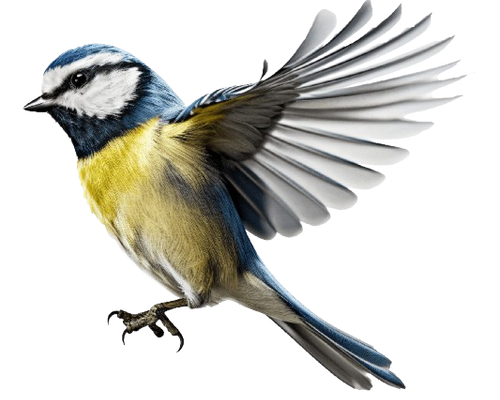
Animals can do some pretty incredible things, but perhaps no feat in the animal kingdom is more spectacular than the twice-yearly journey of migratory birds. From pole-to-pole flights to extreme physical transformations, here are some of their most impressive feats.
1. It’s a marathon
While most species of migratory birds in Canada overwinter within the Americas, some species go even farther. For sheer distance, nothing beats the Arctic Tern, which spends the summer in the Canadian Arctic before heading south – way south – to overwinter in Antarctica. With an overall annual distance of nearly 80,000km (close to the full circumference of the earth), they can fly the equivalent of several trips to the moon and back in their lifetimes.

2. Migration can be deadly
Migration may be necessary, but it’s also hazardous to birds, millions of whom die during their migrations each year. Hunting and predation are major threats, as are window strikes and habitat loss. As the climate changes, however, and birds become more adapted to the urban environments, however, some individuals and groups (Canada Geese and Red-tailed Hawks, for example) are choosing to abandon migration altogether.

3. They fly by night
Many species of birds (particularly smaller ones like songbirds) migrate mostly at night. There are several reasons for this, among them the ability to more easily hide from predators and less turbulence caused by warm air thermals rising from the ground. It is also believed, however, that birds migrate at night because they use the stars for navigation. On clear nights in the spring, train your binoculars or telescope skyward and you might be lucky enough to spot some of these migrants silhouetted against the moon.

4. They’re extreme athletes
Birds must transform their bodies to prepare for their journeys, sometimes in extreme ways. In addition to shedding their old feathers and growing new ones before each migration (a process called moulting) they also gorge themselves on food. This instinct, called hyperphagia, helps birds put on fat to sustain them on their journey. This transformation can also see their wing muscles grow and internal organs shrink to make them more efficient fliers.
5. Migration isn’t just a trip from A to B
While most migrations are seasonal trips from north to south and back again, not all species’ migrations follow such a linear pattern. Waxwings, for example, are nomadic birds that move across the continent throughout the year following the availability of their favourite fruits and berries.
Happy Birding!
Urban Nature Store