A backyard that helps birds through the year offers more than a feeder. A serviceberry with fruit in summer, a patch of native flowers buzzing with insects, a shallow water source and a sheltered place to rest can turn an ordinary Ontario garden into useful habitat.
You can start with a small yard or a few containers. The aim is to provide food, water and cover in ways that match your space, then build on what works. Birds will use the garden differently through spring migration, nesting season, autumn and winter.

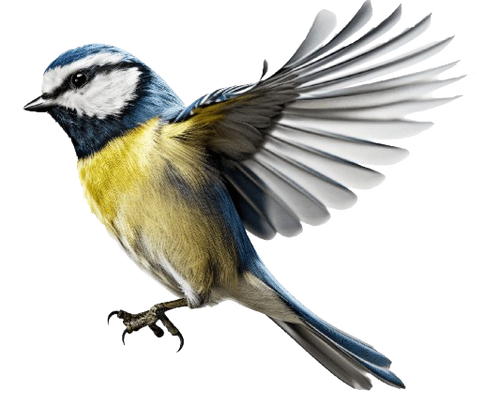
A songbird perched among hanging flowers. Gardens with varied vegetation offer places to rest and forage.
Begin with plants suited to your part of Ontario
Native plants are a strong foundation because they support local insects and, depending on the species, supply fruit, seeds and cover. Choose plants for your region, sun exposure and soil moisture. A native species suited to a southern Ontario garden may not be suitable farther north.
For a site-specific starting point, use the City of Toronto’s native plant selection guide. For a wider southern Ontario reference, the Toronto and Region Conservation Authority also publishes a bird-garden plant list.
Build a layered planting plan
Start with a small tree or tall shrub, add a few medium-height shrubs, and fill the gaps with flowers and grasses. Different heights give birds more routes through the garden and places to hide from weather and predators.
- Serviceberry (Amelanchier species): spring flowers and summer fruit, with species choice based on your local conditions.
- Red-osier dogwood (Cornus sericea): shrubby cover and fruit; often suited to sites with adequate moisture.
- Common elderberry (Sambucus canadensis): flowers and fruit for wildlife in suitable southern Ontario locations.
- Wild bergamot and native asters: flowers that support pollinators and the insects many birds need, particularly while raising young.
Use locally sourced, non-invasive plants when possible. Leave some standing stems and seed heads into autumn, and keep a modest patch of leaf litter beneath shrubs where it will not create a drainage or fire concern.

A Baltimore Oriole among leafy branches. Trees and shrubs provide valuable perching and shelter space.
Offer food without relying only on birdseed
Birds use backyard habitats for different foods. Some pick insects from foliage, others eat berries or seeds, and insect-eating species may visit more often when the garden provides nesting cover and healthy plant life. Avoid broad-spectrum insecticide use when you can manage pests through less disruptive methods.
A supplemental feeder can help where it is permitted and properly maintained. For example, the dried mealworm feeder below offers a targeted feeding option, but dried mealworms are not a replacement for native plants and the live insects they support.
Urban Nature Store carries the Perky-Pet Dried Mealworm Bird Feeder with Flexports. Its covered ports are designed for dried mealworms, and the removable lid makes cleaning and refilling easier.

Perky-Pet Dried Mealworm Bird Feeder with Flexports.
Add fresh water and keep it clean
A shallow birdbath gives birds a place to drink and bathe, including species that may never use a seed feeder. Put it where birds can spot approaching danger but still reach nearby cover. Change the water often, scrub the basin regularly, and avoid letting algae or droppings accumulate.

A Mourning Dove at a garden birdbath. Fresh water adds another useful habitat feature.
For a hanging option, the Hummingbird Ceramic Hanging Bird Bath has a textured basin and can fit a small garden or patio. The name refers to the design; it should not be taken as a guarantee that hummingbirds will use it.

Hummingbird Ceramic Hanging Bird Bath.
Moving water is another option where the basin is suitable and deep enough for the pump. Keep the unit clean and do not allow it to run dry.
The Backyard Essentials Solar Birdbath Bubbler operates in sufficient sunlight and has interchangeable nozzles. Check that the spray stays inside the bath, especially on windy days.

Backyard Essentials Solar Birdbath Bubbler.
Keep a winter water source where practical
In an Ontario cold spell, unfrozen drinking water can be hard for birds to find. A heated birdbath can help, provided it is installed according to the manufacturer’s electrical and outdoor-use guidance. Keep cords and outlets weather-safe, and clean the basin even in winter.
One option is the Farm Innovators 3-in-1 Heated Bird Bath, Green. Its 75-watt thermostatically controlled heater is built into a removable bowl with ground, deck and rail mounting options.

Farm Innovators 3-in-1 Heated Bird Bath, Green.
Provide shelter and nesting opportunities
Dense shrubs, evergreen branches, brush piles where permitted, and mature trees give birds places to escape wind and disturbance. Keep cats indoors or safely enclosed and avoid unnecessary pruning during active nesting periods. Before pruning, check carefully for nests.
A nest box may help some cavity-nesting species, but location matters. Eastern Bluebirds favour open areas with scattered trees and low vegetation, not every shaded suburban backyard. Follow species-specific dimensions, monitoring and placement recommendations, and protect boxes from predators.
For suitable open habitat, the Aspen Song Bluebird Nest Box is a possible choice. Confirm entrance dimensions and local nesting requirements before installing it, rather than treating any birdhouse as suitable for every species.

Aspen Song Bluebird Nest Box.
For siting and monitoring guidance, consult Cornell NestWatch’s nest box placement recommendations.
Make the yard safer for the birds that visit
Reflective windows, outdoor cats, pesticides and neglected feeders can undo some of the benefits of a planted garden. Place feeders with window-collision risk in mind and add effective exterior window markings where needed. Keep seed dry and clean feeders regularly, removing spilled food beneath them.
Birds Canada provides further guidance on helping birds and preventing window collisions.
A seasonal backyard checklist
Spring
- Plant regionally appropriate native shrubs and perennials when soil conditions permit.
- Check for nests before trimming branches or clearing brush.
- Clean birdbaths and feeders and inspect them after thawing.
Summer
- Refresh birdbath water frequently and scrub the basin.
- Watch for drought stress in young native plants, watering as needed.
- Avoid insecticides that remove the insects young birds depend on.
Autumn
- Leave selected seed heads and sheltered leaf litter in place.
- Add shrubs or trees suited to fall planting conditions.
- Check feeder roofs, drainage and hanging hardware before snow arrives.
Winter
- Keep feeders clean, dry and stocked only as needed.
- Provide safe access to liquid water if using a heated bath.
- Leave shrub cover and standing stems undisturbed where practical.
Frequently asked questions
Can a small Ontario backyard support birds?
Yes. A small patch of native shrubs, flowers and water can add useful habitat, particularly when neighbouring yards also have trees and gardens. Start with plants that match your light and soil conditions.
Will a bluebird nest box work in any backyard?
No. Eastern Bluebirds generally prefer open habitat. In a shaded yard, choose shelter and planting first, then research boxes suitable for the birds already using the area.
Should I feed birds all year in Ontario?
Feeding can be optional. Natural plant foods, insects and safe cover should come first. If you maintain feeders, clean them, monitor for disease and keep spilled food from building up.
How can I make a birdbath safer?
Use shallow water with secure footing, place it where approaching threats are visible, and change and clean the water frequently. Follow the manufacturer’s instructions for pumps and heated baths.
Start with one corner of the yard
Choose one place where you can add native vegetation, a clean water source and cover within reach. Watch which birds visit through the seasons, then adjust the space. A well-chosen shrub and a regularly cleaned birdbath can be a more useful beginning than filling the yard with equipment.