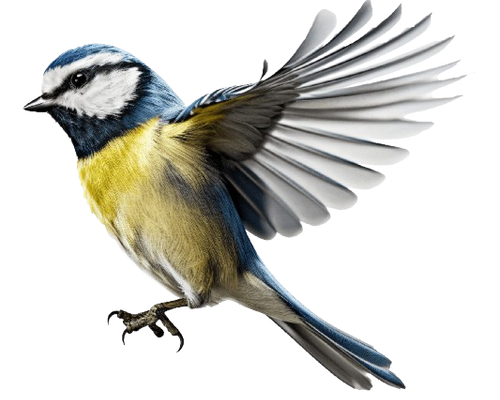
Winter in Canada is a beautiful but challenging season for wildlife. Snow blankets the landscape, temperatures drop well below freezing, and natural food sources like berries, seeds, and insects become scarce. For backyard bird enthusiasts, winter offers a unique opportunity to support local birds and enjoy their company up close. By providing high-quality food and feeders, you can help resident birds survive the harsh months and create a lively winter haven in your own backyard.
At Urban Nature Store, we’re passionate about helping Canadians feed and attract birds responsibly. In this guide, we explore the best foods for winter birding, highlight our popular No- Mess Sunflower Hearts, and share tips to make your backyard an essential stopover for feathered friends during the cold months.
Why Winter Feeding Matters
Winter is a critical time for birds. Harsh weather increases energy demands as birds work to maintain body heat. Without sufficient food, even resilient species like chickadees, finches, and woodpeckers struggle to survive. Providing high-quality food can:
- Help birds maintain energy and warmth
- Support overwintering species and early migrants
- Encourage a variety of birds to visit your feeders
Proper feeding also enhances the birdwatching experience. Winter feeders attract colorful and active species, turning your backyard into a miniature winter wonderland.
Top Foods for Winter Birds
Choosing the right food is essential to support birds’ nutritional needs in winter. Here are some of the best options:
1. Sunflower Hearts — The No-Mess Winter Favorite
At Urban Nature Store, our No-Mess Sunflower Hearts are a winter birding essential. Unlike traditional sunflower seeds with shells, sunflower hearts are fully hulled, meaning:
Birds get immediate access to high-energy nutrition without wasting time or effort
cracking shells.
There’s no mess from discarded husks on the ground, keeping your yard clean.
They appeal to a wide variety of birds, including chickadees, nuthatches, cardinals, grosbeaks, finches, woodpeckers, and blue jays
Sunflower hearts are rich in fats and protein, helping birds maintain body heat and energy during the coldest months. They work well in tube, hopper, and platform feeders, making them versatile for every backyard setup.
2. Black Oil Sunflower Seeds
Black oil sunflower seeds remain a classic choice for winter feeders. Their thin shells are easier for smaller birds to crack, and the high fat content provides essential energy. They attract a wide variety of species, including cardinals, finches, chickadees, titmice, and sparrows.
3. Suet Cakes
Suet is an excellent energy source for insect-eating birds like woodpeckers, nuthatches, and chickadees. Suet cakes can be hung in cages or mesh feeders and may include added ingredients like peanuts, berries, or seeds. They provide concentrated calories that are vital during extremely cold weather.
4. Peanuts and Nut Mixes
Peanuts — either shelled or in the form of nut mixes — are a favorite for larger birds such as jays, grosbeaks, and woodpeckers. They are high in fats and protein, making them perfect for winter feeding. Always offer unsalted, raw peanuts to keep birds healthy.
5. Fruits and Berries
While not as energy-dense as seeds or suet, fruits and berries attract thrushes, waxwings, robins, and finches. Offer cranberries, raisins, chopped apples, or even frozen berries to supplement birds’ diets, especially when snow limits natural foraging options.
Best Feeders for Winter Birding
Having the right feeder ensures food is accessible and stays fresh even in harsh winter conditions:
Tube Feeders: Ideal for sunflower hearts and black oil sunflower seeds. They protect feed from snow and keep it clean. You can choose from a variety of feeders including Brome’s Tube Solutions, or Aspects Quick Clean feeders.
Hopper Feeders: Offer generous capacity for mixed seed, perfect for feeding multiple birds at once. Arundale’s Sky Cafe, or Songbird Essential’s All-weather feeders would both be good choices.
Platform Feeders: Great for nuts and fruits; sturdy platforms can accommodate heavier birds. These feeders, made with cedar or recycled plastic, come in different shapes and sizes. Woodlink’s 3 in 1, or the Recycled Hexagon platform feeders are just two examples.
Suet Cages: Hang them near trees to attract woodpeckers and other insect-eating birds. There are so many styles to browse, including a simple cage feeder, models including a tail prop to help woodpeckers balance while they feed, upside down feeders, or the ever popular Squirrel Buster suet feeder.
Position feeders near natural cover such as shrubs, evergreens, or brush piles to provide shelter from wind and predators. Please visit our website to see our large selection of bird feeders.
Tips for Successful Winter Feeding
Winter bird feeding is more than just putting out food. Consider these tips for a safe and productive feeding environment:
1. Keep Feeders Clean: Mold and bacteria grow quickly in damp, cold conditions. Clean feeders at least every 1–2 weeks and dry thoroughly.
2. Offer Fresh Water: Birds need water for drinking and preening. Heated birdbaths or shallow bowls with fresh water are invaluable.
3. Maintain Consistency: Birds learn to rely on reliable food sources. Try to keep feeders stocked throughout the winter.
4. Provide Shelter: Birds benefit from trees, shrubs, and brush piles that offer wind protection and safe perches. If you don’t have trees or shrubs, you can still offer shelter with bird houses, roosting pockets or boxes.
5. Mix Foods: Offer a variety of seeds, suet, and fruit to attract a diversity of species. Pair sunflower hearts with suet cakes or berries for maximum attraction.
Why Sunflower Hearts Are a Winter Must-Have
Among all winter bird foods, Urban Nature Store Sunflower Hearts stand out. Their combination of nutritional value, versatility, and low maintenance makes them a favorite for birders across Canada. They attract nearly every winter species and provide the concentrated energy birds need to thrive in cold weather. By offering sunflower hearts in your backyard, you’re not only feeding birds — you’re helping them survive and flourish through one of the toughest seasons of the year.
Winter birding in Canada is a rewarding way to engage with nature, support wildlife, and enjoy the beauty of your local feathered residents. By providing high-quality foods — especially No- Mess Sunflower Hearts — along with appropriate feeders, fresh water, and shelter, you can create a thriving backyard ecosystem even in the harshest months.
Explore our full selection of winter bird foods and feeders at UrbanNatureStore.ca and make this winter a season full of feathered activity, joy, and connection with nature.
Happy Birding!
Jane Paradis
Brand Ambassador - Urban Nature Store