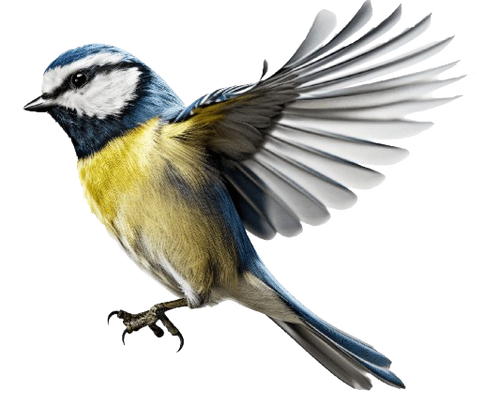
A brand-new bird feeder can look promising in the garden. You've picked a spot, added seed and waited for the first visitors. A week later, the seed is still sitting there. Even more puzzling is a feeder that used to attract chickadees every morning and suddenly goes quiet.
There isn't one explanation that fits every backyard. Birds may be slow to discover a new feeding station, turn down an unfamiliar seed mix or avoid a place where they feel exposed. Changes in natural food and seasonal movement can also make a once-busy feeder seem deserted.
Before buying a replacement feeder, check a few basics: the food, the location, the condition of the feeder and what birds are doing elsewhere in your yard. A small change may be all that's needed.
For a more detailed look at why birds may be avoiding your feeder, read our Why Aren't Birds Coming to My Bird Feeder? 10 Reasons Birds May Be Ignoring Your Seed article, which includes additional troubleshooting tips, birdseed recommendations and a helpful checklist.
Start by figuring out which problem you have
A feeder that's never had visitors needs a different approach from one that's suddenly gone quiet. If it's new, look first at visibility, nearby cover and the type of seed. If birds used to visit regularly, inspect the seed for moisture or spoilage and think about recent changes around your home, including construction, pets, predators and the season.
Watch for 10 or 15 minutes at different times of day. Are birds still moving through nearby trees? Are they approaching the feeder but leaving without eating? Are squirrels spending more time on it than the birds? Those details help narrow down the cause.
1. Birds haven’t discovered your new feeder yet
A new feeder is another object in the landscape. Local birds need to find it, recognize it as a dependable food source and feel comfortable landing on it. That can take days or sometimes several weeks.
Place the feeder where birds are already active, such as near established shrubs or trees, rather than in the middle of a bare lawn. Leave it in one spot long enough for birds to notice it. Start with a modest amount of fresh seed so that food doesn't sit for weeks before anyone arrives.
Urban Nature Store also has an older article explaining how birds find a feeder. It's a useful background if you have just set up your first feeding station.
2. The seed doesn’t appeal to the birds nearby
Seed choice matters more than the size or price of the feeder. Sunflower Hearts are a versatile starting point for chickadees, nuthatches and finches, with the shells already removed. Some bargain seed blends contain grains that birds in your area may leave behind, so a feeder can look full even when birds have sampled it.
For a straightforward change, consider Sunflower Hearts: No-Mess, No-Waste Birdseed. It is sold by Urban Nature Store and works in compatible seed feeders. For goldfinches using finch feeders, Finch & Friends Mix is another specific option. Start with a small quantity and see which birds respond.
The feeder itself matters too. A cardinal needs room to sit and reach its Sunflower Hearts, while a goldfinch can use a smaller finch-style feeder filled with Finch & Friends Mix. For doves feeding from a low tray, White Millet is an appropriate choice. Suet feeders appeal to different species, including woodpeckers.
|
Birds |
Useful food |
Feeder to consider |
|
Chickadees, nuthatches |
Sunflower seeds or hearts |
Tube or hopper |
|
Northern Cardinals |
Sunflower, safflower |
Tray or spacious hopper |
|
Goldfinches |
Nyjer or fine sunflower hearts |
Finch feeder |
|
Downy Woodpeckers |
Suet or peanuts |
Suet or peanut feeder |
|
Mourning Doves |
Millet |
Tray or platform |
These are useful starting points, not guarantees. Bird species and feeding habits vary by region and season across Canada.
|
Sunflower Hearts |
Finch & Friends Mix |
White Millet |


3. The location feels exposed or unsafe
Birds prefer a chance to retreat quickly if a predator appears. Nearby shrubs and trees provide cover, but a feeder pressed right against dense bushes can also give cats places to hide and squirrels a jumping point. Around three metres from suitable cover is one practical starting point, adjusted to your yard.
Check your windows as well. Feeders placed within roughly one metre of glass can reduce the speed of a possible collision, while distances greater than about nine metres are another commonly recommended option. Birds can strike untreated glass, so making windows visible to birds is still important.
For more on safe placement, see Cornell Lab’s bird-feeder location guidance.
4. Old or wet seed is blocking the feeder
A feeder can hold plenty of food and still offer very little for birds to eat. Rain, melting snow and trapped moisture can make seeds clump around the ports. Seed that smells musty, looks discoloured or shows mould should be thrown out rather than mixed with fresh seed.
Empty the feeder, clear any blocked openings, wash it and allow it to dry completely. Refill with a smaller amount that birds can finish while it is fresh. Keep extra seed in a clean, dry, pest-resistant container.
For feeders that frequently collect moisture, Urban Nature Store carries Feeder Fresh Seed Preservative, 9oz.. It is a moisture-absorbing accessory, not a substitute for discarding spoiled seed or cleaning the feeder.
|
Feeder Fresh |

5. It’s time to clean the feeding station
Seed hulls, droppings and old food can accumulate around feeding ports and on the ground. Keeping a feeder clean helps reduce the chance of spreading disease among visiting birds, which matters even when your immediate concern is a lack of visitors.
Birds Canada recommends washing seed and suet feeders every week or two, and more often in wet weather or during heavy use. Take the feeder apart, scrub with warm water and dish soap, rinse well and dry fully before adding new seed. Sweep or rake spilled seed and droppings from beneath the feeder, too.
These maintenance recommendations follow Birds Canada’s feeder hygiene guidance. If you see a bird that looks sick, seek current local guidance before continuing to feed.
6. Squirrels or other disturbances are taking over
If squirrels are repeatedly climbing the pole, tipping the feeder or consuming the seed, some birds may get fewer chances to feed. Watch whether squirrels can leap from a fence or branch, then consider changing the arrangement before replacing everything.
On a suitable pole, the Squirrel-X 18-inch Wrap-Around Squirrel Baffle can help stop squirrels climbing up to a feeder. If you need to replace the feeder itself, the Brome Squirrel Buster Plus has weight-sensitive seed ports that close when a squirrel lands on it. Check the product placement instructions, since nearby footholds can defeat even a well-designed squirrel-resistant setup.
|
Brome Squirrel Buster Plus |
Squirrel-X Wrap-Around Baffle |


Outdoor cats, repeated human activity and sudden loud noises can also unsettle birds. Move feeders away from places cats can easily ambush visiting birds.
7. There may be more natural food available
Birds don't follow a backyard feeding schedule. In spring and summer, insects and fresh plant growth can supply plenty of food. In autumn, seeds and berries become plentiful in some areas. As the seasons change, so do migration patterns and which species remain in your neighbourhood.
In Southern Ontario, for example, you may see year-round chickadees and cardinals while other visitors come and go. A quieter feeder during periods of abundant natural food doesn't necessarily indicate a problem. Check that the seed remains fresh and continue observing, rather than constantly changing the setup.
8. Your yard offers little shelter beyond the feeder
A feeder is more attractive when it sits in a yard birds can use throughout the day. Trees, shrubs and native plants offer resting spots, protection and natural food. A shallow, clean source of water can add to the habitat, although it also needs frequent maintenance.
Even a small urban garden can improve gradually. Choose plants suited to your region and space, and avoid placing feeding areas where cats can wait unnoticed.
A quick feeder troubleshooting checklist
- Replace stale or damp seed with a small amount of fresh food.
- Make sure the ports are open and the feeder is clean.
- Watch which birds are already present in the yard.
- Check nearby shelter, predator access and window safety.
- Observe whether squirrels are blocking bird access.
- Give a new feeder time before moving it repeatedly.
Change one or two things at a time. If birds begin visiting after you switch seed or clear a blocked port, you’ll know what helped. If nothing changes immediately, keep an eye on seasonal activity and the wider habitat.
Frequently Asked Questions
How long does it take birds to find a new feeder?
It may take a few days or several weeks. A feeder near existing bird activity, filled with suitable fresh food and left in a consistent position, is easier for birds to discover.
Why did birds suddenly stop using my feeder?
Spoiled seed, disturbances, predators and seasonal changes in natural food are all possibilities. Inspect the feeder first and observe whether birds are still active elsewhere nearby.
What food attracts the widest variety of backyard birds?
Sunflower Hearts appeal to many common seed-eating species. For finches, Finch & Friends Mix works in finch feeders; for doves, White Millet works on a low feeding tray. Woodpeckers may prefer a suet feeder.
Should I move my bird feeder if no birds are coming?
Move it if the current spot is too exposed or unsafe. Otherwise, give a new feeder some time and avoid switching its location every day.
Is it normal to have fewer birds at feeders in summer?
Yes. Natural food supplies and seasonal bird behaviour change. A quiet feeder can be normal even when it is clean, well positioned and stocked with suitable seed.
Small changes can bring birds back
An empty feeder is a reason to investigate, not a sign that your yard has failed to attract wildlife. Fresh seed, safe placement and regular cleaning are sensible first steps. After that, pay attention to which birds already use the nearby trees and what natural food is available through the season.
When a change in equipment is worthwhile, choose something that solves the problem you have observed. Urban Nature Store offers Sunflower Hearts, Finch & Friends Mix and the Brome Squirrel Buster Plus to help you make those adjustments without turning every quiet morning into a shopping trip.