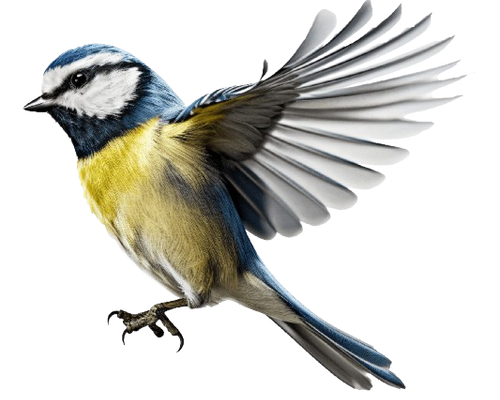
Everyone loves the American Goldfinch, nicknamed the ‘wild canary’.

Not only are these finches brightly coloured, they have a bubbly song and calls that brighten any day. In recent weeks, other songbirds have been busy with nesting activity but most are finished and even preparing to migrate south. Now it’s time for Goldfinches to take action.
Goldfinches are one of the last species to begin the nesting period because unlike other finches that include insects in their diet, these beauties only eat seeds and require a ready supply for their young.

As a result, Goldfinches delay nesting until milkweed, thistle and other plants produce seeds. This ensures that there will be plenty of food available. They will also take advantage of thistle down to line their nests.
Happy Summer Birding!
Brian Morin
Publisher of Ontario Birding News
Frequently Asked Questions
Why Do Goldfinches Nest So Late in the Season?
American Goldfinches are one of the last backyard birds to begin nesting each year. While most other songbirds have finished nesting and are already preparing to migrate south, Goldfinches are just getting started.
Why Does Goldfinch Nesting Depend on Milkweed and Thistle?
Unlike other finches that include insects in their diet, Goldfinches eat only seeds and need a ready supply on hand for their young. That's why they delay nesting until milkweed, thistle, and other plants have produced seeds, ensuring plenty of food is available once the chicks hatch. They also put the thistle down to good use, lining their nests with it.
What Attracts Goldfinches to a Backyard Feeder?
A feeder stocked with Nyjer seed or a finch seed blend is the most reliable way to attract Goldfinches. A finch seed mix formulated with Nyjer, chopped sunflower hearts, white millet, and canary seed appeals to Goldfinches along with purple finches and pine siskins.
Is Nyjer Seed Necessary for Feeding Goldfinches?
Nyjer seed isn't strictly necessary, but it's one of the seeds Goldfinches prefer most. A squirrel-proof finch feeder sized for Nyjer keeps the seed accessible to finches while limiting waste and squirrel access.
Do Goldfinches Change Colour During the Year?
Yes. Male Goldfinches molt into their bright yellow breeding plumage in spring and summer, then fade to a duller olive colour for winter, which is part of why their late nesting season lines up with when they look their most vibrant.