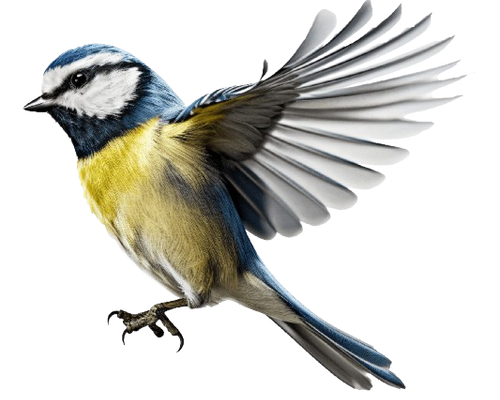
Every year, no matter how long the winter feels, there’s one moment that stops me in my tracks—the first robin of spring.
It usually happens early in the morning. I’m standing outside with a cup of coffee, still half-wrapped in the chill of late winter, when I hear it—that familiar, cheerful song. I look up, and there it is. An American robin, perched confidently on a branch, as if to say, “We made it. Spring is coming.”
I’ll be honest, it still gives me a little jolt of excitement every single year. After months of snow, grey skies, and quieter backyards, that flash of rusty orange and that bright, optimistic song feels like a promise. A reminder that the seasons are turning and life is returning.
Now, robins are interesting birds when it comes to migration. Not all of them actually leave Southern Ontario for the winter. Many robins will migrate south, sometimes as far as the United States or even Mexico, following food sources like berries and insects. But others? They stick around. They move into wooded areas, feed on fruit, and keep a low profile, which is why we don’t see them as often in our backyards during the colder months.

So when we start spotting them again in early spring, it’s often a mix of returning migrants and local birds reappearing as the ground begins to thaw. And as soon as the soil softens enough, you’ll see them doing what they do best—tilting their heads, listening, and pulling worms from the earth like seasoned pros.
That’s one of the reasons robins are so tied to the idea of spring. They’re not just back—they’re active, busy, and getting ready for the nesting season ahead.
If you want to help robins during this transition period, there are a few simple things you can do that make a big difference.
First, let’s talk about food. While robins are famous for eating worms, early spring can be tricky. The ground isn’t always fully thawed, and natural food sources can still be limited. That’s where offering mealworms can really help. Mealworms are a high-protein treat that robins absolutely love, and they’re especially useful in those early weeks when food is harder to find.
I like to put mealworms in a low and shallow ground feeder, which is designed specifically for birds like robins that prefer feeding on flat, open surfaces. Robins aren’t typically going to cling to a tube feeder—they like space, visibility, and easy access. A ground feeder gives them exactly that, and it’s a great way to invite them into your yard.
Another option I often recommend is Mill Creek Robin Suet which fits well in the WBT Robin Ground feeder cage. This is a rich, energy-packed suet blend that’s loaded with mealworms—basically a gourmet meal for robins. It’s especially helpful during cooler spring days when birds still need that extra boost of energy. I’ve seen robins take to it surprisingly quickly, especially when it’s offered in a low, accessible feeder.
And then there’s something we often overlook: water.
If there’s one thing robins love almost as much as food, it’s a good birdbath. I can’t tell you how many times I’ve watched robins splashing around, tossing water everywhere, looking like they’re having the time of their lives. It’s not just entertaining—it’s essential. Clean, fresh water helps them drink, bathe, and maintain their feathers, which is critical as they head into breeding season.
Early spring is the perfect time to get your birdbath set up again. Make sure it’s clean, filled, and easy to access. If you really want to attract attention, try refreshing the water regularly or adding a bit of movement. Robins are quick to notice.
 What I love most about robins, though, isn’t just their role as a seasonal marker—it’s their presence. They bring energy back to the yard. They’re bold, active, and not shy about making themselves known. You’ll hear their song in the early morning, see them hopping across lawns, and watch them chasing each other as they establish territories.
They remind me to slow down and pay attention. To take a few minutes in the morning, coffee in hand, and just observe. Because those small moments—the first robin, the first song, the first splash in the birdbath—are what make the changing seasons feel real.
So as we move into April, keep your eyes and ears open. That first robin might already be there, waiting to be noticed. And when you do spot it, take a moment. Enjoy it.
Because after a long winter, there’s nothing quite like the return of the robin to remind us that spring has truly arrived.
Paul Oliver
Founder, Urban Nature Store