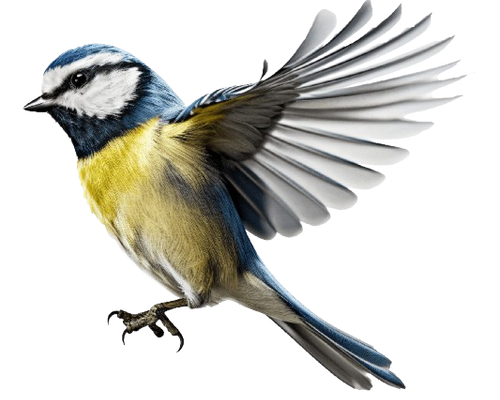
From my perch here in southern Ontario, I’ve spent many years watching the rhythms of birds — the dependable arrival of spring migrants, the busy nesting season, and the quieter winter months when hardy species remain. Birds have always been one of nature’s most reliable storytellers. They tell us when the seasons change, when insects emerge, and when the natural world is thriving. In recent years, however, those stories have begun to shift.
Like many birders, I’ve noticed subtle but important changes in the timing and behaviour of both our local and migratory birds. Some species are arriving earlier in spring. Others are struggling with increasingly unpredictable weather patterns. And occasionally we see birds appearing outside their traditional ranges. These changes are all signals that our climate is shifting — and birds, perhaps more than most wildlife, are on the front lines of those changes.
Changing Migration Patterns
Migration is one of the most remarkable feats in the natural world. Many of the songbirds that visit our backyards each spring have travelled thousands of kilometres from Central or South America. Their journeys are timed with extraordinary precision so that they arrive just as food sources — especially insects — begin to emerge. Climate change is beginning to disrupt that delicate timing.
Warmer temperatures can cause insects to emerge earlier in the season. But birds that rely on day length as their migration cue may still arrive according to their traditional schedule. When birds arrive after the peak of insect abundance, they can miss a crucial window for feeding and raising their young.
Here in Ontario, we’re also seeing more frequent extreme weather events during migration. Late cold snaps, spring storms, and unusual heat waves can all make life more difficult for birds that have already expended tremendous energy during their journeys.
Stress on Local Bird Populations
Even birds that stay closer to home are feeling the effects. Shifts in temperature and precipitation influence plant growth, insect populations, and the availability of seeds and berries.
Drought conditions in some areas can reduce food supplies. Severe storms can destroy nests or damage habitat. And warmer winters can alter the survival rates of both birds and the insects they depend on.
Birds are remarkably adaptable, but rapid environmental change puts pressure on even the most resilient species.
The good news is that there are meaningful ways each of us can help.
How Backyard Bird Feeding Helps
One of the simplest and most effective things we can do is support birds through responsible backyard feeding.
Bird feeding is sometimes misunderstood as interfering with natural processes. In reality, when done properly, it provides a reliable supplemental food source that can help birds during periods when natural foods are scarce — particularly during migration, nesting season, and harsh winter weather.
Migratory birds arriving after a long journey often need to replenish their energy quickly. Feeders stocked with quality seed can provide an important boost while birds search for natural foods in unfamiliar territory.
Species such as chickadees, finches, cardinals, and woodpeckers benefit from consistent feeding stations throughout the year. During spring, high-energy foods like sunflower seeds and suet can help birds recover from migration and prepare for nesting.
At Urban Nature Store we often remind customers that bird feeding isn’t just about attracting wildlife — it’s about supporting local ecosystems.
Water Is Just as Important
While food often gets the attention, water is equally vital. Clean, fresh water allows birds to drink, bathe, and maintain healthy feathers.
A simple bird bath can make a tremendous difference, especially during hot summer periods or winter freezes when natural water sources are limited.
Adding moving water — even a small dripper — can make your yard especially attractive to birds searching for reliable hydration.
Planting for Birds
Another powerful way to help is by thinking about the plants in our yards.
Native trees, shrubs, and flowers provide the natural food sources birds depend on: seeds, berries, nectar, and insects. Even small gardens can support birds if they include plants that produce these resources.
Avoiding pesticides is also important. Insects may be inconvenient in the garden, but they are essential food for many birds — especially when feeding nestlings.
A healthy yard filled with native plants is, in many ways, the ultimate bird feeder.
Creating Safe Spaces
Climate stress is only one challenge birds face. Habitat loss, window collisions, and outdoor cats also impact bird populations.
Small changes can make a big difference: placing feeders closer to windows to reduce collision speed, adding window decals, or keeping cats indoors. When many people make these small adjustments, the collective impact can be significant.
Hope in Everyday Actions
The scale of climate change can feel overwhelming. But one of the things I love about birds is that they connect us directly to nature in a very personal way.
When we hang a feeder, plant a tree, or provide fresh water, we’re not solving global problems overnight. But we are creating small refuges — little pockets of habitat where birds can find food, shelter, and safety.
Multiply that by thousands of backyards across our communities, and the effect becomes meaningful.
Every morning when I watch birds visiting a feeder or hear the first warblers returning in spring, I’m reminded that nature is resilient when given the chance.
Our role is simply to help — one backyard at a time.
And from where I sit on Paul’s Perch, that seems like a very good place to start. 🐦🌱
By Paul Oliver, Founder of Urban Nature Store