Earlier this week, I had the great pleasure of being the guest speaker at the monthly meeting of the Probus Club of Ajax—and wow, what a tremendous turnout! The room was filled with enthusiastic, curious people who share a genuine love of nature and a growing interest in wild birding. I always enjoy these opportunities to connect with fellow bird lovers, but the energy and engagement from this group truly stood out.
During my presentation, I spoke about one of my favourite topics: how to attract and help our local wild birds, especially during the challenging winter months. After the talk, many members stayed behind to ask thoughtful questions. Two questions came up again and again, so I thought I’d share my answers here for everyone to benefit.

Is Water Important for Wild Birds in Winter?
The short answer is yes—absolutely.
In winter, food often gets all the attention, but water can be even harder for birds to find. Natural water sources like ponds, creeks, and puddles are often frozen solid, and while birds can eat snow, it takes valuable energy to melt it inside their bodies. Providing fresh water can make a real difference in a bird’s ability to survive cold weather.
The best option is a heated bird bath, which keeps water available even during freezing temperatures. These baths are safe, energy-efficient, and incredibly popular with birds in winter. If a heated bath isn’t an option, there are still simple ways to help. A shallow bowl of water, placed in a sunny, sheltered spot during the day, can give birds a much-needed drink. Just be sure to refresh it regularly and remove it before temperatures drop again in the evening.
Clean water—changed often—is key. Birds will visit water sources just as reliably as feeders once they discover them, and you may be surprised at how many different species stop by.

How Can I Feed Birds Without Attracting Rats?
This is a very common and very valid concern, especially with the amount of construction happening across our communities. The good news is that feeding birds does not have to attract rodents—it all comes down to how and what you feed.
The number one rule is simple: keep seed and empty shells off the ground. Rats are not attracted to birds; they’re attracted to easy food on the ground.
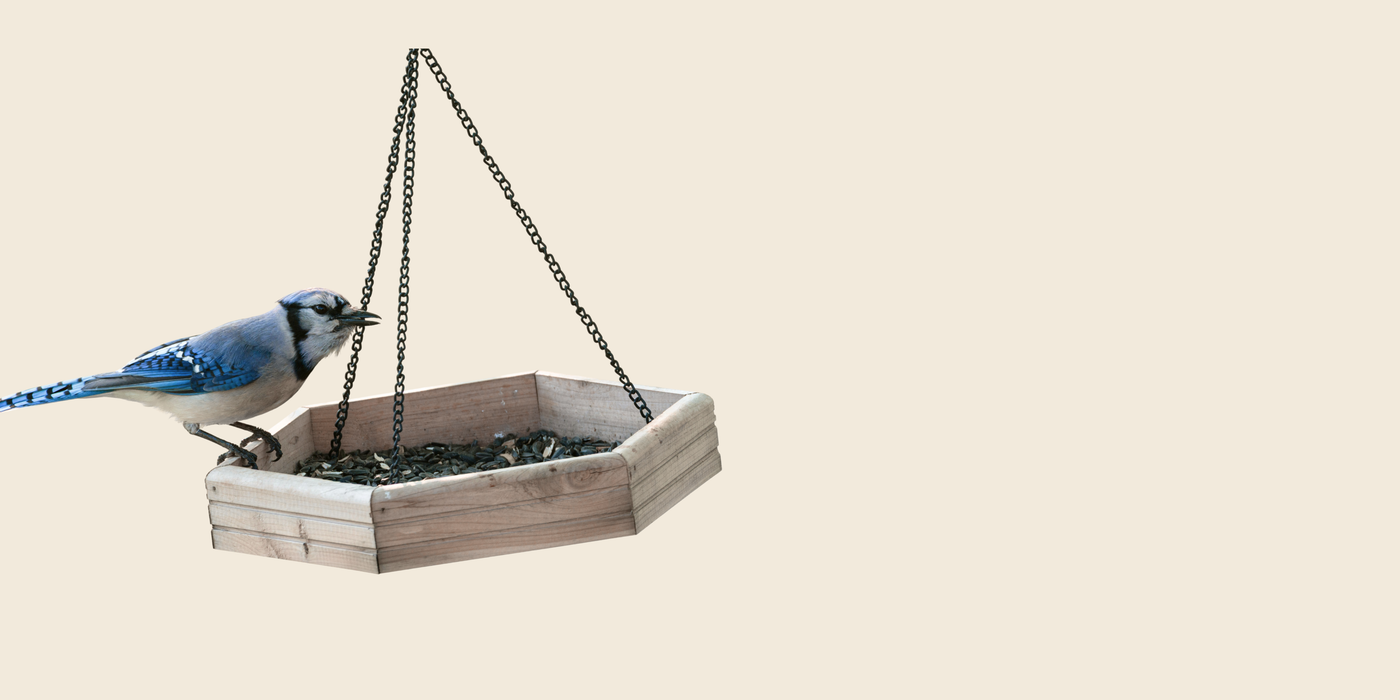
There are a few ways to manage this. Seed hoops or trays can help catch falling seed, but my personal preference is to use a well-made tube feeder or a quality squirrel-proof feeder with properly designed, covered feeding ports. These feeders minimize spillage and protect seed from the elements.
Equally important is seed choice. I strongly recommend feeding sunflower hearts, which are hulled sunflower seeds. They’re often called the “No Waste, No Mess” seed, and for good reason. Birds love them, there are no shells to discard, and nothing ends up on the ground. This is very different from mixed seed, where birds toss unwanted fillers like milo or red millet onto the ground—exactly what attracts rodents.

When you combine sunflower hearts with a high-quality feeder, you eliminate mess, reduce waste, and remove the main reason rodents are drawn to feeding areas in the first place.
Helping birds through winter is incredibly rewarding, and it doesn’t have to be complicated. A little water, the right feeder, and the right seed can make a world of difference.
If you’d like help choosing the perfect setup for your space, I always encourage you to drop into your local Urban Nature Store. We’re happy to help you support birds responsibly—and enjoy every moment of it.
Happy birding,
Paul Oliver
Founder, Urban Nature Store 🌿🐦