Roasted or Natural Peanuts for Squirrels? Let’s Crack This One Open
If you’ve ever stood at your window, coffee in hand, watching squirrels argue over a peanut like it’s the last snack on Earth, you’ve probably wondered: Am I feeding them the right thing? And more specifically, should those peanuts be roasted or natural?
It’s a great question — and one we hear often at Urban Nature Store — especially from people who genuinely want to do right by their backyard wildlife.
Let’s start with the most important point right up front:
the biggest concern isn’t roasted versus natural peanuts — it’s whether squirrels are relying too heavily on peanuts at all.
Peanuts: Not Exactly a Forest Food
Despite how enthusiastically squirrels go after them, peanuts aren’t actually a natural food source. In the wild, squirrels eat a wide variety of foods: acorns, walnuts, hazelnuts, seeds, buds, berries, fungi, and even the occasional insect. That variety is key to their nutrition.
Problems can arise if squirrels are fed large quantities of peanuts exclusively, especially shelled peanuts. Peanuts are high in fat and low in some of the nutrients squirrels need, so an all-peanut diet is a bit like living on potato chips — tasty, but not ideal.
That said, in most backyards, peanuts are not replacing natural food. Instead, squirrels are simply supplementing their normal foraging with an easy, high-energy snack. When offered properly, peanuts usually make up only a small part of their overall diet, which is perfectly fine.
Raw vs Roasted: What’s the Difference?
If you’re going to offer peanuts, raw (natural), unsalted peanuts are the better choice.
Roasted peanuts — especially dry-roasted or oil-roasted — have altered fats and slightly reduced nutritional value. Salted peanuts are a definite no-go, as excess sodium can be harmful to wildlife.
Raw peanuts in the shell are closest to what we want to offer:
- No added salt
- No added oils
- No unnecessary processing
They also encourage natural behaviors like gnawing, handling, and caching — all things squirrels are hard-wired to do.
Why “In the Shell” Matters
Whole peanuts in the shell are far better than shelled peanuts for a few reasons. First, they slow squirrels down. Instead of vacuuming up food, they have to work for it, which reduces overconsumption.
Second, shells provide mental and physical enrichment. Squirrels love carrying peanuts away, burying them, forgetting where they put them, and accidentally planting peanut trees that will never grow. (Nature has a sense of humor.)
And third, whole peanuts attract more than just squirrels.
Enter the Peanut Wreath (or Ring)
One of our favorite ways to serve whole peanuts is the peanut wreath or ring. It’s simple, effective, and endlessly entertaining.
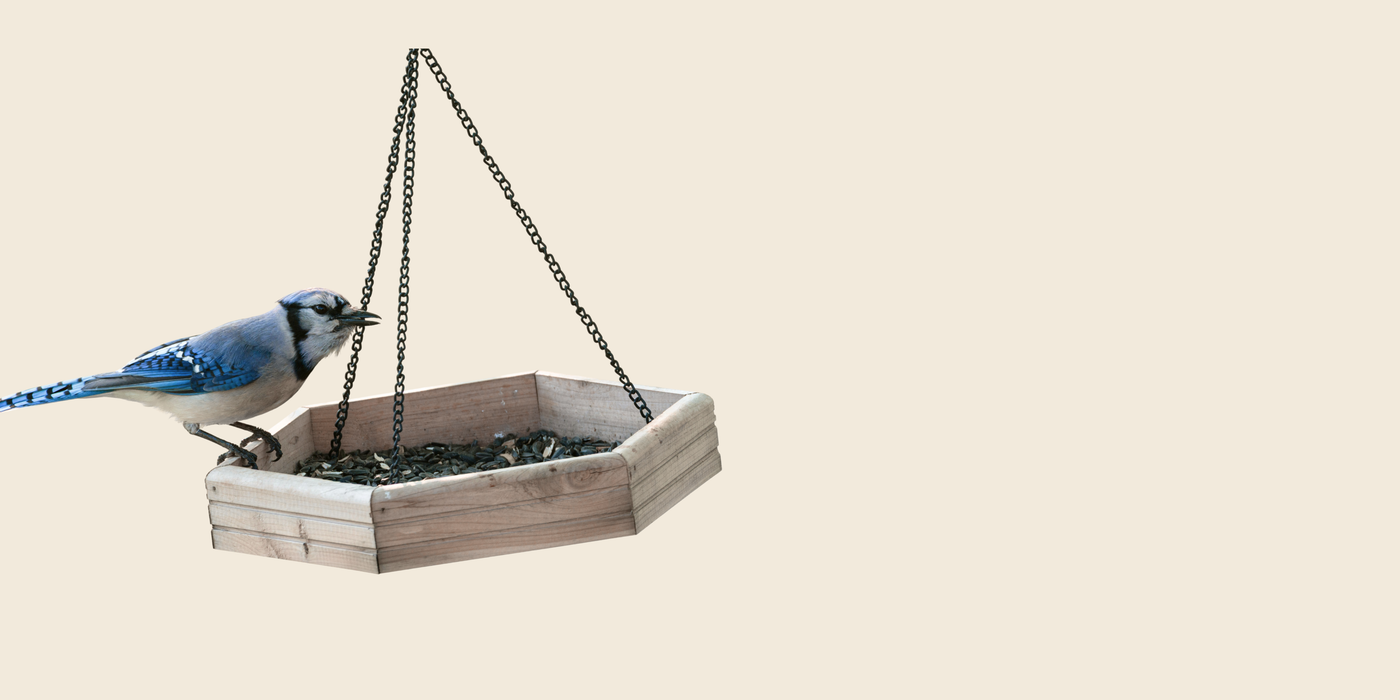
A peanut wreath holds whole, in-shell peanuts and can be hung from a branch or feeder pole. Squirrels love it — but so do blue jays, who are absolute peanut connoisseurs. Jays will swoop in, grab a peanut, and disappear like they’ve just pulled off a daring heist.
Because the peanuts are whole and spaced out, no single animal can monopolize the feeder for long. It naturally spreads out feeding activity and encourages more species to participate.

Moderation Is the Secret Ingredient
So, should you serve roasted or natural peanuts?
Natural, unsalted, in-shell peanuts are the clear winner.
But even then, peanuts should be treated as a supplement or occasional treat, not the main course.
A healthy backyard setup focuses on:
- Variety
- Native seeds and nuts
- Habitat that supports natural foraging
Peanuts can absolutely have a place — especially when offered thoughtfully.
At the end of the day, if your squirrels are still digging, climbing, chasing each other, and occasionally yelling at nothing in particular, you’re probably doing just fine.
And if a blue jay steals a peanut right in front of them? Well, that’s just part of the show.
Paul Oliver
Founder, Urban Nature Store