This week offered something that doesn't happen nearly often enough—a little downtime at my family's farm. Running a birding store business that revolves around helping people enjoy nature means there is always another order to ship, another product to source, or another email to answer. So having a few quiet days surrounded by fields, trees, and familiar wildlife was a welcome change of pace.
The timing, however, couldn't have been more unusual.
Like much of Ontario, we found ourselves under the grip of extreme summer heat. The kind of heat that seems to press down on everything. Even early in the morning the air felt heavy, and by afternoon the fields shimmered in the distance.
But it wasn't just the temperature that caught our attention.
Day after day, smoke from the forest fires burning in Northern Ontario drifted south, turning what should have been brilliant blue summer skies into a hazy grey. Some mornings the sun appeared as little more than a dull orange disc hanging behind a veil of smoke. The familiar views across the farm seemed muted, and even the scent of the air reminded us that hundreds of kilometres away, vast stretches of forest were burning.
It's easy to think about smoke only in terms of how it affects us. We notice sore throats, watery eyes, and air quality warnings. We stay indoors a little longer or postpone a walk.
But as I watched the wildlife around the farm, I couldn't help wondering what these conditions mean for the creatures that don't have the option of closing the windows or staying inside.
The birds certainly seemed quieter.
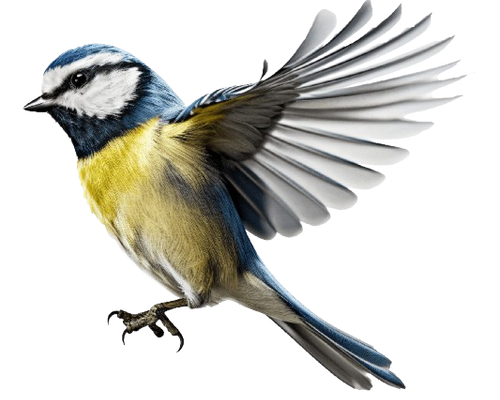
Normally the mornings are filled with an energetic chorus. Robins patrol the lawn, chickadees chatter from the trees, goldfinches bounce through the fields, and swallows perform their aerial acrobatics overhead.
This week there was noticeably less activity during the hottest parts of the day.
Many birds appeared to conserve energy by remaining in shaded areas, reducing unnecessary flight. It makes perfect sense. Flying requires tremendous energy, and when the air is hot and filled with fine smoke particles, every trip becomes more demanding.
Researchers are still learning about the full impact of wildfire smoke on birds, but we already know enough to appreciate that poor air quality can make migration, foraging, and even simple daily activities more difficult. Smoke can reduce visibility, interfere with food gathering, and place additional stress on animals already coping with extreme temperatures.
The insects seemed affected as well.
There were still bees working the flowers during the cooler parts of the day, but activity slowed considerably once the heat peaked. Butterflies, too, appeared less abundant than usual during the smoky afternoons and almost confused in a more erratic flying pattern.
Insects form the foundation of so many food chains. When their activity changes, birds that depend on them may need to spend more time searching for food, using precious energy at a time when conserving it may be critical.
The farm's mammals also seemed determined to do as little as possible.
Squirrels remained stretched out on tree branches instead of darting around. Even the rabbits that normally emerge throughout the day appeared content to wait until evening before venturing out. Then there was Ralph.
Every farm seems to have a personality, and ours comes with four legs, long ears, and an unmistakable love of snacks.
Ralph, our resident donkey, is usually curious and happy to investigate anyone walking through the yard. This week, however, he looked as though someone had turned his energy down to its lowest setting.

He spent much of the day standing quietly in whatever shade he could find, conserving every bit of energy. The combination of oppressive heat and smoky air clearly wasn't doing him or the sheep any favours.
Yet there was one thing that hadn't changed.
Every afternoon, right on schedule, Ralph slowly made his way over to collect his favourite treat—a big carrot.
He accepted it with all the enthusiasm he could muster before wandering back to his shady spot.
Watching him was a gentle reminder that animals, just like people, adjust their behaviour when conditions become difficult. They seek shade, reduce activity, drink more water when they can, and wait for better conditions to return.
As bird lovers, there are a few simple things we can do during periods of extreme heat and wildfire smoke.
Fresh, clean water becomes even more important. Bird baths should be topped up daily and cleaned regularly. If possible, place them in shaded locations where the water stays cooler throughout the day.
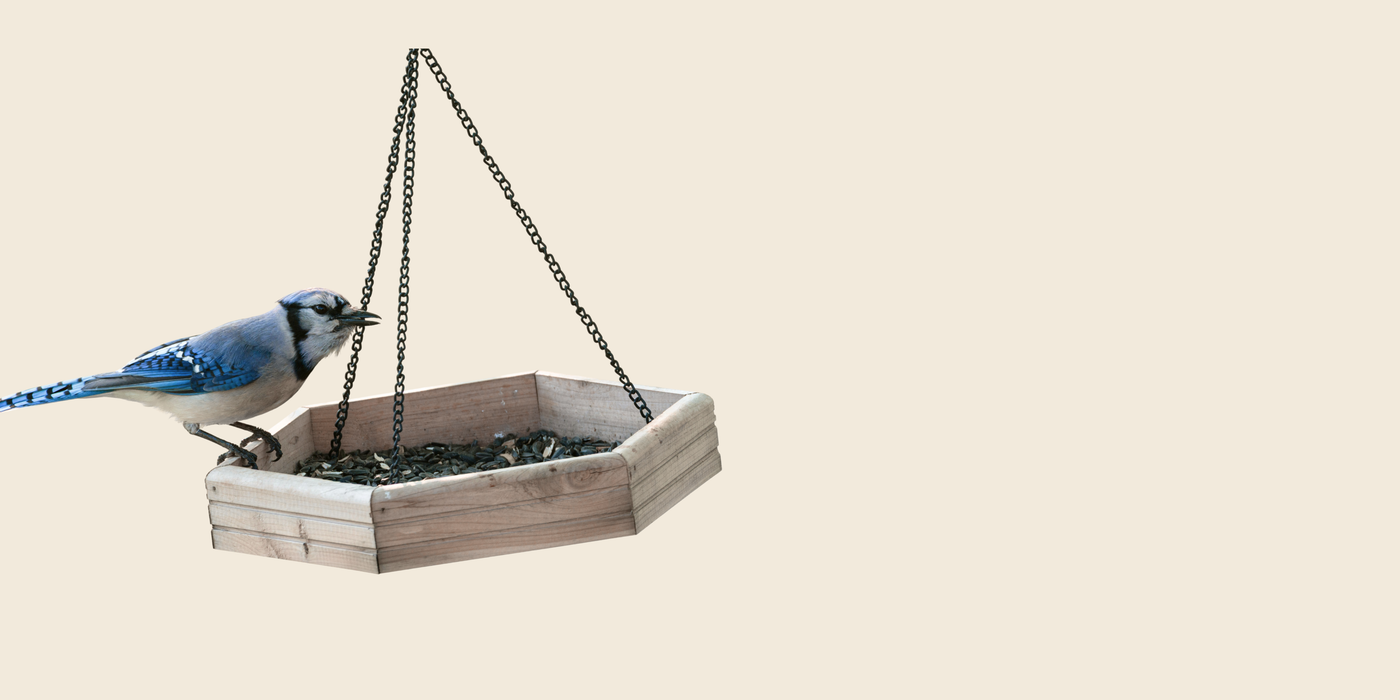
It's also worth ensuring feeders remain clean and well stocked. Birds may spend less time searching for food when conditions are stressful, and having a reliable food source nearby can reduce the energy they need to expend.
Perhaps most importantly, we should remember that nature is remarkably resilient.
Wildlife has evolved to cope with changing weather and challenging conditions, but events like prolonged heat waves and widespread wildfire smoke remind us that these challenges are becoming more frequent. Supporting healthy habitats—whether through planting native species, maintaining clean water sources, or simply creating bird-friendly backyards—can help provide refuge when animals need it most.
As I left the farm later in the week, the haze was still hanging over the landscape. The forecast promised cooler weather ahead, and hopefully clearer skies as well.
Until then, the birds would continue adapting, the insects would carry on their quiet work whenever conditions allowed, and Ralph would no doubt continue his daily tradition of showing up for one very important carrot.
Some routines, thankfully, are worth keeping no matter what the weather brings.
By Paul Oliver
Founder of Urban Nature Store