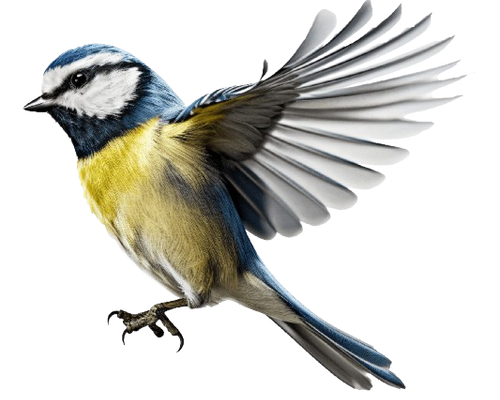
This morning, I was doing what I consider to be one of life’s finer rituals—sitting quietly with a hot coffee, watching the gentle rhythm of the backyard feeders come to life. The usual crowd was present and accounted for: a few cheerful chickadees darting in with their trademark confidence, some finches adding a splash of colour, and the steady, dignified presence of a cardinal or two waiting their turn.
And then… They arrived. Not one. Not two. The whole gang. The grackles are back.
 Now, before I go any further, let me say this: I have nothing personal against grackles. In fact, they’re among the smartest birds you’ll ever encounter at a feeder. Sleek, iridescent, and highly adaptable, they’re impressive in their own right. But when they show up en masse—well, it’s less of a visit and more of a hostile takeover.
The peaceful backyard café instantly transforms into something resembling a motorcycle gang convention. They swoop in loudly, scatter everyone else, and proceed to dominate every available perch like they own the place. Chickadees vanish. Finches retreat. Even the cardinals, who are not exactly pushovers, tend to keep their distance when the grackle brigade is in full force.
It’s a bit like hosting a polite brunch that suddenly turns into a rowdy tailgate party.
Over the years, I’ve developed a few strategies to gently (and humanely) encourage my less-welcome visitors to move along. My go-to solution is surprisingly simple: I switch the menu.
Out go the sunflower hearts—the universal favourite that keeps everyone happy—and in comes safflower seed.
Now, safflower is a bit of a secret weapon. It has a thick, tough shell that grackles, with their long, pointed beaks, struggle to crack open efficiently. After a couple of days of limited success (and I suspect mounting frustration), they usually decide that my backyard isn’t worth the effort and head off in search of easier pickings elsewhere.
It typically takes about three or four days of a safflower-only diet before the grackles pack it in and move along to another unsuspecting yard.
The interesting part is what happens with the rest of the birds. Chickadees and finches will stick around, though I can tell it’s not their favourite. There’s a bit more work involved in getting at the seed, and they seem to approach it with a “well, this will do for now” attitude. They’re patient, adaptable, and willing to wait things out.

Once the coast is clear and the grackles have officially vacated the premises, I switch things back to sunflower hearts, and the backyard returns to its usual calm, lively balance.
Now, there is one bird that absolutely loves safflower: the cardinal. With their strong, wide beaks, they make short work of those thick shells. While everyone else is picking and pecking, the cardinals are happily feasting like they’ve just discovered the buffet was designed specifically for them. I actually serve safflower year-round in my platform feeder, so my cardinal pair have their own exclusive feeder, and even the squirrels leave it alone.
Another bonus? Squirrels in my neighbourhood aren’t fans of safflower either. The shell has a slightly bitter taste, which tends to discourage them. It’s not often you find a seed that helps manage both grackles and squirrels at the same time, so safflower earns extra points in my books.
I also bring in a bit of hardware support when needed. My Squirrel Buster Plus feeder has an adjustable weight trigger, and by loosening it slightly, I can make it sensitive enough that the heavier grackles activate the closing mechanism. In theory, it’s a perfect solution.

In practice, it’s… well, occasionally awkward.
If I set it too light, a group of enthusiastic chickadees can unintentionally trigger the mechanism themselves. There’s nothing quite like getting a disapproving look from a chickadee who feels unfairly locked out of breakfast. It’s a delicate balance—one that sometimes requires a bit of trial and error (and perhaps the occasional apology).
Another effective option is a caged feeder. These are designed with openings large enough for small birds to pass through, but too tight for larger birds like grackles. The result is a safe, accessible feeding space for your smaller visitors, while the bigger, more assertive birds are left on the outside looking in.
At the end of the day, managing a backyard feeder isn’t about excluding certain birds entirely—it’s about creating balance. Every species has its place, and even the grackles, in all their boisterous glory, are part of the broader urban ecosystem.
That said, I do appreciate it when they decide to take their party somewhere else for a while.
And so, for now, the safflower is out, the coffee is still warm, and I’m keeping a watchful eye on the yard—just in case the gang decides to make an encore appearance.
Because in the world of backyard birding, peace and quiet is often just one flock away from total chaos.
Of course, if you’ve been feeding birds for any length of time, you’ll know this isn’t the end of the story. It never really is.
Just when you think you’ve solved the “grackle situation,” they remind you—quite confidently—that they are excellent learners. I’ve had seasons where a particularly determined individual figures out how to work around my carefully deployed defenses. It will perch, tilt, probe, and test every angle of a feeder like a safecracker in a heist movie. You almost have to admire the persistence… almost.
And that’s really the thing about grackles. For all their bluster and backyard theatrics, they are incredibly intelligent birds. Studies have shown they can solve problems, recognize patterns, and even adapt their behaviour based on past experiences. So when we outsmart them with safflower or a cleverly adjusted feeder, it’s less a permanent victory and more a temporary truce.
 But I’ll take the win.
One of the more interesting side effects of switching to safflower—aside from the gradual disappearance of the grackle gang—is how it changes the overall rhythm of the yard. Without the constant commotion, the smaller birds seem to relax. Chickadees linger a little longer at the feeder instead of grabbing and dashing. Finches settle in and feed more comfortably. Even the cardinals, who prefer a bit of space and calm, become more regular visitors. It’s a subtle shift, but a noticeable one.
I’ve also found that these quieter periods give me a chance to really observe behaviours I might otherwise miss. The soft communication between a pair of cardinals. The methodical way a nuthatch works its way down a tree trunk. The bold personality of a single chickadee that seems convinced it runs the place.
These are the moments that remind me why I started feeding birds in the first place.
Now, if you’re dealing with your own “grackle invasion,” my advice is simple: don’t panic, and don’t give up. A few small adjustments can make a big difference. Changing seed types, tweaking feeder settings, or introducing a caged feeder can all help restore balance without turning your backyard into a battleground.
And patience goes a long way. Birds are creatures of habit, but they’re also opportunists. If your yard becomes less convenient for grackles, they will move on. It might take a few days, but it will happen.
In the meantime, try to enjoy the process—even the slightly chaotic parts. Backyard birding isn’t about perfection. It’s about connection. It’s about learning the rhythms of the natural world just outside your door, even when those rhythms occasionally sound like a flock of feathered troublemakers staging a takeover.
As for me, I’ll keep my safflower at the ready, my feeders adjusted, and my coffee close at hand. Because tomorrow morning, when I settle into my usual spot and glance out at the yard, it could go one of two ways: a peaceful gathering of familiar feathered friends… or the unmistakable return of the gang.
And if I hear that first loud call and see that glossy black flash sweep in, I’ll know exactly what to do.
Safflower. Lots of it….and more coffee
Cheers,
Paul Oliver- Founder of Urban Nature Store