The first day of winter has a funny reputation. For many, it marks the beginning of cold fingers, early sunsets, and the long wait for spring. But for me, winter feels like an invitation—one that says slow down, look closer, and step outside anyway. It’s the season when wild birding becomes quieter, clearer, and somehow more personal.
In winter, the leaves are gone and the noise of summer has faded. Without all that visual clutter, birds seem closer, easier to notice, and more honest. There’s no hiding in thick foliage now. A quick flick of wings across a snowy yard or a sharp “chick-a-dee-dee-dee” cuts through the still air like a friendly hello. I love that.
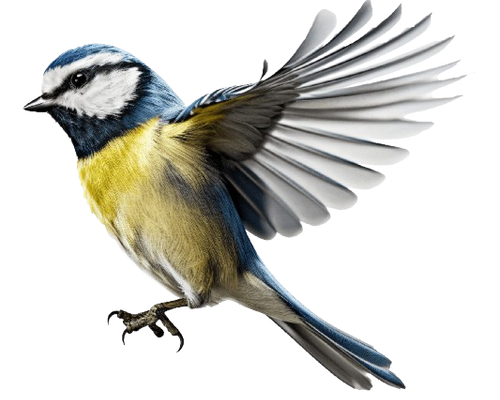
Southern Ontario winters offer a surprisingly rich cast of feathered characters. Black-capped Chickadees are the undisputed cheerleaders of the season. Brave, curious, and endlessly chatty, they remind me that small things can be incredibly resilient. Close behind are White-breasted Nuthatches, creeping headfirst down tree trunks as if gravity were just a suggestion.
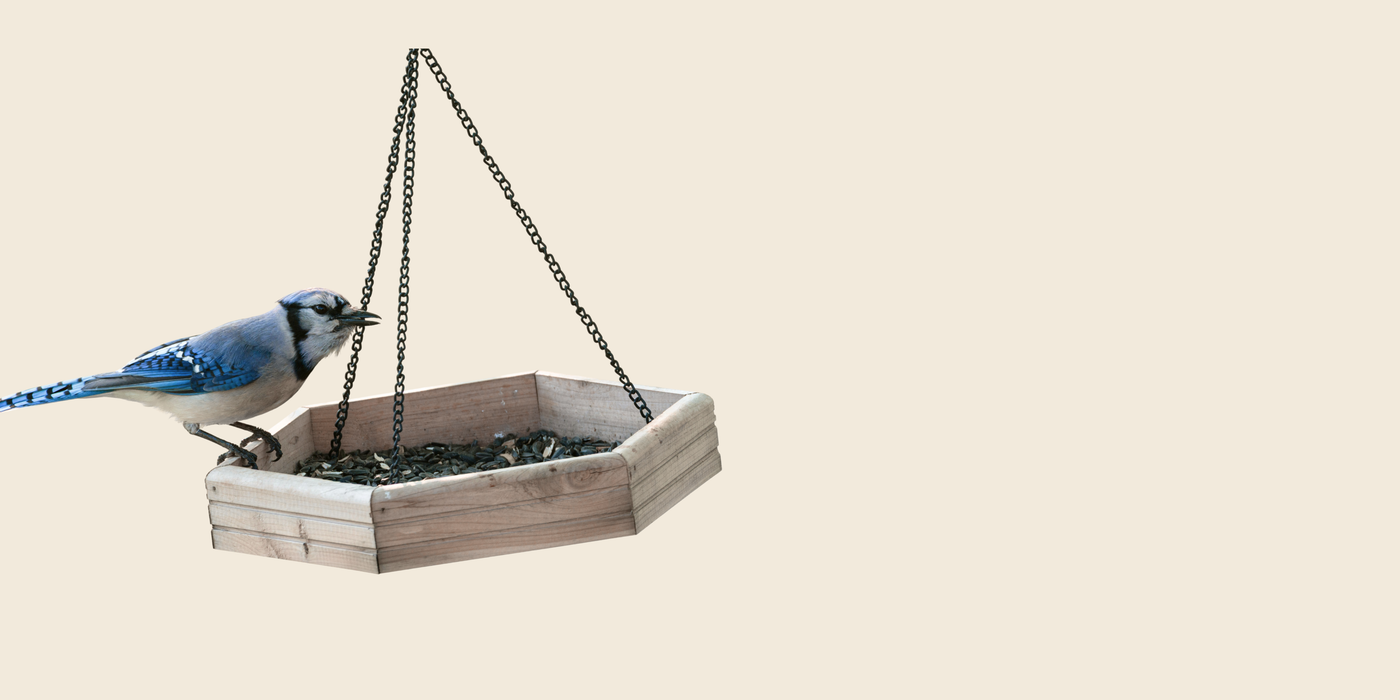
Northern Cardinals add sparks of colour to otherwise muted landscapes. Seeing a bright red male against fresh snow never gets old—it’s like nature’s way of reminding us that beauty doesn’t take the winter off. Blue Jays, bold as ever, bring flashes of blue and plenty of attitude, while Mourning Doves huddle together like old friends sharing a secret.
Winter is also prime time for woodpeckers. Downy and Hairy Woodpeckers are regular visitors, tapping away in neighbourhood trees and parks. Their steady drumming feels rhythmic and grounding, a natural metronome for the season. Dark-eyed Juncos—often called “snowbirds”—skitter along the ground in soft grey and white flurries, while American Goldfinches trade their summer yellow for more understated winter tones.
Some winters bring special guests from the north. Pine Siskins or Common Redpolls may suddenly appear at feeders in energetic flocks, turning an ordinary morning into something memorable. And every now and then, if you’re lucky, a Snowy Owl or Rough-legged Hawk makes a dramatic appearance, reminding us that winter can still feel a bit wild.
What I love most about winter birding is how it encourages mindfulness. You dress warmly, move slowly, and pay attention. The reward isn’t just the birds—it’s the calm that comes with watching them endure, adapt, and thrive.
So on this first day of winter, I encourage you to step outside, pour a warm drink, and look up. Winter doesn’t empty the natural world—it reveals it. And for me, that’s why it just might be the best season of all.