By Paul Oliver, Founder, Urban Nature Store
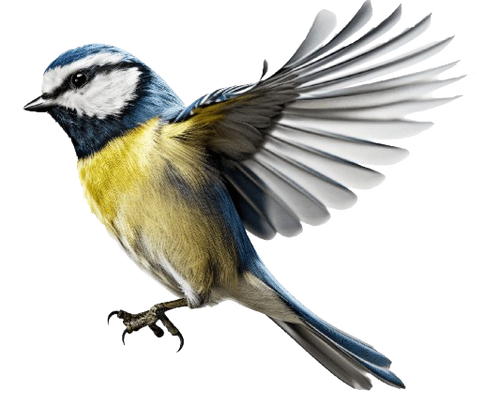
Few backyard birds are as entertaining as the Black-capped Chickadee. This small bird has a distinctive black cap and bib, white cheeks, grey wings and a cheerful call that sounds like its name: chick-a-dee-dee-dee.
Chickadees are familiar year-round residents across much of Ontario. They are also remarkably curious, often investigating new feeders and returning repeatedly once they discover a reliable food source.
If you're new to backyard bird feeding, chickadees are an excellent bird to get to know. With the right seed, a suitable feeder and a little patience, you can encourage these delightful visitors to stop by regularly.
1. Choose Food Chickadees Enjoy
Black-capped Chickadees eat insects, spiders and other small invertebrates in the wild, but seeds and nuts are important foods at backyard feeders.
Two particularly good choices are sunflower hearts and black oil sunflower seed.
Sunflower hearts
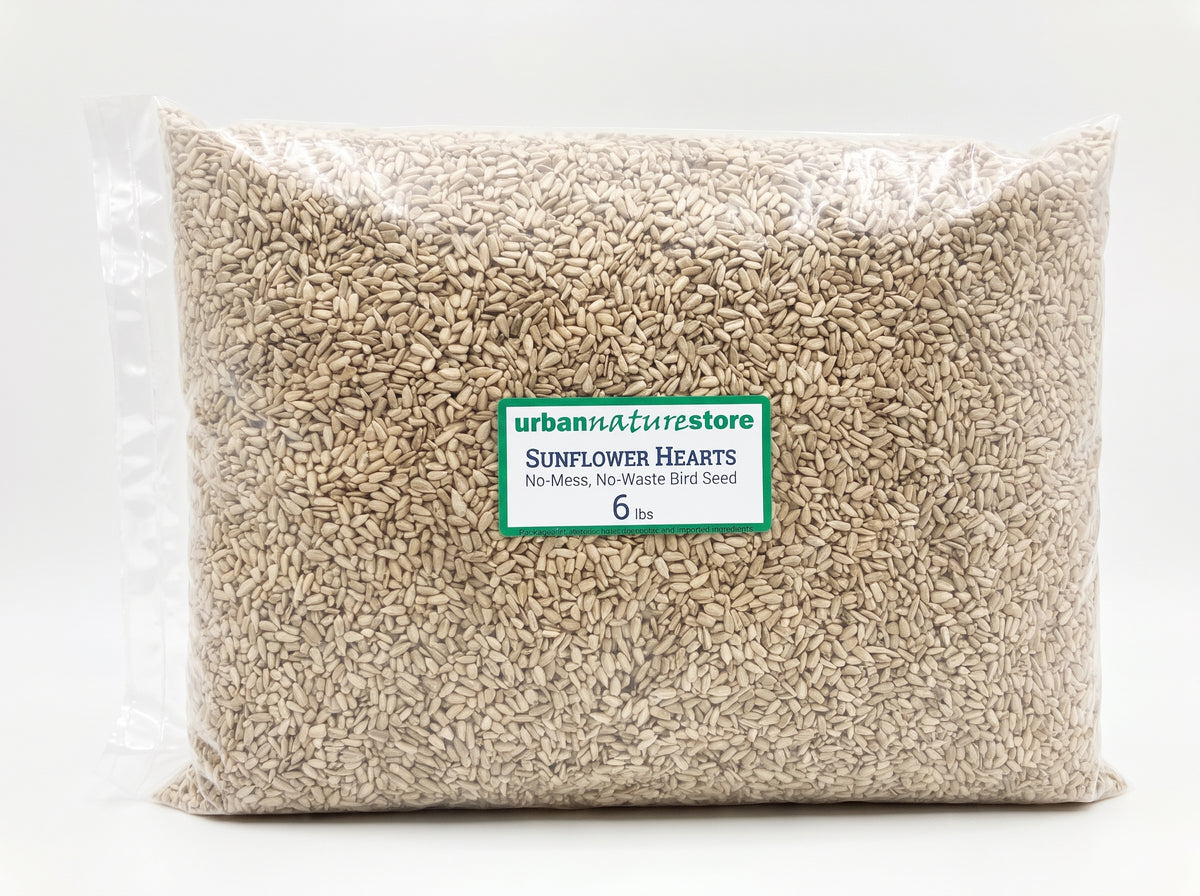
Sunflower hearts are seeds with their outer shells removed. They're easy for chickadees to pick up and eat, and they provide useful energy throughout the year.
They are also popular with many other backyard birds, including cardinals, finches and nuthatches. Because the shells have been removed, they help keep the ground beneath your feeder cleaner.
Urban Nature Store's Sunflower Hearts: No-Mess, No-Waste Birdseed is a practical option if you want a seed that appeals to several species.
Black oil sunflower seed
Black oil sunflower seed is another excellent choice. Its relatively thin shell makes it easier for small birds to open than some other sunflower varieties.
Peanuts
Chickadees may also enjoy out-of-the-shell peanuts offered in an appropriate feeder. Use plain, unsalted peanuts intended for wild birds, and make sure the feeder is suitable for the size of the pieces.
You can explore Urban Nature Store's wild birdseed selection for these options.
2. Select a Feeder for Small Birds
Chickadees are agile and comfortable using a variety of feeder styles.
Tube feeders are a popular choice because they provide several feeding ports and can accommodate sunflower seed or sunflower hearts. Good choices include Aspects Quick Clean Medium Seed Feeder and Brome Bird Care Tube Solution Feeders (100, 150, and 200).

Hopper feeders offer a sheltered supply of seed and attract chickadees alongside cardinals, finches and other species. Bird's Choice Green Hopper Feeder is a good option, and you can choose from a 2, 3, or 5 quart size.
Mesh peanut feeders can provide access to suitable peanut pieces while allowing chickadees to cling as they feed. You could consider the Quick Clean Spruce Peanut Mesh Tube Feeder by Aspects.

If squirrels are emptying your feeder, consider a squirrel-resistant model like the Squirrel Buster Nut Feeder, or a suitable baffle such as the Audubon Torpedo Squirrel Baffle on a pole-mounted feeder.
Choose a feeder that is easy to take apart and clean. Regular maintenance is important for keeping seed fresh and protecting visiting birds.
Explore Urban Nature Store's bird feeder collection to compare styles.
3. Create a Bird-Friendly Feeding Area
Chickadees are small birds that appreciate having nearby places to perch and retreat.
Position your feeder within a reasonable distance of shrubs or trees, while keeping the immediate feeding area clear enough for birds to watch for predators.
A natural garden with a mixture of trees, shrubs and flowering plants can offer additional shelter and feeding opportunities.
Avoid pesticides wherever possible. Chickadees eat many insects and spiders, particularly when raising their young, and a healthy garden ecosystem provides food beyond what you put in your feeder.
A clean birdbath is another useful addition. Birds need access to water for drinking and maintaining their feathers, even when they regularly visit feeders.
4. Watch Their Fascinating Feeding Behaviour
One of the most entertaining things about chickadees is the way they handle food.
Rather than remaining at a feeder for a long meal, a chickadee may grab a seed and fly to a nearby branch. There, it can hold the food with its feet and work on opening the shell.
Chickadees also cache food, hiding seeds in various locations for later use. This behaviour helps them manage changing food availability.
During winter, their small size and energetic movements make them particularly enjoyable to watch. They may visit feeders in quick bursts, often alongside nuthatches and finches.
5. Be Patient and Keep Your Feeder Clean
If your new feeder is quiet, give local birds time to discover it. Try offering sunflower hearts, keep the food fresh and avoid moving the feeder repeatedly.
Clean your feeder regularly, remove damp or spoiled seed with a Bird Feeder Cleaning Brush, and make sure the feeding ports remain clear.
Once chickadees begin visiting, you may find that they are among the most consistent birds in your backyard.
Enjoy the Company of Chickadees
To attract Black-capped Chickadees, start with sunflower hearts or black oil sunflower seed in a suitable tube or hopper feeder. Add nearby shelter, clean water and a garden that supports natural food sources.
These small birds offer a big reward: lively activity, fascinating behaviour and a friendly presence throughout the year.
Visit UrbanNatureStore.ca for birdseed, feeders and accessories to help welcome chickadees to your yard.
Paul Oliver
Founder, Urban Nature Store
Your Local Birding and Nature Experts
Related Reading
For more advice on feeding and attracting chickadees, explore our Jane's Deck of Birds: Black-capped Chickadee, and What Birds Can I Attract to My Backyard in Ontario? A Guide to 8 Common Backyard Birds.