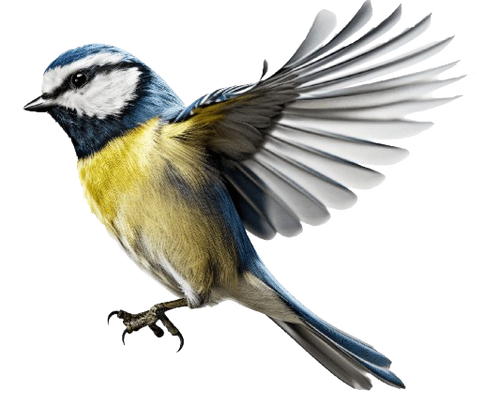
In Canada, it's illegal under the federal Migratory Birds Regulations to damage, destroy, or remove an active nest, meaning one with a live bird, viable egg, or young in it, without a permit, for any of the country's protected migratory bird species. A handful of common nuisance species, including the house sparrow and European starling, aren't protected under that federal Act, and some provinces exempt a few of those same species from provincial nest rules too, so a nest built by one of those specific species on a porch or in an eavestrough isn't in the same legal position as one built by a robin, swallow, or finch.
What Makes a Nest "Active" Under the Law?
A nest is considered active, and therefore protected, once it contains a live bird, a viable egg, or young, rather than simply being an empty structure sitting on a porch or in an eavestrough. An empty nest left over from a previous season generally falls outside that protection, though some species get extended protection even when a nest looks empty, covered next.
Which Species Are Protected, and Which Aren't?
Canada's federal Migratory Birds Regulations protect 395 migratory bird species, and a short list of species, including the house sparrow and European starling, fall outside that protection since they aren't classified as migratory birds under the Act. In Ontario specifically, provincial rules add a short additional exemption list covering the house sparrow, European starling, American crow, brown-headed cowbird, common grackle, and red-winged blackbird, meaning a nest from one of those species generally doesn't need approval to remove, even while in use. A nest built by almost any other species commonly seen around a porch, such as a robin, barn swallow, or house finch, is protected the moment it becomes active, and these provincial exemptions can differ from one province to another, so checking local rules matters if the species isn't one of these well-known exceptions.
What If an Active Nest Is a Protected Species, Like a Robin or Swallow, on My Porch?
An active nest from a protected species generally has to be left in place until the birds finish using it naturally, meaning the eggs hatch and the young fledge and leave on their own. Some species get protection that extends beyond that point: certain birds remain protected even once a nest looks abandoned, until a waiting period tied to that species has passed and the nest has been confirmed empty through a formal process. If an active nest genuinely needs to come down sooner, for a safety or property-damage reason that can't wait, a permit process exists through Environment and Climate Change Canada for exactly that situation, and a licensed wildlife control professional can usually advise on whether a case qualifies.
Can I Prevent Nests Before They're Built Instead?
Yes, and this is the most reliable option, since none of the restrictions above apply until a nest actually becomes active. Installing mesh, netting, or a simple barrier over an eavestrough or porch ledge before nesting season starts, generally early spring in most of Canada, stops a nest from ever being built there in the first place, and it's far simpler than dealing with an active nest later. The store's guide to preparing a backyard for spring nesting season in Ontario covers timing in more detail, and putting up a dedicated birdhouse elsewhere in the yard beforehand can also give nesting birds a more appealing option than a porch or eavestrough. Offering a better alternative helps as well, and mounting a nest box such as the Audubon Cedar Wren/Chickadee House well away from a doorway or eavestrough gives cavity nesters somewhere suitable to settle before they choose the porch.
Frequently Asked Questions
Can I remove an old, empty nest from last year?
Generally yes, once it's confirmed empty and unused, though a small number of species keep extended protection even for an apparently empty nest, so it's worth checking the species if there's any doubt before removing it.
What should I do if an active nest needs to come down urgently for safety reasons?
Contact Environment and Climate Change Canada about a permit for exactly this situation, or reach out to a licensed wildlife control professional who can advise on options without breaking the law.
Does this protection apply to a birdhouse I put up myself, not just a natural nest?
Yes. A bird using a nest box or birdhouse is protected the same way as one using a natural nest once it becomes active, regardless of who installed the structure it's built in.
Are a pigeon's and a starling's nests treated the same as a robin's?
No. The European starling isn't protected under the federal Act, and Ontario also exempts it provincially, while a robin's nest is protected under both as soon as it's active. Rock pigeons aren't confirmed as exempt under Ontario's list, so a pigeon nest should be treated with the same caution as a protected species until confirmed otherwise.
Does putting up mesh before any nest exists count as illegal nest removal?
No. Excluding a space before a nest is ever built isn't nest removal at all, since there's no nest to protect yet, which is exactly why doing it ahead of nesting season is the simplest, lowest-risk approach.