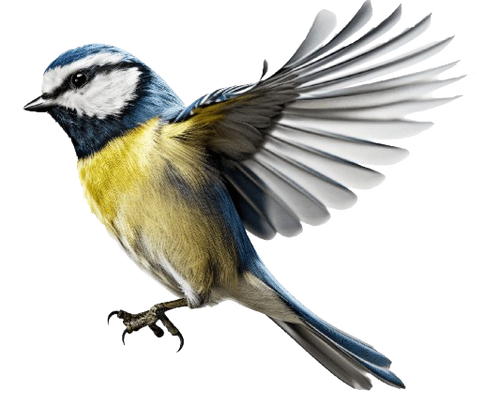
Winter can be one of the most challenging times of the year for our wild birds. Here's how you can help them with the right food, fresh water and a little backyard preparation.
As Canadians, we know that winter can bring some pretty challenging weather. Snow, freezing rain, bitterly cold temperatures and strong winds are all part of life here. While many of us retreat indoors, turn up the thermostat and enjoy a warm cup of coffee, our wild birds have to face whatever Mother Nature decides to deliver.
For birds, winter isn't simply an inconvenience. It can be a particularly demanding time of year when finding enough food and maintaining body temperature become daily challenges.
The good news is that there are several simple things we can do to help.
Providing nutritious, high-energy food, maintaining clean feeders and offering a reliable source of fresh water can make a meaningful difference to the birds visiting your backyard.
And here's something else: winter can actually be one of the most rewarding times of the year for backyard bird watching. With fewer leaves on the trees, many birds are easier to spot, and a busy feeder can provide hours of entertainment.
So, let's look at how we can give our feathered friends a helping hand this winter.
1. Why Is Winter Such a Challenging Time for Wild Birds?
Birds are remarkably well adapted to surviving cold weather. They have insulating feathers, efficient metabolisms and several ways of conserving body heat.
However, staying warm requires energy, and lots of it.
During winter, birds must consume enough calories to maintain their body temperature while dealing with shorter daylight hours and fewer opportunities to find food.
Several factors make this particularly challenging:
Natural food becomes harder to find. Insects disappear or become dormant, berries and other natural food sources become depleted, and seeds can become buried beneath snow.
Freezing rain can be particularly dangerous. A light snowfall might not present a major problem, but freezing rain can coat branches, plants and the ground with ice, making natural food sources difficult or impossible to access.
Wind increases energy demands. Birds exposed to cold, strong winds lose heat more quickly and must expend additional energy to maintain their body temperature.
Shorter daylight hours mean less time to feed. Birds have fewer daylight hours to locate and consume the food they need to get through the night.
This is why providing a dependable source of nutritious food during winter is so important.
2. What Is the Best Bird Seed to Feed Wild Birds During Winter?
Not all bird seed is created equal, particularly when birds need as much nutritional value as possible from every meal.
During winter, I recommend focusing on foods that provide birds with plenty of fats, oils and calories.
If there is one bird food I would recommend above all others, it is sunflower hearts.
Sunflower Hearts: The No-Mess, No-Waste Bird Seed Loved by Birds
If you have never tried sunflower hearts, you are missing out on one of the best ways to feed your backyard birds.
Sunflower hearts are simply sunflower seeds with their outer shells removed. That small difference makes a surprisingly big difference for both birds and the people feeding them.
Here's why I recommend them:
1. Excellent nutritional value
Sunflower hearts provide birds with valuable fats, oils and calories. They are an excellent food source during the colder months when birds need additional energy.
2. No shells and no mess
Anyone who has fed traditional sunflower seeds knows what happens underneath the feeder. Eventually, the ground becomes covered with empty shells and discarded husks.
With sunflower hearts, those shells have already been removed. There are no piles of empty hulls accumulating beneath your feeders, making them particularly attractive for patios, decks and smaller gardens.

3. Virtually nothing goes to waste
Some inexpensive mixed bird seeds contain grains and other ingredients that many backyard birds simply don't prefer. Birds may pick through these mixtures, eating their favourite seeds and tossing the rest onto the ground.
With sunflower hearts, the birds get the good stuff right from the start.
4. Attracts a wonderful variety of backyard birds
Sunflower hearts are particularly popular with cardinals, chickadees, finches, nuthatches, grosbeaks and many other seed-eating birds.
In fact, if you could only offer one type of bird seed in your backyard, sunflower hearts would be my recommendation.
Urban Nature Store offers its popular Sunflower Hearts in several bag sizes, making it easy to get started whether you have one feeder or several.
My advice? Give them a try. Your birds will thank you, and you will appreciate not having to rake up piles of empty sunflower shells when spring arrives!
Don't Forget Nyjer and Other Specialty Seeds
Although sunflower hearts are my first recommendation, you can attract additional species by offering a little variety.
Nyjer seed is particularly attractive to goldfinches and other finches. A dedicated finch feeder with appropriately sized feeding ports will help these smaller birds access the seed.
Peanuts are another excellent option, particularly for blue jays and other birds that enjoy larger food items.
The key is to offer nutritious foods that your local birds will actually eat rather than filling feeders with inexpensive mixtures containing ingredients that often go untouched.
3. Why Suet Is One of the Most Important Winter Bird Foods
If sunflower hearts are my number one recommendation for seed-eating birds, then quality suet is a close second.
Suet provides a concentrated source of fat and energy, making it particularly valuable during cold weather.
Think about it this way: birds spend much of their day looking for food, but during winter, they also need to conserve enough energy to stay warm overnight.
High-fat foods can help them meet those energy demands.
Suet is particularly attractive to several species that you might not see regularly at traditional seed feeders, including:
- Downy and Hairy Woodpeckers
- Red-bellied Woodpeckers
- White-breasted and Red-breasted Nuthatches
- Black-capped Chickadees
- Northern Flickers
- Other suet-eating backyard visitors
Why We Recommend Canadian-Made Mill Creek Suet
At Urban Nature Store, we are particularly pleased to offer Mill Creek Suet, proudly made in Newmarket, Ontario.
We believe in supporting Canadian manufacturers whenever possible, and Mill Creek is a wonderful example of a quality Canadian product that backyard birds love.
Their rich, fatty suet cakes provide an excellent source of energy during the winter months.
There are several varieties to choose from, including:
Mill Creek Insect & Nut Suet Cake
A particularly popular choice for woodpeckers, nuthatches and chickadees. The combination of ingredients makes this an excellent addition to your winter feeding station.
Mill Creek Peanut Premium Suet Cake
Peanuts are a favourite food for many backyard birds, and this variety is another excellent option for attracting a range of feathered visitors.
Mill Creek Fruit & Nut Premium Suet Cake
A delicious combination for birds that enjoy fruit and nut ingredients.

I recommend offering suet in a dedicated suet feeder, preferably in a sheltered location where birds can feed comfortably.
If you enjoy watching woodpeckers, consider a suet feeder with a tail prop. Woodpeckers naturally brace their tails against tree trunks while feeding, so a feeder with this feature can provide a more comfortable feeding position.
And one final thought: when purchasing suet, don't simply look for the cheapest cake available. Quality ingredients and good nutritional value matter, particularly when birds need additional energy during winter.
4. Don't Forget About Water: Birds Need It During Winter Too!
This is one of the most overlooked aspects of winter bird feeding.
We tend to think about food when temperatures drop, but birds also need access to fresh water.
Birds need water for drinking and maintaining their feathers. Clean, properly maintained feathers are essential for insulation and keeping warm.
Unfortunately, natural water sources can become difficult to access once ponds, puddles and other sources freeze.
So what can you do?
Consider a heated bird bath.
A heated bird bath can provide birds with access to liquid water even when outdoor temperatures drop below freezing.
There are several options available, including heated bird baths and bird bath heaters that can be added to suitable existing baths.

Position your bird bath in a relatively sheltered location, preferably where birds have nearby branches or shrubs to perch on.
Don't have a heated bird bath?
You can still help.
On sunny winter mornings, consider putting out a shallow, sturdy container of fresh water. Check it regularly and replace it if it freezes.
Avoid adding antifreeze, salt or other chemicals to water intended for birds.
Remember, providing fresh water can be just as important as providing food.
5. Choose the Right Bird Feeders for Winter
Having the right food is important, but so is having a feeder that allows birds to access it safely and conveniently.
Different feeders attract different species, so offering a few styles can increase the variety of birds visiting your backyard.
Here are some options worth considering:
Tube Feeders
Excellent for sunflower hearts and smaller seed-eating birds such as chickadees, finches and nuthatches.
Hopper Feeders
These offer larger feeding areas and can accommodate several birds at once. They are particularly useful for attracting cardinals, grosbeaks and other larger songbirds.
Suet Feeders
Essential if you want to attract woodpeckers, nuthatches and other birds that enjoy high-energy suet.
Caged Feeders
These can help limit access by larger birds and squirrels while allowing smaller birds to feed.
Squirrel-Resistant Feeders
If squirrels are regularly emptying your feeders, consider an effective weight-activated feeder such as the Brome Squirrel Buster range.
The important thing is to position feeders where birds can access them easily while still having nearby shelter and protection from predators.
6. Where Should You Position Your Winter Bird Feeders?
Feeder placement becomes particularly important during winter.
Ideally, feeders should be positioned where birds have some protection from prevailing winds and easy access to nearby shelter.
Evergreen trees and shrubs can provide excellent cover, allowing birds to retreat quickly when threatened.
However, avoid placing feeders so close to dense cover that predators such as cats can easily ambush visiting birds.
If possible, position feeders where you can see them from a kitchen or living room window.
After all, one of the great pleasures of winter bird feeding is being able to watch a busy feeding station while enjoying a warm cup of coffee indoors!
7. Keep Your Feeders Clean and Your Bird Food Fresh
A busy bird feeder is wonderful, but it is important to remember that feeders bring birds together in one location.
That means regular cleaning and maintenance are essential.
Here are a few simple recommendations:
- Clean seed and suet feeders regularly, generally every one to two weeks, and more often during wet weather or periods of heavy use.
- Remove wet, mouldy or spoiled seed immediately.
- Keep feeding areas beneath feeders free of accumulated droppings and discarded food.
- Store bird seed in a cool, dry location in a sealed container.
- Avoid filling feeders with more food than birds are likely to consume before it becomes damp or spoiled.
- Check feeders after snowstorms and freezing rain to ensure feeding ports remain accessible.
If you notice sick birds or a local disease outbreak, temporarily remove feeders and follow the latest recommendations from Birds Canada and local wildlife authorities.
A little maintenance goes a long way toward keeping your backyard feeding station healthy.
8. Make Your Backyard a Winter Haven for Birds and Wildlife
Feeding birds is a wonderful way to help wildlife, but you can do even more.
Consider leaving some natural food sources available in your garden.
Berry-producing shrubs, native plants, seed heads and mature trees can all provide important food and shelter.
Evergreen trees and shrubs offer protection from wind and predators, while brush piles can provide additional shelter for smaller birds.
Avoid excessive garden cleanup in the fall. Those dried flower heads and seed-bearing plants that might look a little untidy can provide valuable natural food for wildlife.
And if you have the space, consider planting native trees and shrubs that will provide food and nesting opportunities for years to come.
A wildlife-friendly garden is not just something to enjoy in summer. It can provide tremendous benefits throughout the winter.
9. Enjoy the Birds! Winter Is a Wonderful Time for Backyard Bird Watching
One of the things I particularly enjoy about winter bird feeding is the opportunity to spend more time observing our local birds.
With the leaves gone, birds are often easier to spot, and winter visitors can provide some wonderful surprises.
You might see a Northern Cardinal perched on a snow-covered branch, a Downy Woodpecker working its way up a tree, or a flock of chickadees moving between feeders.
Keep a pair of binoculars handy, learn to recognize a few common backyard species and take some time to enjoy the activity outside your window.
You might be surprised by just how many different birds are visiting your backyard.
And if you have children or grandchildren, winter bird watching is a wonderful way to introduce them to nature.
You don't need to travel to a nature reserve or spend hours hiking through the woods. Sometimes the best bird watching happens right outside your kitchen window.
A Few Simple Things Can Make a Big Difference
Winter can be a challenging season for our wild birds, but helping them doesn't have to be complicated.
Start with a few simple steps:
-
Fill your feeders with nutritious, high-energy foods.
-
Make sunflower hearts your primary seed choice.
-
Add rich, Canadian-made Mill Creek suet to attract woodpeckers, nuthatches and chickadees.
-
Provide a reliable source of fresh, unfrozen water.
-
Keep your feeders clean and your food fresh.
-
Offer natural shelter and protection in your garden.
At Urban Nature Store, we believe that enjoying and supporting nature should be something everyone can participate in.
Whether you are an experienced backyard birder or just starting out, a few simple changes can make your backyard a much more welcoming place for wildlife.
And remember, you don't have to wait for a major snowstorm to start helping, birds need our help as soon as it gets cold.
Winter is coming. Your birds are counting on you!
Happy birding!
Urban Nature Store
Your Local Birding and Nature Experts
Nature Inspired Gifts for Every Generation.
Related Reading
For more winter bird-feeding advice, explore our Winter Bird Feeding: Why Backyard Birds Need Our Help Even During Mild Winters article and Feeding Birds Through Frost – My Winter Readiness Checklist.