When winter settles over Southern Ontario, many birds face a challenge—finding enough high- energy food to survive cold nights and short days. That’s where suet comes in. At Urban Nature Store, we know suet is one of the best winter foods you can offer, and our Mill Creek Canadian-Made Suet is a customer favourite for good reason.
What Exactly Is Suet?
Suet is rendered animal fat mixed with seeds, nuts, fruit, or mealworms. It’s high in calories and provides essential energy that helps birds maintain body heat during freezing weather. Unlike seed, suet doesn’t freeze solid—it remains soft enough for birds to peck at even in sub-zero temperatures.
Why Birds Love It
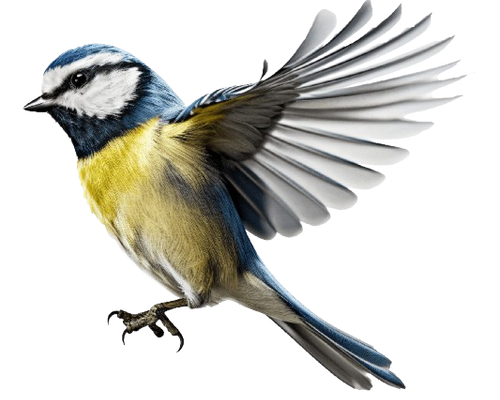
From a bird’s perspective, suet is the ultimate winter fuel. Insects, their natural protein source, are scarce in cold months, so suet becomes an essential replacement. Birds like woodpeckers, nuthatches, chickadees, wrens, and even cardinals see suet as a high-energy meal that keeps them active and warm.
When you hang a suet feeder, you’ll notice birds return again and again throughout the day. That’s because suet provides quick, digestible fat energy they can’t easily find elsewhere in winter.
Why We Love Feeding It
For bird lovers, suet is one of the most rewarding foods to offer. It draws a wide variety of species—often birds that may not visit seed feeders. Plus, feeding suet helps us maintain a connection with nature during winter’s quiet months.
Watching a Downy Woodpecker cling to your feeder or a Red-breasted Nuthatch dart in for a bite brings life and colour to otherwise snowy backyards. And because suet cakes are easy to handle and long-lasting, they make winter bird feeding simple and mess-free.
Why Choose Mill Creek Canadian-Made Suet
At the Urban Nature Store, we proudly feature Mill Creek Suet, made right here in Canada. Supporting a Canadian-made product means supporting local wildlife and sustainable practices—all while ensuring your birds receive the highest quality food.
Here’s what makes Mill Creek stand out:
- Premium Ingredients: Made with pure rendered beef fat and blended with natural ingredients like sunflower seed, peanuts, and mealworms.
- No Fillers: Many commercial suet brands use cheap fillers that birds ignore. Mill Creek focuses on nutrient-dense recipes birds actually eat.
- Weather-Tested Formulas: Designed to hold up in Ontario’s changing climate—firm in summer, but soft and palatable in winter.
- Variety for Every Bird: Whether you choose Mill Creek Insect & Peanut Suet, Fruit & Nut Blend, or High Energy Cake, each attracts a slightly different mix of bird species.
You can find all Mill Creek suet products here at UrbanNatureStore.ca.
Types of Suet Feeders and How to Use Them
Choosing the right feeder helps you get the most from your suet.
- Cage Feeders: The classic choice—simple wire cages that hold one or two cakes. Perfect for woodpeckers and chickadees.
- Tail-Prop Feeders: Designed for larger woodpeckers like the Hairy or Pileated, giving them a place to brace their tails while feeding.
- Upside-Down Feeders: Ideal if you want to discourage starlings and grackles, as small birds like nuthatches can still feed easily.
- Suet Logs & Balls: Great for a natural look and easy refilling—Mill Creek suet plugs fit most log feeders.
Pro tip: Hang suet feeders in a sheltered area, out of direct sun, and at least 5–6 feet off the ground. Refill as needed and clean feeders regularly to prevent buildup.
What Birds Think You’re Doing (and What You Really Are)
If birds could thank us, they’d see suet feeding as a survival lifeline—a reliable, high-energy food source when nature’s pantry is bare.
But from our side, we gain something equally valuable. Feeding suet isn’t just about helping birds survive—it’s about deepening our relationship with the wild spaces around us. Each time we step outside to refill a feeder, we participate in a small act of conservation.
You’re not just feeding a woodpecker; you’re supporting biodiversity in your neighbourhood and giving native species a better chance to thrive.
When and Where to Feed Suet in Southern Ontario
Suet can be offered year-round, but it shines in the cold months (November through March). In Southern Ontario, that’s when natural food is hardest to find.
If you want to feed suet in warmer weather, choose no-melt Mill Creek formulas, which resist softening in the sun. Place feeders in shaded areas to reduce spoilage and always discard old or moldy suet.
To birds, suet means survival. To us, it means joy, connection, and the chance to support local wildlife in a tangible way.
Whether you’re new to bird feeding or a seasoned enthusiast, Mill Creek Canadian-Made Suet, available at Urban Nature Store, offers the best blend of quality, nutrition, and local craftsmanship.
So this winter, hang up a suet feeder, grab a cup of coffee, and watch as your backyard transforms into a lively haven of woodpeckers, nuthatches, and chickadees. Because feeding suet isn’t just a treat for birds—it’s a gift for all of us who love nature.