By Paul Oliver, Founder, Urban Nature Store
Ontario winters can be tough on our backyard birds. Freezing temperatures, snow-covered ground and shorter daylight hours make finding food more challenging just when birds need plenty of energy to stay warm.
The good news is that providing the right foods can make your backyard a welcome stop for birds throughout the winter. From sunflower hearts and high-energy suet to protein-rich mealworms and a reliable source of water, a few simple choices can help your feathered visitors thrive during the coldest months.
At Urban Nature Store, we recommend focusing on foods that deliver plenty of energy, are easy for birds to eat and suit the species visiting your feeders.
1. Sunflower Hearts: An Excellent Winter Food
If I had to recommend one winter bird food for Ontario backyards, sunflower hearts would be near the top of my list.
Sunflower hearts are sunflower seeds with their outer shells removed. They provide birds with valuable fats, protein and energy without requiring them to crack open the shells first.
During winter, birds have limited daylight hours to find food and replenish the energy they use to maintain their body temperature. Sunflower hearts allow birds to access the food inside quickly, without spending additional energy removing the shells. The seed is also easy for many species to eat.
Sunflower hearts are especially popular with:
- Black-capped Chickadees
- Northern Cardinals
- House Finches
- American Goldfinches
- White and Red-breasted Nuthatches
- Downy and Hairy Woodpeckers
Another advantage? Because sunflower hearts have no outer shells, they create considerably less mess beneath your feeder. That is a welcome benefit when you would rather spend your winter watching birds than cleaning up discarded seed shells.
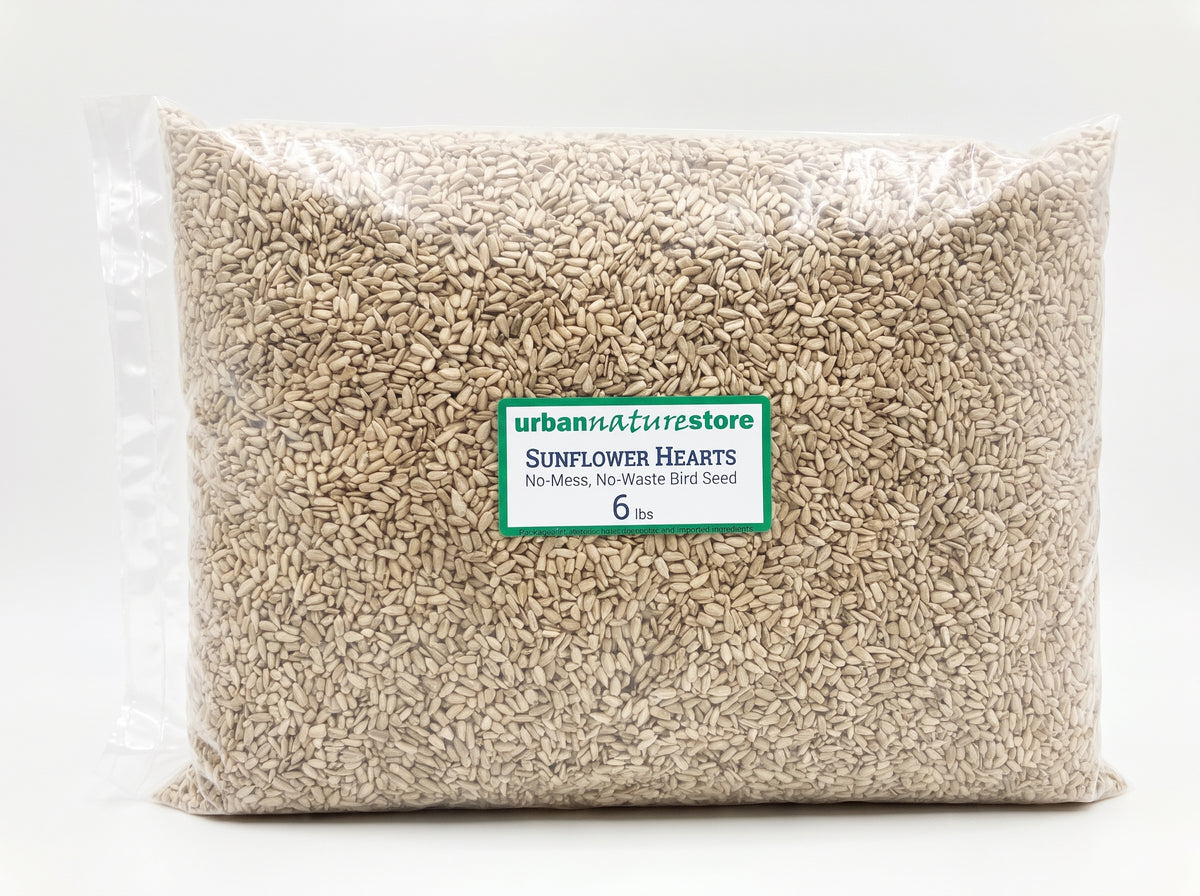
Use a suitable hopper, or tube feeder, and keep the hearts dry. Wet seed can spoil, so choose a feeder that offers reasonable protection from snow and rain. Our feeder recommendations include any size of the Brome Tube Solution Feeders, Squirrel Buster’s Legacy, Plus, Standard or Evolution, or if you prefer a hopper feeder, the Kingsyard Weatherproof See-Through Double Suet Hopper Bird Feeder.
2. Black Oil Sunflower Seed: A Winter Favourite
Black oil sunflower seed is another excellent choice for winter feeding. Its relatively thin shell makes it easier for many birds to open than some other types of sunflower seed, and its high oil content provides valuable energy.
It attracts many of the same species as sunflower hearts, including chickadees, cardinals, finches and nuthatches.
If you want to attract a variety of birds, try offering black oil sunflower seed in a hopper feeder alongside sunflower hearts in a separate feeder. This gives birds more feeding options and lets you discover which foods your backyard visitors prefer.
Choose quality seed with minimal unwanted fillers. Birds often leave less desirable ingredients behind, creating waste and attracting unwanted visitors to the feeding area.
3. Suet: A High-Energy Winter Essential
Rich, fatty suet is one of the best foods to offer birds during cold weather. Suet provides concentrated energy in a compact form, making it particularly valuable for birds that need to replenish their energy reserves throughout the day. Canadian made Mill Creek Suet offers a variety for you to choose from including the ever popular Insect and Nut.
Woodpeckers are enthusiastic suet visitors, while chickadees, nuthatches and other species may also enjoy it.
Offer suet in a purpose-designed suet cage or feeder that allows birds to cling and feed safely. Position it near suitable cover, while leaving enough open space for birds to watch for predators. There are many models to choose from including Songbird Essentials Double Suet Feeder, Green. This suet feeder has a tail prop which allows woodpeckers to easily balance while feeding. If squirrels are an issue, you may want to consider Brome’s Squirrel Buster Suet Feeder.

In milder winter weather, monitor suet carefully and follow the product's storage instructions. Use formulations appropriate for the temperatures in your area, and replace spoiled or rancid products.
Want more woodpeckers in your backyard? Adding a suet feeder is a simple way to make your feeding station more attractive to these fascinating birds.
4. Mealworms: An Extra Protein Boost
Sunflower seed and suet provide important energy, but mealworms offer something different: a concentrated source of protein.
Dried mealworms can be offered in a shallow tray or suitable feeder. They may attract Black-capped Chickadees, nuthatches and other insect-eating birds that visit feeders. Some birds take to mealworms quickly, while others may need time to discover them.
Protein is important for maintaining body tissues, feathers and general health. Mealworms can complement a winter feeding station, although they should be one part of a varied diet rather than the only food offered.
Try placing a small quantity in a visible location and see which birds come to investigate. Backyard Essentials Deck and Ground Feeder would be a good one to start with.
5. Don't Forget Water!
Food is only part of the winter equation. Birds also need access to water for drinking and, when conditions allow, bathing.
Natural water sources can freeze solid during Ontario winters. A shallow birdbath with regularly refreshed water can therefore be a valuable addition to your backyard.
Where practical, consider a purpose-designed heated birdbath or an appropriate birdbath heater. Follow the manufacturer's electrical and outdoor-safety instructions, and keep the water clean. Never add antifreeze, salt or other chemicals to prevent freezing. Heated birdbaths come in many styles including Allied Precision’s Deck Mounted Heated Birdbath, 20 inch, or Farm Innovator’s 3-in-1 Heated Birdbath or All Seasons Decorative Birdbath with Pedestal. If you already have a birdbath that is safe to leave out during the winter months you could use a bird bath heater such as the Allied Precision 250 Watt Aluminum Bird Bath De-Icer. An outdoor electrical outlet is required for heated birdbaths and de-icers.

Even in winter, clean water can make your backyard more inviting to birds.
6. Make Your Winter Feeding Station Bird-Friendly
The right food works best when combined with good feeder placement and regular maintenance.
- Provide shelter: Place feeders reasonably close to shrubs or trees where birds can seek cover, while avoiding locations that allow cats to ambush them.
- Keep food accessible: Clear heavy snow from feeding areas and check that feeder openings are not blocked by ice.
- Maintain a consistent supply: Birds may come to rely on familiar feeding locations, so replenish food regularly when possible.
- Keep feeders clean: Remove wet or spoiled seed and clean feeders routinely, even during cold weather. Allow them to dry thoroughly before refilling.
- Offer variety: Different species have different feeding preferences. A combination of sunflower hearts, black oil sunflower seed, suet and mealworms can attract a wider range of visitors.
Enjoy Ontario's Winter Birds
Many birds remain in Ontario throughout the winter, including Black-capped Chickadees, Northern Cardinals, Downy Woodpeckers, White-breasted Nuthatches and several finch species. Depending on your location and the season, you may also welcome visitors such as Dark-eyed Juncos and Common Redpolls.
Providing nutritious food, clean water and well-maintained feeders gives you a wonderful opportunity to observe these resilient birds up close.
Winter bird feeding is also one of the simplest ways to bring nature into your everyday life. A cup of coffee beside the window, a warm room and a steady stream of feathered visitors can make even a cold January morning a little brighter.
At Urban Nature Store, we can help you select the right winter seed, suet, mealworms, feeders and birdbath accessories for your backyard.
Visit UrbanNatureStore.ca or stop by one of our stores. Let's make winter a little easier for our feathered friends!
Paul Oliver
Founder, Urban Nature Store
Your Local Birding and Nature Experts
Related Reading
For more Ontario and Canadian winter bird-feeding advice, explore our The Complete Guide to Winter Bird Feeding: How to Help Our Wild Birds Survive and Thrive Through a Canadian Winter, How to Choose the Right Bird Feeder for Winter in Southern Ontario, and What I Feed My Wild Birds in Winter.