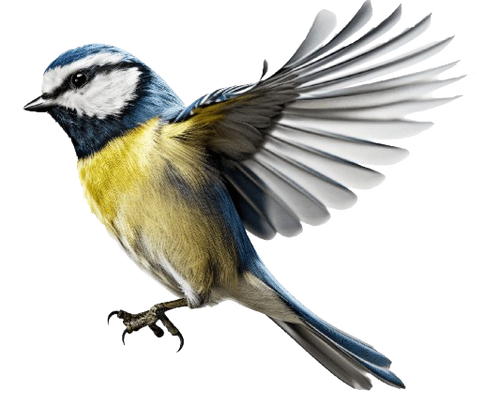
A balcony can be a useful place to watch birds, even if it barely fits two chairs. The trick is to work with the space you have. A compact feeder, a little shelter and a careful cleaning routine can make a difference, while poor placement can create problems for both birds and neighbours.
Start with your building’s rules, then think about what birds can safely reach your balcony and how you will manage fallen seed. If your building doesn’t permit feeders, there are still good ways to enjoy birds from an apartment.

A hummingbird visiting a nectar feeder.
Check the building rules before setting up a feeder
Ask your landlord, condo corporation or property manager whether feeding birds is permitted. Some buildings prohibit feeders or anything attached to railings, while others restrict items that hang beyond the balcony. A feeder that drops hulls or seed onto the balcony below can also cause complaints. Never drill into shared surfaces or install a railing attachment without permission.
If feeders are allowed, keep the entire setup inside your balcony boundary. Use a stable mounting method suited to the weight of a filled feeder and to local wind conditions. A small feeder is easier to secure, refill and clean than an elaborate feeding pole.
Choose a feeder that fits an apartment balcony
A window feeder for close-up watching
A compact suction-cup feeder can be practical where the glass is accessible from inside for cleaning and the window design allows a secure fit. Urban Nature Store carries the Perky-Pet Window Feeder, with a removable seed tray and a stated capacity of half a pound. Check the suction cups regularly and remove the feeder in unsafe winds or if it will not hold securely.

A compact, window-mounted bird feeder. Photo provided from Urban Nature Store.
For another window-mounted seed feeder, consider the Aspects Transparent Window Cafe Feeder. Its transparent design has a protective roof and a removable seed tray for easier refilling and cleaning. Check window access, suction-cup attachment, and your building rules before installing it.

Aspects Transparent Window Cafe Feeder, shown with a Northern Cardinal. Official Urban Nature Store product photo.
A small hanging feeder when the balcony allows it
A tube feeder can give small birds several places to perch without taking up much room. Mount it far enough inside the balcony that nothing can swing into a neighbour’s property. Make sure you can reach it safely for cleaning. Avoid reaching over the railing to refill a feeder.

A White-breasted Nuthatch visiting a peanut feeder.
Keep seed waste to a minimum
Seed shells and scattered food are a bigger issue on an apartment balcony than in a garden. For a first feeder, Sunflower Hearts: No-Mess, No-Waste Birdseed is a strong choice. Removing the hulls means less shell litter, although dropped kernels and bird droppings still need cleaning.
If finches already visit nearby trees or outdoor feeders, Finch & Friends Mix offers a blend of nyjer, finely chopped sunflower hearts, white millet and canary seed. Use a feeder designed to hold small seed and start with modest quantities. Fresh food is more useful than a feeder full of damp, aging seed.
Doves sometimes visit urban balconies, especially at lower levels, but scattering millet on a floor or ledge can attract pigeons, rodents and complaints. Only offer ground-feeding food if your building allows it and you can prevent spillage onto neighbours’ property. In many apartments, it is better to skip floor feeding altogether.
Make the glass safer before attracting birds closer
Balcony doors and picture windows can reflect sky and trees. Birds may not recognize those reflections as barriers. Environment and Climate Change Canada recommends keeping feeders less than one metre from glass to reduce collision severity for birds leaving a feeder. This does not eliminate strikes, so exterior window treatments are important too.
For larger panes, consider a visible exterior pattern across the glass rather than a few isolated stickers. Urban Nature Store offers Feather Friendly Decal, 3 Roll (Light Grey/White) with markers spaced about five centimetres apart. For decorative options, Birds Window Gems can break up reflections, but make sure the arrangement provides sufficient coverage for the whole hazard area.

Exterior window markers help make glass more visible to birds. Product photograph provided from Urban Nature Store.
Read the Government of Canada’s bird-window collision advice before installing a feeder near glass.
Add shelter with container plants
Plants can offer perches and shelter without requiring a backyard. Choose containers and species suitable for your balcony’s sun exposure, wind and weight limits. Where possible, choose locally native plants that support insects and visiting birds. Ask your local native-plant nursery about species appropriate for your region, since options differ between Southern Ontario, the Prairies, Atlantic Canada and the West Coast.
Keep pots secure in windy weather, avoid pesticides and do not promise yourself that flowers alone will bring hummingbirds to every high-rise. Species and seasonal visits depend on where you live and the habitat around the building.
Water helps, but a balcony birdbath needs extra care
A shallow, stable water dish may bring visitors, especially during warm spells. Change water daily and scrub the dish regularly. Place it where splashing cannot drip onto other balconies, and do not leave standing water to freeze into a hazard. If space or building rules make a birdbath impractical, skip it. Birdwatching from the window is worthwhile without one.
Clean often and pay attention to signs of illness
Birds Canada recommends cleaning seed and suet feeders every week or two, more often in wet weather or during heavy use. Empty old seed, take the feeder apart, scrub with warm water and dish soap, rinse thoroughly and let it dry before refilling. Clean the balcony floor beneath the feeder as well.
If you notice a sick bird, unusually lethargic behaviour or multiple dead birds, stop feeding and follow local wildlife-health guidance before resuming. Birds Canada’s Best Practices for Feeding Birds in North America is a useful reference.
What birds might visit a Canadian balcony?
House Finches, American Goldfinches, chickadees and other small feeder birds are possibilities in parts of Canada, but the mix varies by city, season, surrounding habitat and balcony height. Urban Nature Store’s earlier Birding Tips for Condo Dwellers notes that House Finches may even visit high-rise feeders. A view toward nearby trees may matter more than being on a particular floor.
If your feeder stays quiet, don’t keep piling on seed. Give local birds time to discover it, keep food fresh, and watch the trees, rooftops and sky around your building. Urban birding also includes observing swifts, gulls and birds of prey from a balcony where feeding is not appropriate.

An American Tree Sparrow in the snow. Winter conditions affect how birds find food and shelter.
A simple first-week balcony setup
Begin with one permitted, securely fitted feeder and a small quantity of sunflower hearts. Check the glass, watch for dropped food, and inspect the feeder after windy weather. Clean up as soon as seed collects beneath it. Add plants or a second feeder only when the first setup is working without mess or complaints.
In a small apartment, one well-managed feeder usually makes more sense than several crowded ones. The aim is a viewing spot you can enjoy and maintain through the season, with birds able to arrive and leave safely.
Frequently asked questions
Can birds find a feeder on a high apartment balcony?
Sometimes. Birds have been observed visiting high-rise feeders, but visits depend on nearby habitat, the species present and how exposed the balcony is. There is no floor number that guarantees success.
What birdseed makes the least mess on a balcony?
Hulled sunflower hearts avoid discarded shells and are a sensible starting seed. They can still be dropped, so a catch tray and regular cleaning remain important.
Should I attach a bird feeder to the balcony railing?
Only if building rules permit it, the attachment is secure and nothing hangs or falls beyond the balcony. Never mount a feeder where refilling or cleaning requires leaning over the railing.
How often should balcony feeders be cleaned?
Every week or two under normal conditions, and more frequently in damp weather or when lots of birds are visiting, following Birds Canada’s guidance.
What if my apartment prohibits bird feeders?
Try balcony container plants where permitted, use binoculars to watch nearby trees and rooftops, and learn local bird calls. A feeder is only one way to enjoy urban birds.