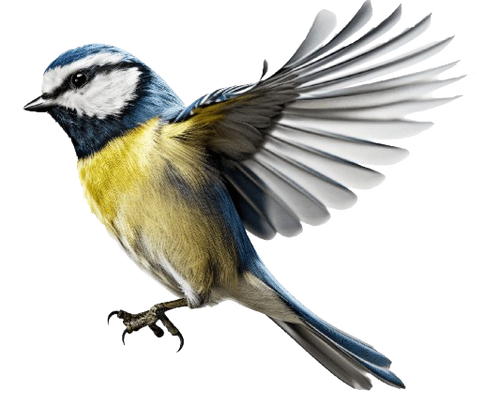
A bird feeder can be full of good seed and still sit empty for days if its location leaves birds exposed. Placement affects which species visit, how safely they can approach, whether the seed stays dry, and how easily squirrels reach it. The most useful starting point is to choose a sheltered spot that you can see and clean, then adjust the height and feeder style for the birds you hope to attract.
Across much of southern Canada, chickadees and nuthatches may use hanging feeders, Northern Cardinals often appreciate a roomy platform, and Mourning Doves favour feeding at ground level. The exact mix of birds will depend on your region and season.

A feeder near a home offers an easy place to watch visiting birds.
How high should a bird feeder hang?
For a typical hanging tube or hopper feeder, about 1.5 to 1.8 metres (5 to 6 feet) above the ground is a practical starting point. It is high enough to reduce easy access for some ground predators while remaining manageable for refilling and cleaning. These measurements are a guide, not a requirement for every species or every yard.
A pole-mounted feeder should be installed according to its manufacturer’s height and anchoring instructions. Consider snowbanks too: a feeder that is well above the ground in summer may be much closer to a jumping surface after heavy snowfall.
Urban Nature Store’s Brome Squirrel Buster Standard is a hanging seed feeder with a weight-sensitive closure. Leave it the clearance specified by Brome so branches or nearby surfaces cannot support a squirrel reaching the ports.

Brome Squirrel Buster Standard hanging seed feeder.
Ground feeders and platform feeders sit lower
Mourning Doves, Dark-eyed Juncos and several sparrows often collect fallen seed or use low platforms. Offer a purpose-built tray in a visible, open spot with good drainage, rather than piling seed on wet soil. Avoid low feeding stations where neighbourhood cats can hide close enough to ambush birds.
The Audubon 3-in-1 Platform Feeder can hang, mount on a pole or sit on the ground, making it useful when deciding which height works for your yard.

Audubon 3-in-1 Platform Feeder with a hanging option.
How far should a feeder be from a window?
A useful rule is to place a feeder within about 1 metre (3 feet) of the glass, or more than 9 metres (30 feet) away. Close placement can reduce the speed of a bird that strikes a window after leaving a feeder. The greater-distance option separates feeding activity from the building. Do not assume the distance alone makes a window safe, especially if the glass reflects trees or sky.
Treat the outside of hazardous windows with closely spaced, visible patterns across the entire glass. A few widely spaced decals are unlikely to protect a large window. For the product discussion, consider Urban Nature Store’s Window Alert Transparent Bird Strike Deterrent, while checking that the chosen treatment meets current bird-safe spacing guidance for your particular windows.

Window Alert decals help make glass more visible to birds.
Look closely at corner windows, glass deck railings and large reflective panes near a tree. Moving feeders will not remove all collision risks if birds continue to fly toward reflections.
Keep shelter nearby, without creating an ambush point
Birds often pause in a tree or shrub before coming to a feeder. Cover around 3 metres (10 feet) away can provide a useful balance: close enough to reach quickly, but not so close that cats or squirrels can leap easily onto the feeding station. Assess the actual vegetation and keep ground-feeding areas especially visible.

Northern Cardinals in the branches. Dense vegetation can provide a resting place near feeders.
If you have several feeders, space them apart rather than crowding every feeding port into one small spot. This may reduce competition and lets you watch how different birds use the garden. A feeder near a kitchen window can still be pleasant to watch if its glass is made safer.
Where different birds prefer to feed
Chickadees, nuthatches and finches: hanging feeders
Small perching birds are comfortable at many tube feeders and often approach from nearby branches. For seed-eating species, a feeder filled with Sunflower Hearts is a useful starting point. Keep it sheltered from strong wind and accessible for frequent cleaning.

A small yellow songbird at a hanging feeder.
Northern Cardinals and jays: provide room to land
Northern Cardinals will use several feeder styles, but a stable tray or platform gives them space to settle. Position it away from a hiding place for cats and where dropped seed can be cleaned up. The best place is usually one with nearby escape cover and a clear view of approaching danger.
Woodpeckers: place suet where they can cling
Woodpeckers and nuthatches can grip tree bark and feeder cages. A suet feeder with a tail prop offers a landing surface for larger woodpeckers. Urban Nature Store lists the Recycled Composite Plastic Suet Feeder with Tail Prop for this purpose. Hang it where birds have a clear approach, away from a window-strike risk.

A tail-prop suet feeder provides support for clinging birds such as woodpeckers.

A woodpecker on a tree trunk, a reminder that some birds naturally forage on vertical surfaces.
Mourning Doves and juncos: low, open feeding spots
Ground-feeding birds need visibility. Use a low tray with drainage, keep food from building up on the ground, and do not set feeders beside dense hiding places for cats. If you notice sick birds, stop feeding temporarily and clean the equipment thoroughly following local wildlife guidance.
Wind, winter snow and squirrels can change the best spot
A location that works in July may be frustrating in January. In Canadian winters, keep feeders away from roof runoff, drifting snow and exposed corners where seed gets wet. Check that you can reach the feeder safely without standing on ice or climbing onto an unstable stool.
Squirrels may jump from trees, fences, rooftops and deck railings. A squirrel-resistant feeder still needs adequate clearance around it. Follow the manufacturer’s placement instructions and use a suitable pole baffle where appropriate. If animals can launch from the nearest branch onto the top of the feeder, moving it a few feet may matter more than changing the seed.
A quick placement check before you fill the feeder
- Choose a spot that is easy to view, refill and wash.
- Protect nearby glass, then place the feeder close to the window or well away from it.
- Keep escape cover within reach without hiding predators beside the feeder.
- Match the height and feeder style to the birds visiting your area.
- Check drainage, winter access and squirrel jump points.
Give a new location some time. Birds need to discover the food, and the species visiting your yard may change through migration and the seasons. If you notice repeated window strikes, wet seed or squirrels reaching the feeder, make the necessary adjustment before adding more food.
Frequently asked questions
Is five feet high enough for a bird feeder?
For many tube and hopper feeders, yes. A height of roughly 5 to 6 feet is a common starting point, but follow the manufacturer’s instructions and consider predators, snowbanks and safe access.
Can I hang a feeder directly outside my window?
Yes, provided it is installed securely and the glass is treated to reduce collision risk. Placing a feeder within about 3 feet is one established placement guideline, not a substitute for marking dangerous glass.
Should my feeder hang in sun or shade?
Partial shade often helps keep food from overheating or getting weathered, and some shelter from wind makes perching easier. Avoid damp, poorly drained locations and refill with fresh, dry seed.
Should different birds have feeders at different heights?
Offering more than one height can help. Tube feeders suit many perching songbirds, platforms accommodate larger birds, and low trays appeal to doves and juncos. Keep every station safe from cats and window collisions.
For more help selecting a feeder, see Urban Nature Store’s Beginners Guide to Bird Feeding. Choosing the feeder and its location together gives your backyard birds a better chance to feed comfortably, and leaves you with a setup that is practical to maintain.