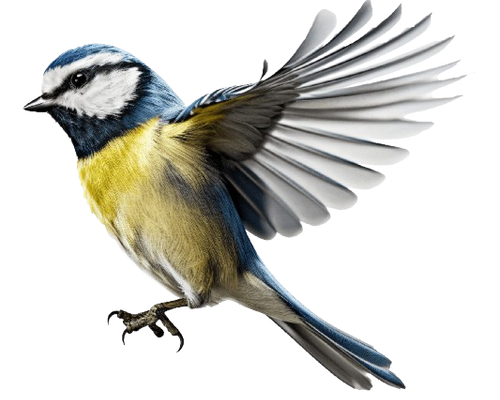
Birdhouses are more than charming garden décor — they provide essential shelter and breeding sites for a variety of bird species in Southern Canada. From chickadees and bluebirds to wrens and nuthatches, offering a safe and well-designed birdhouse can support local populations, attract a diversity of birds to your backyard, and enhance your birdwatching experience.
At Urban Nature Store, we’re passionate about helping Canadians create safe and welcoming habitats for birds. In this guide, we cover how to select the right birdhouse, understand species-specific needs, and maintain your birdhouse for longevity and bird health.
Why Birdhouses Matter
In Southern Canada, natural cavities in trees can be limited due to urbanization, logging, and seasonal weather events. Many cavity-nesting species rely on these spaces to lay eggs and raise their young. By providing birdhouses:
- You offer safe nesting spaces away from predators.
- You help increase the breeding success of local birds.
- You attract birds that control insects, disperse seeds, and enhance biodiversity.
- You create an engaging backyard for observation and education.
- Birdhouses complement natural habitat and help support birds year-round, especially during breeding season in spring and early summer.
Selecting the Right Birdhouse
When choosing a birdhouse, the type of bird you want to attract should guide your selection. Key considerations include size, entrance hole diameter, placement, and materials.
1. Materials
- Birdhouses should be made from safe, durable, and weather-resistant materials. Common options include:
- Untreated Wood: Cedar and pine are ideal. Avoid pressure-treated wood or toxic
- paints, as chemicals can harm birds.
- Recycled Wood/Composite: Some eco-friendly composites are weather-resistant and safe for nesting.
- Metal or Plastic: These materials can be used, but metal can overheat in summer, and some plastics may not insulate well against cold.
Urban Nature Store’s wooden birdhouses use untreated, high-quality cedar designed to withstand Southern Canada’s seasonal temperature swings.
2. Size and Entrance Hole Diameter
Different birds require different house dimensions. Here are common backyard species and recommended birdhouse specifications:
- Bird Species Floor
- Dimensions
- Height
- Entrance Hole
- Diameter Notes
Black-capped Chickadee - floor 4x4 inches, depth 8-10inches, opening 1 ⅛ inches; Small, adaptable, often nest in groups.
House Wren - floor 4x4 inches, depth 6-8 inches, opening 1 inch; Prefers sheltered spots, may fill boxes with sticks.
Eastern Bluebird - floor 5x5 inches, depth 8-10 inches, opening 1 ½ inches; Needs open surroundings, prefers posts over trees.
Nuthatch - floor 4x4 inches, depth 8-10 inches, opening 1 ¼ inches; Vertical placement works best, often near conifers.
Tree Swallow - floor 4x4 inches, depth 7-9 inches, opening 1 ½ inches; Open areas with nearby water are ideal.
Entrance hole size is crucial — too large allows predators, while too small prevents birds from entering. Tailor your birdhouse to the species you wish to attract for the best results.
3. Roof Design and Ventilation
- Sloped Roof: Prevents water from collecting inside
- Overhangs: Protect the entrance from rain and predators
- Ventilation Holes: Allow airflow to keep the nest from overheating in summer
- Proper ventilation and drainage ensure the birdhouse stays dry and safe for eggs and chicks.
4. Placement Considerations
Correct placement increases occupancy and reduces predation:
- Height: Most backyard birds prefer birdhouses mounted 5–10 feet above ground
- Orientation: Face the entrance away from prevailing winds, often east or southeast.
- Distance from Trees and Shrubs: Avoid too close placement where predators can climb, but nearby cover offers perching opportunities
- Sun Exposure: Partial shade helps prevent overheating in summer
Using a secure pole or post is often safer than hanging from a tree branch, which can attract predators like squirrels or raccoons.
Caring for Your Birdhouse
A well-maintained birdhouse can last many seasons. Proper care improves nesting success and keeps birds healthy.
1. Cleaning
Clean the birdhouse twice per year, preferably in early spring before nesting season, and again in the fall for birds to use for shelter in the winter months.
Remove old nesting material and scrub the interior with a mild bleach solution, or vinegar (1 part bleach/vinegar to 9 parts water), then rinse and dry thoroughly
Avoid strong chemical cleaners, as residues can harm birds. A mild detergent such as Dawn can also be used.
2. Inspect for Damage
- Check for cracks, loose screws, or damaged roofs.
- Ensure entrance holes have no splintered edges.
- Replace or repair any parts that may compromise safety or stability.
3. Monitor Occupancy
- Observe which bird species use your birdhouse.
- Note the timing of nesting, egg-laying, and fledging.
- Adjust placement or entrance sizes for future seasons based on observations.
Differences Between Birdhouse Types Based on Bird Species
Birdhouses can be customized to meet species-specific needs. Here’s a quick overview:
1. Cavity-Nesting Birds (Chickadees, Nuthatches, Bluebirds)
- Prefer wooden houses with small entrance holes.
- Need proper drainage, ventilation, and a stable interior.
- Typically require clean, predator-safe sites with partial cover nearby.
2. Wrens and Small Songbirds
- Smaller houses with tight entrances work best.
- Wrens may fill boxes with sticks; leave room for nesting.
- Placement in shrub areas or semi-covered locations is preferred.
3. Tree Swallows and Open-Area Species
- Prefer open areas with a view of the surrounding sky.
- Boxes are most often mounted on poles or posts away from trees.
- Entrance holes are slightly larger (1 ½ inches) to accommodate swallow size.
4. Multi-Species or General Purpose Birdhouses
- Slightly larger boxes with adjustable entrance plates allow flexibility.
- Can support multiple small species throughout different seasons.
- Ideal for backyard birders wanting diversity.
Additional Tips for Successful Birdhouse Use
- Provide Food Nearby: Place feeders with sunflower hearts, safflower seeds, or mixed seed near birdhouses to encourage occupancy.
- Water Sources: A birdbath or small fountain nearby enhances habitat appeal.
- Predator Guards: Use baffles or pole sleeves to deter raccoons, squirrels, or cats.
- Avoid Pesticides: Birds rely on insects for protein, especially when feeding chicks.
Conclusion
Choosing and maintaining a birdhouse in Southern Canada is both rewarding and impactful for local wildlife. By selecting the right size, material, entrance hole, and placement, you can attract a variety of species, including chickadees, bluebirds, wrens, nuthatches, and swallows. Regular care, cleaning, and attention to predator protection ensure your birdhouse remains a safe and welcoming home year after year. With the right combination of a safe birdhouse, nearby food sources like Urban Nature Store Sunflower Hearts, fresh water, and careful monitoring, your backyard can become a thriving hub for birds in Southern Canada.
Whether you’re a casual observer or a dedicated bird enthusiast, investing in a high-quality birdhouse enhances your bird watching experience while providing valuable support to local bird populations.
Explore our selection of birdhouses, baffles, portal protectors, and premium bird food at UrbanNatureStore.ca to create a backyard habitat that both you and your feathered visitors will love.
Happy Birding!