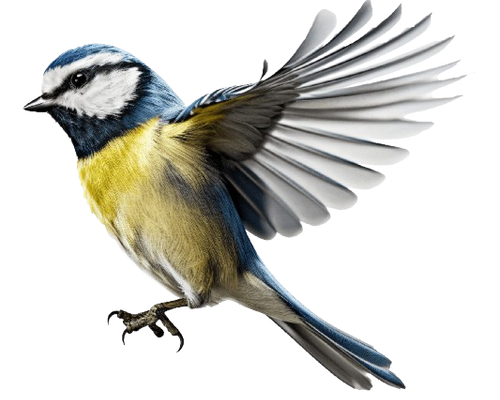
With each passing day we see more daylight, and so do spring migrants. There are two main factors that birds react to when deciding to head north. The first is watching the daylight clock, the primary migration driver and the second is the weather. Warm southerly winds bring the next wave of birds, from herons and snipe to sparrows and kinglets.

Most songbirds travel at night, using their magnetic compass and the stars to guide them. They avoid flying predators that way. Others, like hawks, swallows and Eastern Phoebes travel by day, using visual cues for direction. As we head into May, we will see a rush when the majority of birds head for their summer destination. The journey will soon be over. Happy Birding!
By Brian Morin
Publisher of Ontario Birding News