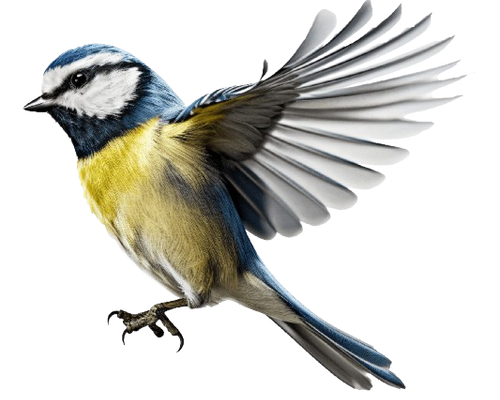
Spring is one of the most exciting times for backyard birdwatchers in Canada. Migratory birds are returning, breeding season is beginning, and your backyard can become a lively hub of color and song. But after a long winter, your bird feeders may need careful preparation and cleaning to ensure they are safe, attractive, and effective for the birds returning to your yard.
At Urban Nature Store, we understand how essential feeder maintenance is for the health and safety of birds. Proper cleaning, seed selection, and setup will help you welcome a variety of species this spring, from chickadees and finches to cardinals, grosbeaks, and woodpeckers. This guide covers the steps to prepare your bird feeders for spring, including cleaning techniques, seed recommendations, and placement tips.
Why Spring Feeder Preparation Matters
After months of winter, feeders can accumulate mold, bacteria, old seed, and debris that may harm birds if not addressed. Spring is also the start of the breeding season, when birds are more active and selective. Proper preparation ensures:
- Bird Health: Removing moldy seed and cleaning feeders prevents disease
- transmission, which can be deadly for small songbirds.
- Attracting Migrants: Clean, well-stocked feeders are more appealing to returning
- migratory birds.
- Longer Feeder Lifespan: Maintenance prolongs the life of your feeders and keeps them functional throughout the season.
Step 1: Cleaning Your Feeders
Cleaning is the most critical part of spring feeder preparation. Follow these steps for a thorough,bird-safe process:
- Disassemble Your Feeders: Remove all parts, including perches, trays, and caps.
- Remove Old Seed: Dispose of any leftover seed that may have become stale, moldy, or wet during the winter.
- Scrub Thoroughly: Use a stiff brush and warm, soapy water to remove dirt, mold, and debris. Pay special attention to corners and crevices.
- Sanitize: Soak feeders in a mild bleach or vinegar solution (1 part bleach/vinegar to 9 parts water) for 10–15 minutes. This kills bacteria, fungi, and mold spores.
- Rinse and Dry: Rinse thoroughly with hot water to remove all bleach residues and allow feeders to air-dry completely before refilling.
Urban Nature Store feeders, including the Squirrel Buster line and tube, hopper, and suet feeders, are designed for easy disassembly and cleaning, making spring maintenance simpler.
Step 2: Selecting Fresh Seed
Spring is the perfect time to provide high-quality seed for returning birds. Fresh seed encourages frequent visits and supports breeding birds that need extra energy for nesting.
Recommended seeds include:
- Sunflower Hearts (“No-Mess, No-Waste”) – Perfect for our backyard birds, these seeds are fully hulled and chemical-free.
- Black Oil Sunflower Seeds – High in fat and protein, ideal for attracting a wide range of backyard birds.
- Safflower Seed – Favored by cardinals, house finches, rose-breasted grosbeaks, and mourning doves while discouraging squirrels.
- Specialty Blends – Mixes of sunflower, safflower, and nyjer seed cater to various bird species and encourage diversity in your yard.
- Avoid leftover winter seed, which may have lost nutritional value or become moldy during storage.
Step 3: Inspecting and Repairing Feeders
Before refilling your feeders, inspect each one for damage:
- Check for Cracks or Rust: These can reduce feeder durability or make the feeder
- unsafe.
- Examine Perches and Ports: Ensure all perches are secure and entrance holes for tube feeders are free from blockages.
- Replace Worn Parts: Many feeders have replaceable components, making it easy to restore functionality.
- Regular inspection prevents feeder failure during peak spring activity when birds are most active.
Step 4: Placement Tips for Spring
Spring bird activity can be influenced by feeder location. Follow these placement tips for maximum effectiveness:
- Visibility: Place feeders in visible areas to attract migratory birds.
- Safety: Keep feeders 5–10 feet from trees, shrubs, or structures where predators like cats may hide.
- Multiple Feeders: Consider placing different types of feeders (tube, hopper, suet and nectar) to cater to various species simultaneously.
- Access to Cover: Birds appreciate nearby perches or shrubs where they can rest and observe before approaching the feeder.
By paying attention to placement, you increase bird diversity and ensure feeders are a safe, reliable food source.
Step 5: Monitor and Maintain Throughout Spring
Spring weather can be unpredictable, with rain and melting snow affecting seed quality. Maintain feeders by:
- Checking Daily: Remove wet or clumped seed and replace with fresh seed.
- Regular Cleaning: Even after initial cleaning, weekly maintenance helps prevent mold and bacteria buildup.
- Observing Bird Activity: Adjust seed types or feeder positions based on which species visit most frequently.
Regular attention ensures that your feeders remain attractive and healthy for birds throughout spring and summer months.
Additional Tips for a Successful Spring Feeding Season
- Introduce Water: Spring is a great time to add a birdbath for bathing and drinking. By adding a dripper or small bird bath fountain you can attract even more birds.
- Combine Food Sources: Use a mix of feeders, including suet and seed, to support both insect-eating and seed-eating species.
- Encourage Nesting: Providing birdhouses or nesting boxes helps attract breeding birds to your yard. Ensure that the openings are facing away from prevailing winds and weather.
- Prevent Squirrel Interference: Use baffles, pole guards, or squirrel-proof feeders like the Squirrel Buster line to protect your seed.
Preparing and cleaning your bird feeders for the spring season is an essential step in supporting backyard birds. Fresh, high-quality seed, clean feeders, and proper placement create a safe and inviting environment for both migratory and resident birds. By following these steps, you can enjoy a vibrant spring backyard filled with chickadees, finches, cardinals, and more.
At Urban Nature Store, you’ll find everything you need to prepare for spring birding: cleanable feeders, premium seeds like Sunflower Hearts, suet cages, and squirrel-proof options to make your backyard a thriving sanctuary. Visit www.UrbanNatureStore.ca to explore our full selection and start the season with healthy, happy birds.
Happy Birding!
Jane Paradis - Brand Amassador
Urban Nature Store