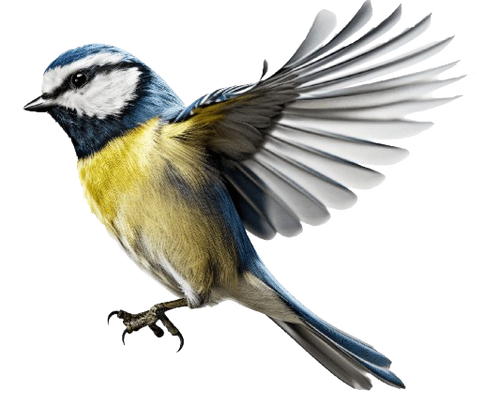
If you have one weekend to devote to birdwatching in Ontario, May is hard to beat. Warblers, vireos, thrushes and other migrants pour through the southern part of the province, and the trees are often still open enough to see them. But May is not the only month worth heading outside. Winter brings its own birds, summer rewards patient watching, and autumn can be superb for shorebirds, hawks and ducks.
The best month depends on where you live and what you hope to see. Southern Ontario warms earlier than the north, migration dates move with the weather, and individual species follow their own schedules. Use this calendar as a starting point rather than a promise of a particular bird on a particular day.
Quick answer: May is often the best month for spring songbird variety in southern Ontario. September and October are excellent for fall migration. Winter is rewarding for waterfowl and resident birds, especially where open water remains.

A Baltimore Oriole perched in a tree, one of the colourful songbirds birders watch for in spring.
Ontario birdwatching calendar: January to December
January: resident birds and open-water ducks
Look for Black-capped Chickadees, Northern Cardinals, woodpeckers and other hardy residents. Along unfrozen stretches of the Great Lakes, watch for diving ducks and other waterfowl. Winter finches and owls can be highlights in some years, but their presence varies.
Best approach: Try a sheltered woodland trail or an accessible lakeshore. Late morning may be more comfortable and productive on very cold days.
February: winter birds, with the first hints of spring
Feeders remain useful for watching chickadees, nuthatches and woodpeckers. Listen for more territorial calls as daylight grows, and keep an eye on open water for ducks and gulls. Early movement can begin in the far south during mild spells.
Best approach: Pick a short route you can repeat weekly. Changes become easier to notice when you know the usual winter residents.

A Northern Cardinal in a winter scene. Common resident birds can be rewarding to watch all season.
March: returning waterfowl and early migrants
March is a strong month for ducks, geese and swans moving through southern Ontario. American Robins and Red-winged Blackbirds become more conspicuous as conditions improve, though many robins can also spend winter here.
Best approach: Check wetlands, flooded fields and lake edges. A calm day following a thaw often brings rewarding movement.
April: migration gathers pace
Tree Swallows, sparrows, kinglets and early warblers arrive as insects and vegetation return. Migration can be uneven, with a chilly week followed by a sudden rush of birds.
Best approach: Visit wooded edges and wetlands at dawn. In southern Ontario, mid to late April can bring the first big songbird waves.
May: peak spring songbird birding
This is a standout month in southern Ontario for warblers, vireos, orioles, tanagers and thrushes. Point Pelee National Park is especially well known for May migration, but city ravines and neighbourhood parks can be excellent too.
Best approach: Arrive early, follow the songs, and look at eye level as well as high in the canopy. A light wind and favourable overnight migration can make a morning remarkable.
June: breeding birds and longer observations
Many migrants have settled into breeding territories. Listen for singing warblers, watch Tree Swallows over open areas, and look for nesting behaviour from a respectful distance. Not all birds seen at feeders use nest boxes, and not every bird nests near where it feeds.
Best approach: Early morning remains productive. Stay back from nests and avoid drawing attention to nesting sites.

An American Goldfinch in summer plumage.
July: quieter woods, lively wetlands
Birdsong usually eases as nesting progresses, but fledglings, swallows and wetland birds offer plenty to observe. Southbound movement can begin surprisingly early for some shorebird species.
Best approach: Watch the edges of ponds and marshes, and be patient with young birds learning to forage.
August: early fall migration
Shorebird migration continues, and some songbirds begin moving south. Young birds can look different from adults, so an identification guide with seasonal plumages is especially helpful.
Best approach: Search muddy shorelines, marsh edges and patches of shrubs. Early mornings are often best for small migrants.
September: shorebirds, warblers and hawks
Many warblers, vireos and thrushes travel south, while hawk migration becomes an important attraction. In the right conditions, broad-winged hawks can pass in groups, especially earlier in the month.
Best approach: Visit a shoreline or a known hawk-watch site. For raptors, late morning and afternoon can be better than dawn because rising air helps soaring birds travel.

A bird of prey in flight during the migration season.
October: raptors, sparrows and late migrants
October is excellent for sparrows, migrating hawks and many ducks. Cooler mornings can bring conspicuous movements along lakeshores and through hedgerows.
Best approach: Scan lake edges for waterfowl and woodland margins for sparrows. Wind direction can make a big difference to the day.
November: ducks and late-fall movement
As leaves fall, waterfowl become easier to spot on open water. Geese, diving ducks and occasional late migrants reward patient observers.
Best approach: Lakeshores and large wetlands are a good bet. Bring extra layers and expect exposed viewing areas to be windy.
December: winter routines begin again
Resident chickadees, nuthatches, cardinals and woodpeckers are easier to study against bare trees. Open-water sites can still hold impressive groups of ducks.
Best approach: Choose a dependable winter walk and keep records of what changes from week to week.
Best time of day to go birdwatching
For most songbirds, the first few hours after sunrise are a reliable starting point. They are active, calling and looking for food, and the light is often easier to work with. Late afternoon can also be worthwhile. There is an important exception: hawks and other soaring raptors often use warming air currents, so a mid-day watch can be far better than an early one.
Cloud, wind and recent weather changes may matter more than a clock time. A good morning after a night of migration can outperform a sunny afternoon, while strong winds sometimes push birds into sheltered woods or along shorelines.
Where to go in Ontario
Point Pelee National Park is a famous spring migration destination, especially in May. Rondeau Provincial Park, Presqu’ile Provincial Park and other lakeshore habitats also reward birders at different times of year. Toronto’s High Park offers fall hawk watching, while local wetlands, trails and even small urban parks can be productive close to home. Check seasonal access and local park rules before travelling.
In northern Ontario, the seasonal calendar runs later in spring and earlier in autumn, and habitats differ considerably. Use local sightings to adjust your expectations rather than applying southern Ontario dates directly.
What to bring for each season
You can start with the optics you already own, clothes suited to the weather and a way to record what you see. An identification guide helps most in spring and fall, when plumages and bird diversity can be confusing.
For year-round identification, Birds of Eastern Canada by DK, 3rd Edition provides photographs, distribution maps and seasonal variation details.

Birds of Eastern Canada by DK, 3rd Edition.
An illustrated alternative is The Sibley Field Guide to Birds of Eastern North America, particularly useful for comparing similar-looking species. One reliable guide is enough to begin.

The Sibley Field Guide to Birds of Eastern North America.
For shorebirds and distant waterfowl, extra magnification becomes more valuable. A scope is best for planned stops where you can set up steadily, while a small monocular is easier to carry on a casual walk.
The Vortex Crossfire HD 12–36x50 Angled Spotting Scope is one option for watching distant birds. See Urban Nature Store’s wider spotting-scope collection for other models.

Vortex Crossfire HD 12–36x50 Angled Spotting Scope.
For a lighter setup, the Vortex Solo 8x36 Monocular offers a compact way to get a closer view during short outings.

Vortex Solo 8x36 Monocular.
Compare additional options in the Urban Nature Store Spotting Scopes Collection.
A few habits that make every month better
Keep a small record of location, date, weather and species. Check recent reports before travelling, but allow time to enjoy common birds rather than chasing only rarities. Observe nests from a distance, remain on permitted trails and respect closures designed to protect wildlife.
Most importantly, return to the same place in different months. The value of a favourite local route becomes clearer when you watch how its birds change through the year.
Frequently asked questions
What is the single best month for birdwatching in Ontario?
May is often the best single month for spring songbird variety in southern Ontario. September and October can be equally rewarding if you enjoy migration, shorebirds or raptors.
Can you go birdwatching in Ontario in winter?
Yes. Resident songbirds, woodpeckers and waterfowl around open water can be excellent winter subjects. Dress for the conditions and keep outings manageable.
Is early morning always best?
Not for every bird. Dawn is a good choice for many songbirds, but migrating hawks may be easier to see later in the day as air currents develop.
Does this calendar work for northern Ontario?
It is a broad guide. Spring arrival and autumn departure dates shift with latitude, weather and habitat, so local sightings should guide your plans.
Make room for the season you have
May deserves its reputation, but a cold January lakeshore, a quiet July marsh and a crisp October hawk watch can be just as memorable. Choose a nearby place, go often and let the calendar help you decide where to look next.