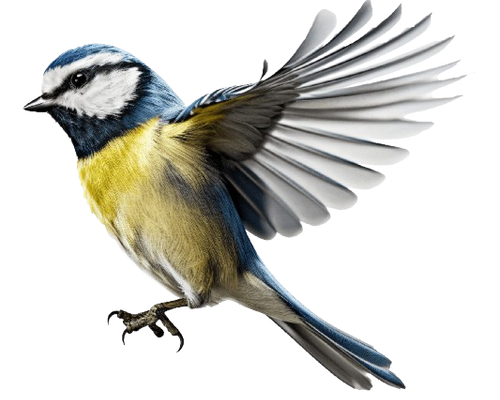
Today I was watering my plants (yes, even in January—don’t judge) when I heard that unmistakable sound overhead: the slow, laboured whoosh-whoosh of very large wings. I looked up just in time to see two extremely large Canada geese flying over my backyard. Not gracefully gliding like feathered ballerinas, mind you—this was more like a pair of sofas with wings, flapping with purpose and a bit of attitude. They looked down at me, I swear, as if to say, “Yes, we know it’s January. Mind your business.”
It got me thinking about large birds, especially Canada geese, and how they fly—and more importantly, why some of them seem to have completely ignored the memo about heading south.
First, let’s talk about how these big birds get airborne at all. Canada geese are not small creatures. They don’t just hop into the sky like chickadees. They need a running start, usually on water or open ground, flapping hard to generate lift. Once they’re up, though, they’re aerodynamic marvels. Their broad wings and strong chest muscles allow them to fly long distances, often at speeds of 65–80 km/h, and at altitudes that can exceed 9,000 metres during migration (although thankfully not over my backyard).
You’ve probably seen them flying in that classic V formation. That’s not just for show. Each bird benefits from the upwash created by the wings of the bird in front, saving energy. It’s teamwork at its finest—something we humans could learn from, especially in grocery store parking lots.
Traditionally, Canada geese begin heading south in late fall, usually October through November, depending on weather conditions. The key trigger isn’t cold—it’s food. When water freezes and grass becomes inaccessible, geese decide it’s time to pack their bags and head to warmer regions of the U.S.
So why are some still hanging around Toronto in early January?
Simple: urban life has changed the rules. Cities like Toronto offer open water (thanks to stormwater ponds and partially frozen lakes), abundant lawns, parks, golf courses, and—let’s be honest—people who are very generous with bread, despite being told repeatedly not to. For some geese, migration just doesn’t seem worth the effort anymore. Why fly hundreds of kilometres when the buffet is open year-round?
Of course, there may be other reasons. I’ve heard rumours that some geese are staying put because they’re worried they might not have the correct “Canadian ID” to cross the border. With all the paperwork involved, who can blame them? Better to stay home, complain about the weather, and honk loudly at passersby—very Canadian behaviour, really.
So next time you see a Canada goose in January, don’t assume it’s confused. It may simply be well-informed, well-fed, and fully committed to the urban lifestyle. And if it flies over your backyard while you’re watering plants in winter—just nod respectfully. You’re witnessing a seasoned local who knows exactly where it wants to be.
By Paul Oliver, Founder – Urban Nature Store
Paul’s Perch, www.UrbanNatureStore.ca