One of the questions I get asked quite often is, “What are the birds actually doing out there?” Or sometimes, “Why are they making so much noise all of a sudden?” It’s a great question—and one that I’ve been fascinated with since I was a kid. The longer you spend watching birds, the more you realize that your backyard isn’t just a quiet space with the occasional visitor. It’s actually a busy, active world full of communication, signals, and behaviour that—once you start to notice—completely changes the experience.
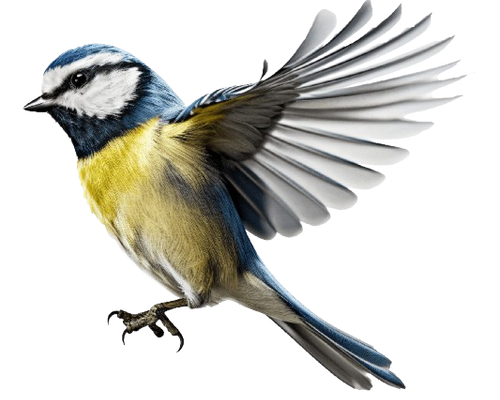
In a way, birds are always “talking” to us. We just need to learn how to listen. One of the easiest places to start is with bird calls. Most people think birds are simply singing, but a lot of what you’re hearing is actually communication. Take chickadees, for example. Their familiar “chick-a-dee-dee-dee” call isn’t just a song—it can actually signal a few things including danger, or letting their buddies know that the feeder has just been filled. It’s a remarkably sophisticated system for such a small bird.
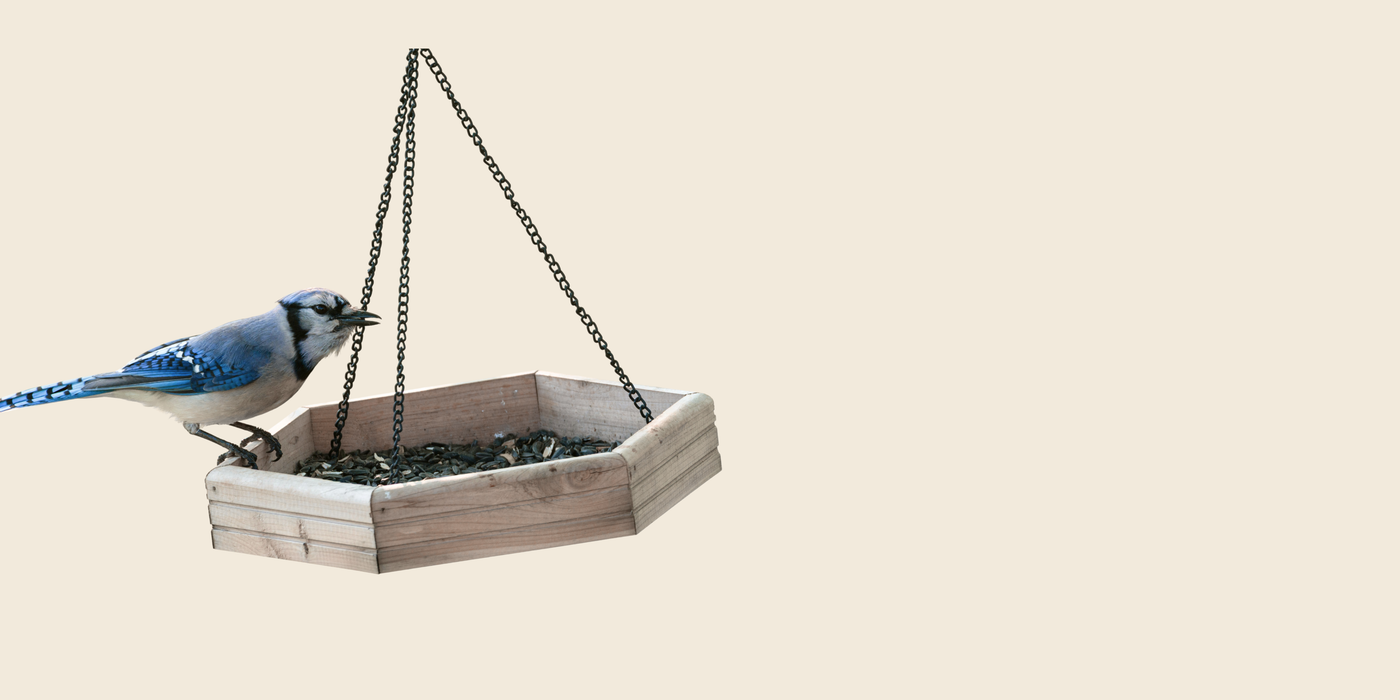
 Blue jays are another interesting one. They’re known for their loud calls, but they also have an impressive ability to mimic hawks. Sometimes that sudden “hawk” call that clears your feeders isn’t a hawk at all—it’s a blue jay creating a bit of space for itself.
 And then there are the quieter signals—the behaviours you notice if you spend a few minutes just watching. If birds are darting in and out quickly, it often means they don’t feel completely safe. Maybe there’s a predator nearby, or maybe your feeder is a little too exposed. I often suggest placing feeders about 10 to 12 feet from natural cover—close enough for birds to retreat quickly, but open enough that predators can’t easily hide.
On the other hand, when birds are lingering, feeding calmly, or even taking turns at the feeder, it’s a good sign that your setup is working. They feel comfortable. And that’s when you’ll start to see more natural behaviour.
Feeding patterns can also tell you a lot. If birds are picking through seed and tossing much of it aside, they’re telling you something pretty clearly—they’re not interested in everything you’re offering. That’s one of the reasons I’m such a big believer in high-quality, no-waste options like Sunflower Hearts. Because there are no shells and no filler, birds eat everything, and you’re not left with a mess underneath your feeder. It’s a simple change, but it makes a noticeable difference in both bird activity and cleanliness.
You’ll also start to notice routines. Birds are creatures of habit. Many will visit feeders at the same times each day, especially early in the morning and again later in the afternoon. Once they learn your yard is a reliable source of food, they build it into their daily routine. That consistency is something we can support just by keeping feeders filled and fresh.
Water is another important signal that often gets overlooked. I’ve seen many backyards where adding a simple birdbath suddenly doubles the activity. Birds don’t just need food—they need clean, accessible water for drinking and bathing. And in winter, an open water source can be one of the most valuable things you provide. That’s why we carry a range of birdbaths and heated options because water can be just as important as seed when it comes to attracting birds.
 Seasonal changes also bring new “messages.” In spring, you’ll hear more singing as birds establish territory and look for mates. It’s one of the most active and vocal times of the year. In fall, you might notice increased feeding as birds prepare for migration or colder weather. And in winter, feeding becomes more focused and essential—birds are conserving energy and relying on dependable food sources.
One of the things I enjoy most is how this all changes your relationship with your backyard. What starts as simply “feeding birds” becomes something more. You begin to recognize individual behaviours. You notice when something is different. You start to anticipate which birds will show up and when. And over time, it becomes less about just watching—and more about understanding.
I still get that same sense of curiosity I had as a kid. There’s always something new to notice, something small that you didn’t see before. And I think that’s part of what makes birding so rewarding. It slows you down. It gets you paying attention again.
So the next time you step outside—or even just look out the window—take a moment to really watch and listen. The birds in your backyard are constantly communicating. Once you start to pick up on those signals, the whole experience becomes richer, more engaging, and a lot more meaningful. And as always, if you’re looking to create a space that birds respond to—whether it’s better feeders, fresher seed, or adding water—you’ll find plenty of options and ideas at UrbanNatureStore.ca. You might be surprised by how much the birds have been trying to tell you all along.
By Paul Oliver - Founder of Urban Nature Store