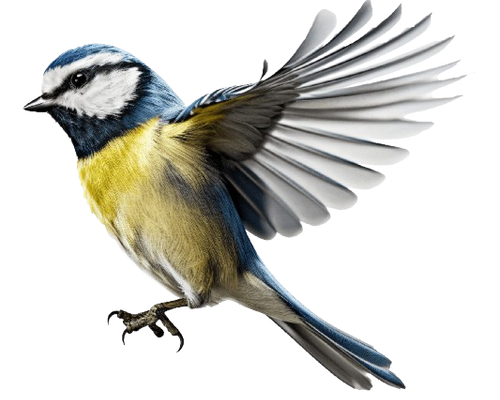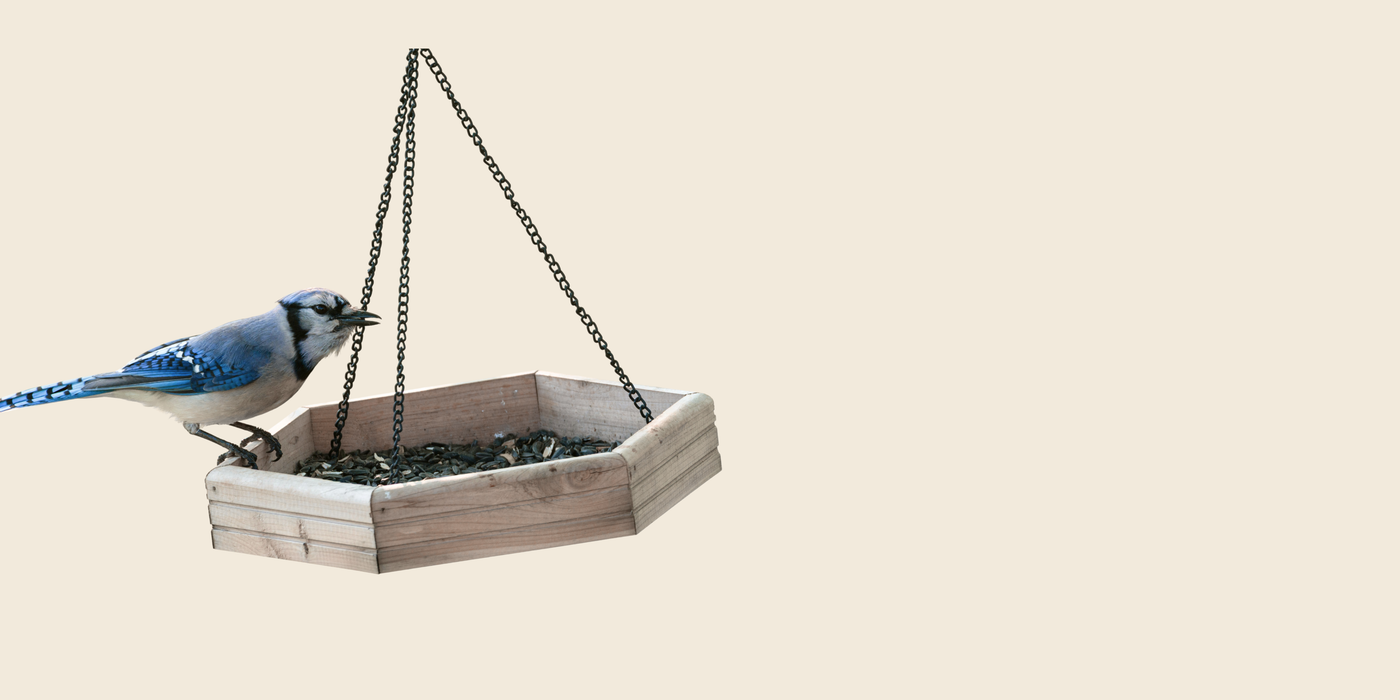
One of the questions I get asked most often is, “Paul, what do you feed the birds at your feeders?” It’s a great question, and over the years I’ve experimented with just about everything. Different seeds, different blends, specialty foods, seasonal foods — you name it. But after many years of feeding birds and watching what works best in real backyards, I keep coming back to one simple favourite: sunflower hearts.
If you’ve never tried sunflower hearts before, they are simply sunflower seeds with the shells removed. That might not sound revolutionary, but trust me, it makes a huge difference for both the birds and the people feeding them.
The biggest benefit of sunflower hearts is that there is absolutely no mess. Since the shells have already been removed, there are no seed husks falling under the feeder. Anyone who has fed traditional black oil sunflower seeds knows how quickly the ground beneath a feeder can become covered in shells. Over time that can create a mess, kill grass, and require regular clean-up.
With sunflower hearts, what you put in the feeder is almost entirely eaten by the birds. There’s nothing left behind.
 That also leads to another major advantage — there’s nothing on the ground attracting rodents like mice and rats. This is especially important for people feeding birds in urban and suburban neighbourhoods. Rodents are usually drawn to spilled seed and discarded shells accumulating under feeders. When there’s no waste falling to the ground, there’s very little to attract unwanted visitors.
For many people, this alone completely changes their bird feeding experience. You get to enjoy the birds without worrying about constantly cleaning underneath the feeder or attracting pests to the yard.
Another reason I love sunflower hearts is that nearly every backyard bird enjoys them. Chickadees, cardinals, nuthatches, woodpeckers, finches, jays — they all go for sunflower hearts. They are packed with energy-rich oils and protein that birds need year-round, especially during our Canadian winters and the busy nesting season in spring.
The birds also eat them quickly because they don’t have to spend time cracking shells open. The food is ready to eat immediately, which means less work for the birds and more efficient feeding.
Sunflower hearts work exceptionally well in my favourite feeders too — the Squirrel Buster Plus and the Squirrel Buster Standard. I’ve used these feeders for years and continue to recommend them because they truly work. The feeders are designed to keep squirrels out while still allowing birds to feed comfortably.
Anyone who feeds birds regularly knows the frustration squirrels can cause. They empty feeders quickly, scatter seed everywhere, and often damage feeders in the process. I’d much rather put out rich, nutritious food for the birds instead of funding the local squirrel buffet.
That’s where the Squirrel Buster feeders really shine. Combined with sunflower hearts, they create an incredibly clean and efficient feeding system. The birds get high-quality food, the squirrels are kept at bay, and there’s virtually no mess underneath. It’s honestly one of the simplest ways to make bird feeding easier and more enjoyable.
I also often use the Happy Garden blend at my feeders. I like it because it adds a little more variety to the menu while still keeping things clean and nutritious. Happy Garden includes sunflower hearts along with deshelled peanuts and cranberries, which many birds absolutely love.
The added peanuts provide extra protein and fat, especially valuable during colder weather, while the cranberries add another interesting food source that attracts a wider variety of birds. It’s a premium blend that offers excellent nutrition without the waste associated with many cheaper seed mixes filled with filler ingredients.
One thing I always encourage people to avoid is inexpensive seed mixes packed with milo, wheat, or cracked corn. A lot of that ends up on the ground because many songbirds simply don’t eat it. Once again, spilled seed creates mess and can attract rodents. Good bird feeding really comes down to offering foods birds actually want to eat.
Another question I’m often asked is about Nyjer seed for finches. I do occasionally use Nyjer in my finch feeders because goldfinches and other small finches certainly enjoy it. However, Nyjer can be a little inconsistent.
Most Nyjer seed travels a very long distance before reaching our feeders, with much of it imported from Ethiopia and China. Because of that long supply chain, the freshness and nutritional value can vary quite a bit. Sometimes the birds flock to it, and other times they seem far less interested.
Over the years, I’ve actually found a great alternative: finely chopped sunflower hearts.
I use them in my finch feeders quite often now, and the finches absolutely love them. The chopped sunflower hearts flow well through finch feeders, provide excellent nutrition, and once again create almost no mess. Since there are no shells, there’s nothing accumulating underneath the feeders. For many people, this can be a much more reliable and cleaner option than traditional Nyjer seed.
One thing I’ve learned over decades of feeding birds is that simplicity usually works best. High-quality food, clean feeders, and consistency will attract more birds than the biggest or fanciest setup. Bird feeding should be enjoyable, not a chore.
That’s why sunflower hearts remain the foundation of my feeding routine. They’re clean, nutritious, attractive to a huge variety of birds, and they help eliminate many of the common frustrations people experience with bird feeding.
If someone is just getting started feeding birds and asks me for one recommendation, sunflower hearts are almost always where I tell them to begin.
Pair them with a quality squirrel-proof feeder like the Squirrel Buster Plus or Squirrel Buster Standard, and you’ve already solved most of the challenges people encounter with backyard bird feeding.
The result is simple: more birds, less waste, fewer squirrels, and a cleaner backyard.And really, that means more time enjoying the birds — which is the whole point in the first place.
Cheers to good feeding.
Paul Oliver
Founder of Urban Nature Store