By Paul Oliver, Founder of Urban Nature Store
As summer gives way to fall, our backyards begin to change. The days get shorter, the leaves start falling, and the birds that entertained us all summer are either preparing to head south or getting ready to tough out another Canadian winter.
For bird lovers in Southern Ontario, fall is an exciting time. We may see migrating warblers, travelling sparrows, finches and other seasonal visitors, while our familiar cardinals, chickadees and woodpeckers begin preparing for colder weather.
One question I hear regularly at Urban Nature Store is, "What should I feed birds in the fall to help them prepare for winter?"
My answer is straightforward: provide high-quality, energy-rich food, fresh water and a safe backyard habitat. However, there is an important distinction between helping migrating birds fuel their journeys and helping local birds survive the winter.
Let's look at how you can make your backyard a welcoming stopover for fall migrants and a valuable resource for the birds that stay.
Why Is Fall So Important for Wild Birds?
Migration is one of the most demanding activities in a bird's life. Many species travel hundreds or even thousands of kilometres between their breeding grounds and wintering areas.
Before departing, migrating birds need to build up energy reserves to fuel their journeys. Along the way, they need places to rest, find food and recover before continuing south.
Meanwhile, birds that remain in Southern Ontario face their own challenges. Shorter days mean less time to find food, while freezing temperatures increase the energy required to maintain body heat.
This is why fall is an excellent time to establish good bird-feeding habits.
The goal isn't to make every bird dependent on your feeders. It's to supplement natural food sources and provide reliable nutrition when birds need it.
And if you enjoy watching birds, there's an added benefit: fall can bring some wonderful visitors to your backyard!
What Is the Best Birdseed for Fall Migration?
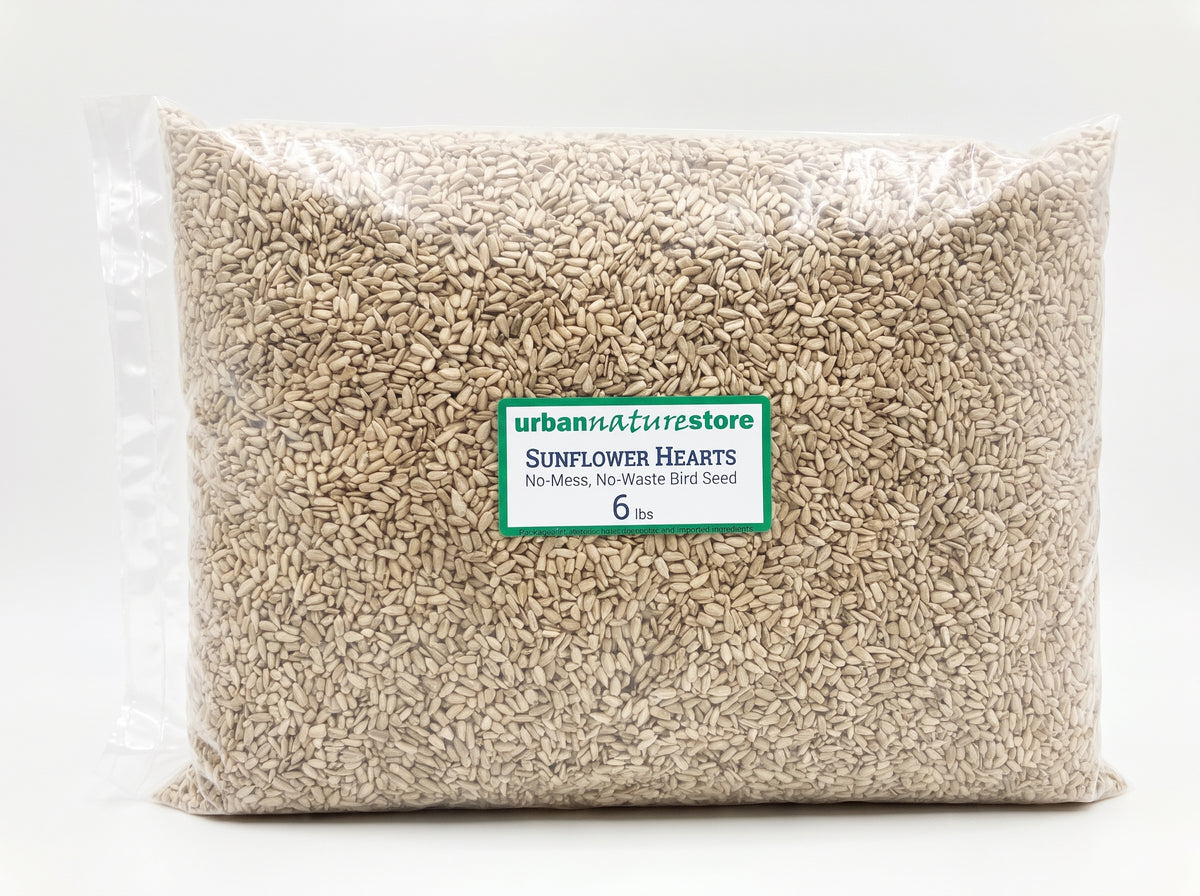
If I could recommend one food to get started, it would be premium sunflower hearts.
These shelled sunflower seeds are rich in fats and provide birds with a concentrated source of energy. Because the shells have already been removed, birds can eat the nutritious kernels without spending time cracking them open.
There are several advantages to feeding sunflower hearts in the fall:
- High energy: The fat content helps provide energy for daily activities, cold-weather survival and migration.
- No discarded shells: You won't have piles of sunflower shells accumulating beneath your feeders.
- Less waste: Many popular seed-eating birds readily consume sunflower hearts, reducing the uneaten filler often found in inexpensive seed mixes.
- Broad appeal: Cardinals, chickadees, nuthatches, finches, woodpeckers and other familiar backyard birds enjoy them.
Quality matters. Some inexpensive birdseed mixes contain substantial amounts of grains that many backyard visitors may ignore. You can end up paying for seed that gets tossed onto the ground rather than eaten.
At Urban Nature Store, we recommend choosing quality seed suited to the birds you want to attract.
Looking for a simple way to improve your fall feeding station? Explore premium sunflower hearts and other quality wild birdseed at UrbanNatureStore.ca.
Of course, sunflower hearts aren't the only suitable food. Black oil sunflower seeds, safflower and other seeds can also be useful, depending on the birds visiting your backyard.
The best choice depends on your local bird population, feeder design and feeding goals.
How to Help Birds Build Energy Before Migration
Migrating birds need to accumulate sufficient energy for their journeys. In the weeks before migration, many species increase their food intake and build fat reserves.
However, not every migrating bird eats seeds.
Many warblers, flycatchers and other insect-eating migrants depend heavily on caterpillars, flies, spiders and other invertebrates. Filling your feeders with sunflower seeds won't provide these birds with everything they need.
Here are three practical ways to help.
1. Keep Quality Birdseed Available
For seed-eating species, maintain clean feeders stocked with appropriate food.
Sunflower hearts are an excellent option for many familiar backyard birds. Position feeders where birds can find them easily and where you can monitor feeding activity.
If you're establishing a new feeding station, a quality feeder such as a Squirrel Buster can help restrict squirrel access while allowing birds to feed. Depending on the size of feeder you're looking for, Squirrel Buster feeders come in many sizes including the Squirrel Buster Standard, Legacy, Evolution, and Plus.

Squirrels are remarkably athletic creatures, so no feeder should be considered completely immune to every determined squirrel. Proper placement and a suitable baffle can improve your chances of success. Baffles also come in different sizes and styles. Popular models include the wrap-around cone baffle, torpedo baffle and hanging baffle.
2. Preserve Natural Food Sources
Avoid rushing to tidy every corner of your garden.
Seed heads, native grasses, berry-producing shrubs and leaf litter can provide food and shelter for wildlife.
Native plants are particularly valuable because they support insects that many birds depend on. Leaving some seed heads standing into fall also gives seed-eating birds another natural food source.
A perfectly manicured garden may look tidy, but a slightly more natural backyard can be much more welcoming to wildlife.
3. Provide Water Along the Way
Migrating birds need water for drinking and bathing, and a clean birdbath can attract species that rarely visit feeders. Birdbaths come in many varieties and colours such as the Armstrong Birdbath, Stone Rezin.

Keep water fresh, clean the bath regularly and consider a Water Wiggler or the Armstrong Solar Fountain Pump to create movement.
As temperatures fall, a thermostatically controlled birdbath heater can help maintain access to open water during freezing weather. Always use equipment designed specifically for outdoor birdbaths and follow the manufacturer's safety instructions.
For birdbath accessories, fountains and other bird-feeding essentials, visit UrbanNatureStore.ca.
Paul Oliver
Founder, Urban Nature Store
Related Reading
For more advice on fall migration, winter bird feeding and preparing your backyard for colder weather, explore our Bird Migration in Southern Ontario: When, Which Birds & How to Help, The Complete Guide to Winter Bird Feeding: How to Help Our Wild Birds Survive and Thrive Through a Canadian Winter, and Fall Changes.