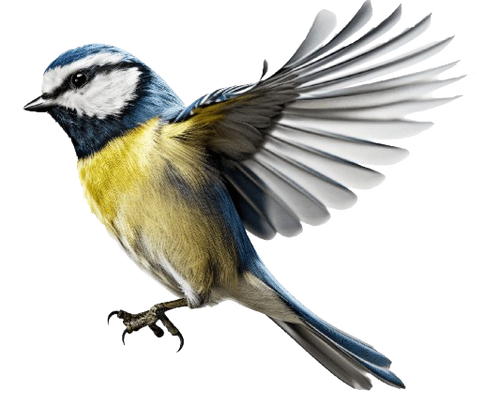
A lively feeder can turn frustrating when Common Grackles, European Starlings or Rock Pigeons begin arriving first, eating fast and leaving little behind for chickadees, finches, nuthatches and woodpeckers. It is a common backyard problem in Ontario, especially in spring and summer when grackles and starlings travel in groups and learn quickly where food is easy to get.
The goal is not to punish those birds or chase every larger visitor out of the yard. The better approach is to make your feeding station less convenient for them and more comfortable for the birds you want to support. Feeder choice, seed choice, placement and cleanup all matter, and small changes often make a noticeable difference.

A Common Grackle can dominate a feeder quickly when food is easy to reach.
Why these birds take over so easily
Grackles, starlings and pigeons are opportunistic feeders. They are bold, adaptable and comfortable feeding in groups. If a station offers broad perches, open trays, seed on the ground and food that is available all day, those birds can crowd in and keep smaller songbirds away.
They also exploit different parts of the same setup. Grackles may overpower tube feeders or pull food from open ports. Starlings often target suet and soft foods. Pigeons and other heavy ground feeders clean up what falls below. That is why a single fix rarely solves the whole problem. It usually takes a few coordinated changes.
1. Start with feeders that limit access
Changing the feeder often matters more than changing the food. If larger birds can land comfortably and feed in a relaxed way, they will keep coming back. A feeder that narrows the access point or reacts to heavier birds can shift the balance back toward smaller species.
If you want to protect a favourite feeder, the Wire Cage, 13 Inch is worth considering. The outer cage helps smaller birds slip through while making it harder for larger birds such as grackles and starlings to reach the food inside. Before buying, check that the feeder you plan to use fits the cage properly.

Wire Cage, 13 Inch.
For seed feeders, the Brome Squirrel Buster Plus Bird Feeder can also help. Its adjustable weight mechanism can be set so heavier birds trigger the ports to close. That feature is often discussed for squirrels, but it can also reduce pressure from grackles when the feeder is adjusted carefully. Test the setting until smaller birds can still feed comfortably.

Brome Squirrel Buster Plus Bird Feeder.

A narrower feeder profile exposes less food and gives large birds fewer easy places to feed.
2. Make starlings work harder for suet
Starlings can empty a standard suet cage in short order, especially in cold weather when suet is in high demand. One of the simplest changes is to use a feeder that favours clinging birds such as chickadees, nuthatches and woodpeckers.
The Suet Saver Feeder is designed with that in mind. Smaller birds can cling and feed upside down, while many starlings find that position awkward. It does not make suet invisible, but it often slows starling traffic enough for the intended birds to get a fair share.

Suet Saver Feeder.
To stock it, a cake such as Summer Nut Suet gives woodpeckers, nuthatches and chickadees a rich, energy-dense food source. Use it inside a feeder that limits access, and keep an eye on how your local birds respond. If starlings still manage to monopolize it, offer smaller amounts and refill more often instead of leaving a large supply exposed all day.

Summer Nut Suet.
3. Offer seed that many grackles and pigeons do not prefer
Food choice matters, though it works best alongside feeder changes. Black-oil sunflower, mixed seed and cracked corn are easy wins for large flocks. Safflower is often a better direction when you want to keep cardinals, chickadees and some finches interested while making the station less appealing to grackles.
Urban Nature Store’s Safflower is the cleanest example. Many cardinals take to it quickly, and House Sparrows, grackles and pigeons are often less enthusiastic. That said, birds vary by neighbourhood, and determined visitors may still sample it. Treat safflower as a useful filter, not a perfect barrier.

Safflower birdseed.
4. Stop feeding the ground by accident
A large part of the pigeon problem happens below the feeder. Pigeons are comfortable on patios, lawns, driveways and open ground. If seed is spilling steadily, they do not need to use the feeder itself. They can simply wait underneath and clean up what everyone else drops.
Use feeders that shed less waste, avoid overfilling and rake or sweep up spilled seed regularly. If pigeons are showing up in numbers, open tray feeders and broad platforms may need to be used less often or removed for a while. That does not mean you need to stop feeding entirely. It means the station has to stop acting like an all-you-can-eat ground buffet.

When access is controlled, smaller songbirds can use a feeding area with less pressure from larger birds.
5. Adjust where and when you feed
Placement can help. Hang feeders a little away from railings, fences and broad landing surfaces where grackles and pigeons can gather. Give smaller birds nearby cover, but not a direct launch pad onto the feeder. Keep the ground beneath the station open enough that you can see when seed is accumulating.
Timing helps too. Offer only the amount of food birds are likely to finish during the day, especially when nuisance flocks are active. A feeder that is packed from morning to night invites repeat visits. A feeder that is refreshed in sensible amounts gives you more control.
6. Expect seasonal swings
Some people notice that grackles are intense in spring and early summer, then less troublesome later on. Starlings can surge during cold weather or when family groups begin foraging together. Pigeons are often most persistent where there is regular spillage and open space to land. Those swings matter because they affect how strict you need to be.
You may be able to use a wider range of feeders in winter, then switch to more selective feeders during the months when larger flocks are most aggressive. It is normal to adjust the setup through the year rather than keeping one fixed plan.
What to avoid
- Do not use harmful deterrents, sticky substances or anything that can injure birds.
- Do not put out large amounts of mixed seed and hope the smaller birds get there first.
- Do not keep refilling a feeder that is being emptied by the wrong birds in a few hours.
- Do not ignore the ground below the feeder. A clean feeding area solves more problems than people expect.
A practical combination that works for many Ontario backyards
If your goal is to keep feeding smaller songbirds without constant takeovers, a sensible combination is a weight-sensitive seed feeder, a caged feeder or both, plus a shift toward safflower and a more selective suet setup. You do not need every product at once. Start with the issue causing the most trouble. If grackles are dominating the tube feeder, change that feeder first. If starlings are stripping the suet, fix the suet setup first. If pigeons are gathering below, tackle the seed on the ground before anything else.
Frequently asked questions
Will safflower stop grackles completely?
No. It often helps, but no seed excludes every large bird in every yard. Think of it as a way to reduce interest, not eliminate it.
Are pigeons using the feeder, or just the ground?
Often both, but spilled seed is usually the bigger draw. If pigeons are becoming a daily problem, inspect the ground before you blame the feeder alone.
Can starlings learn to use upside-down suet feeders?
Some can, especially if they are persistent. Even so, many backyards see a clear improvement when they switch from a standard suet cage to a more selective design.
Should I stop feeding altogether?
Not usually. Most of the time, a better feeder, different food and better clean up are enough. A short pause can help if a large flock has become established and every other change is being ignored.
Keep the welcome mat out for the right birds
A feeder does not have to be open to every bird in equal measure. When grackles, starlings and pigeons begin taking over, the answer is to make the station more selective and less wasteful. That keeps the food available for the birds you are trying to support, and it keeps the whole feeding area calmer and easier to manage.
For related reading, Urban Nature Store also has useful background in Solutions for Keeping Bully Birds Away from Your Feeders and The Return of the Grackles.